Flexibility and joint mobility are essential for pain-free, efficient movement. Whether yo…

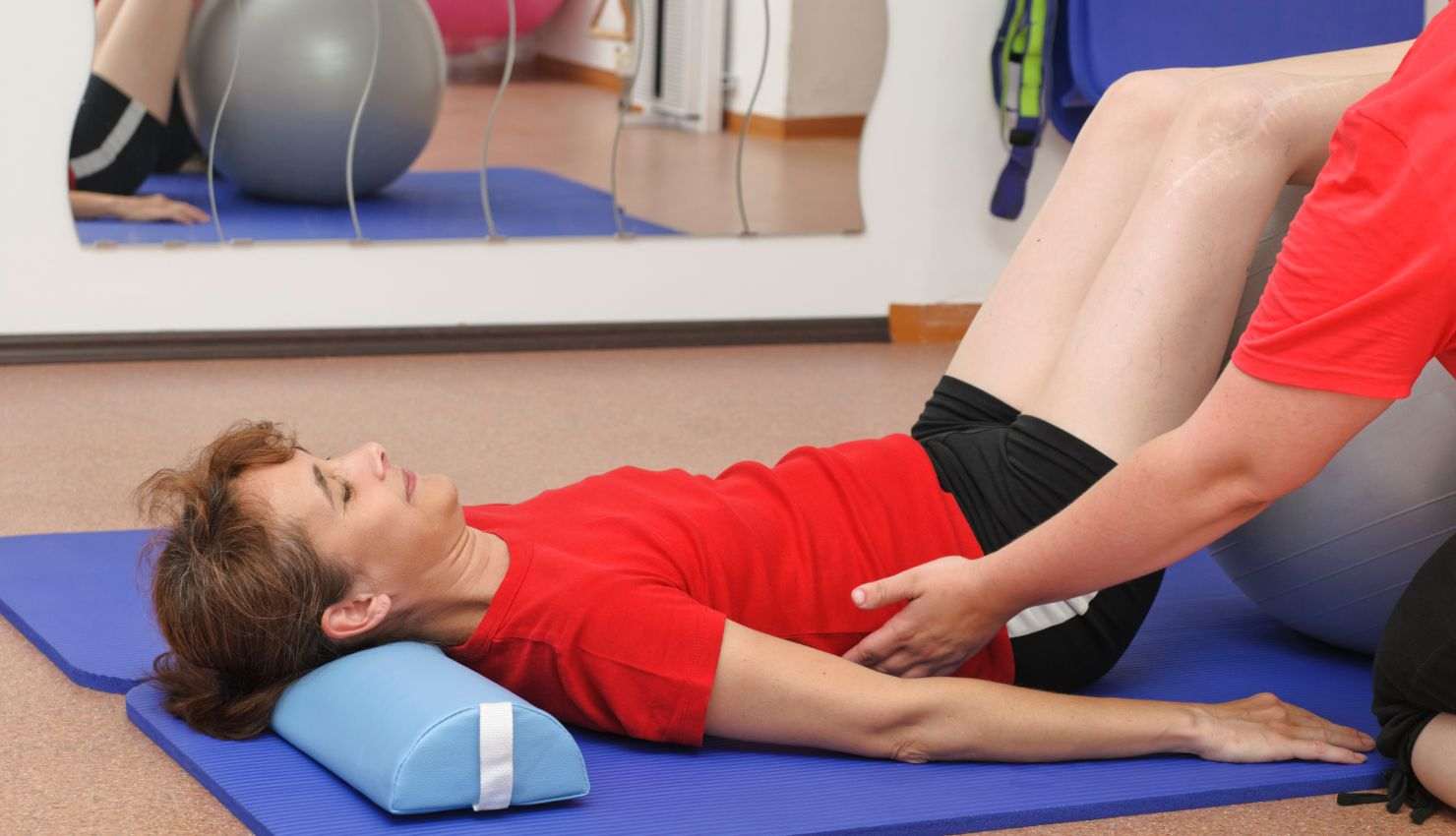
Flexibility and joint mobility are essential for pain-free, efficient movement. Whether you’re recovering from an injury, managing a chronic condition, or simply looking to move better, movement therapy can be a powerful tool. It goes beyond static stretchingfocusing on active, functional, and mindful movement patterns that restore natural mobility, improve tissue quality, and enhance overall range of motion.
Understanding Flexibility vs. Mobility
Flexibility refers to the ability of muscles and connective tissues to lengthen.
Mobility involves the full range of motion of a joint, influenced by flexibility, motor control, and joint structure.
Good mobility = flexible muscles + strong, stable joints + coordinated neuromuscular control.
How Movement Therapy Improves Flexibility and Mobility
Movement therapy supports flexibility and mobility by:
Enhancing neuromuscular communication (brain-body connection)
Stimulating synovial fluid production for joint lubrication
Releasing myofascial tension and adhesions
Strengthening stabilizing muscles around joints
Encouraging body awareness and proper alignment
Its dynamic, functional, and often tailored to individual needs.
Key Techniques Used in Movement Therapy
1. Dynamic Stretching and Mobility Drills
Involves active movement through a full range of motion.
Examples:
Arm circles, leg swings, spinal rotations
Deep lunges with a twist
Shoulder rolls and hip openers
Benefit: Warms up tissues and prepares joints for activity.
2. Proprioceptive Neuromuscular Facilitation (PNF)
Combines stretching and muscle activation.
Example:
Stretch-hold-contract-release methods (e.g., contract hamstrings, then stretch further)
Benefit: Increases stretch tolerance and improves flexibility faster.
3. Myofascial Release and Somatic Movement
Releases tight fascia and improves movement flow.
Examples:
Foam rolling, gentle rocking, or rolling exercises
Feldenkrais-inspired slow, explorative movements
Breath-coordinated motion
Benefit: Releases chronic tension and restores glide in tissues.
4. Joint Mobility Circles and Controlled Articular Rotations (CARs)
Isolated joint movements to maintain and improve range of motion.
Examples:
Shoulder, hip, neck, and wrist circles
Ankle pumps and toe fans
Controlled spinal segmentation (cat-cow, spinal waves)
Benefit: Enhances joint health and prevents stiffness.
5. Integrated Functional Movement
Links mobility with real-life motion patterns.
Examples:
Squatting with reach
Crawling, lunging, or rolling transitions
Yoga flow or Tai Chi sequences
Benefit: Teaches the body to move fluidly and efficiently in daily life.
Sample Movement Therapy Routine for Flexibility & Mobility (1520 Minutes)
Warm-Up (3 min):
March in place, arm circles, spinal rolls
Dynamic Flow (5 min):
Lunge with twist
Shoulder and hip mobility drills
Standing spinal rotations
Deep Stretch & Control (5 min):
PNF hamstring stretch
Seated spinal twist
Childs pose with side reach
Joint Circles (3 min):
Controlled ankle, hip, wrist, and neck circles
Cool Down (34 min):
Gentle floor movements and diaphragmatic breathing
Who Can Benefit from This Approach?
Movement therapy for mobility and flexibility is ideal for:
Athletes and dancers
Office workers and sedentary individuals
Seniors experiencing stiffness
People with arthritis or joint pain
Post-injury rehabilitation
Anyone seeking better body movement and posture
Benefits of Improved Flexibility and Mobility
Reduced muscle and joint stiffness
Improved posture and body alignment
Better performance in sports and daily tasks
Lower risk of injury and falls
Enhanced circulation and joint health
Increased sense of physical confidence and freedom
Conclusion
Movement therapy offers a gentle yet highly effective path to improving flexibility and joint mobility. By combining dynamic movement, body awareness, and muscle control, it not only helps you move better but also feel better. Whether you’re overcoming stiffness or simply enhancing your physical potential, movement therapy supports long-term joint health and whole-body vitality.