Poor posture and misalignment dont just affect how a person looksthey can cause muscle i…

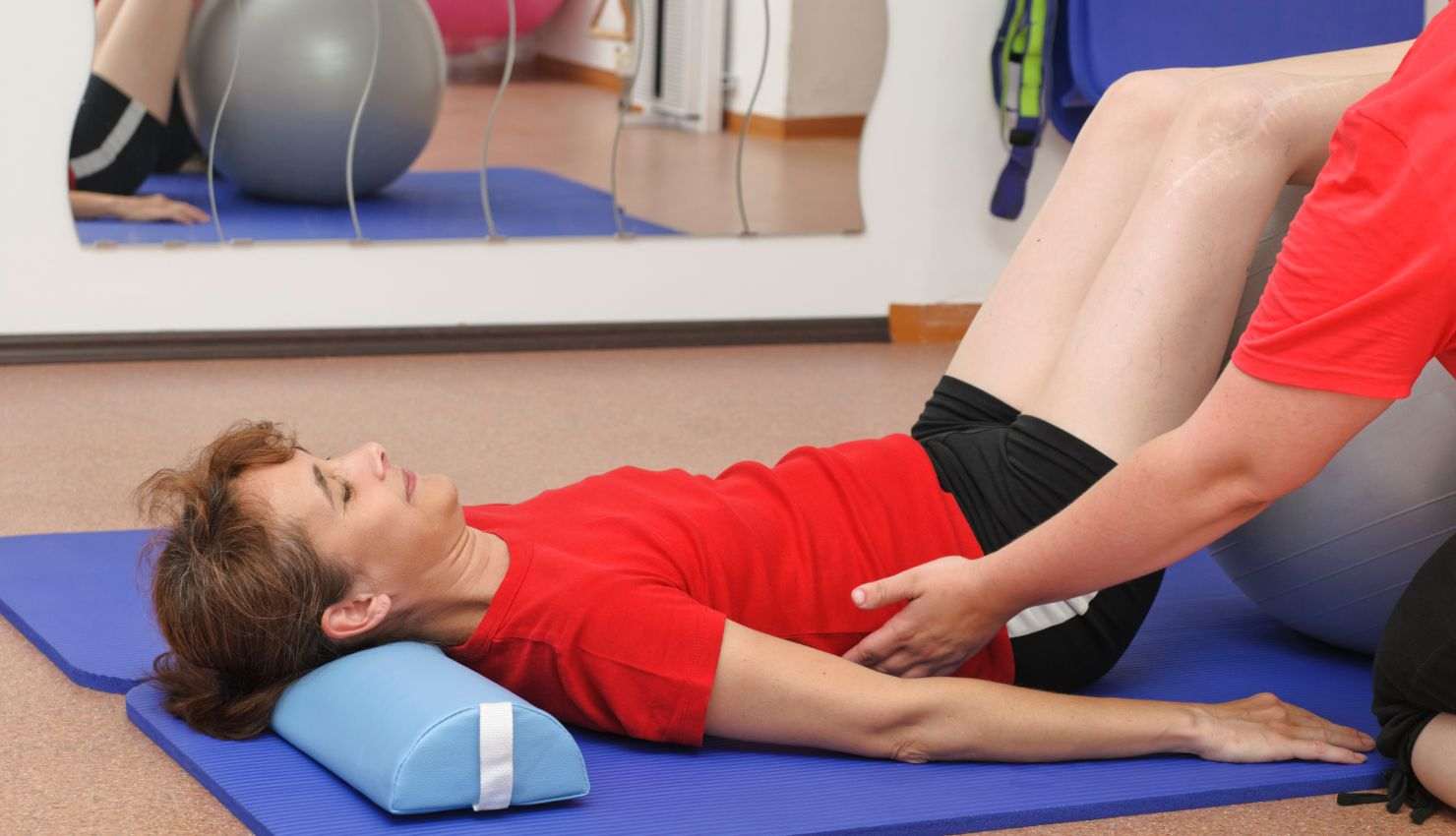
Poor posture and misalignment dont just affect how a person looksthey can cause muscle imbalances, joint strain, chronic pain, and decreased athletic performance. Movement therapy offers a structured, holistic approach to correcting postural issues by improving mobility, muscular coordination, and body awareness. By restoring natural alignment and movement patterns, it supports a strong, balanced musculoskeletal system.
? How Movement Therapy Improves Posture and Alignment
1. Identifying Postural Imbalances
Movement therapists begin with postural and movement assessments to identify:
Forward head posture
Rounded shoulders
Pelvic tilt (anterior or posterior)
Spinal deviations (e.g., kyphosis, scoliosis)
Leg length discrepancies or foot arch issues
?? This forms the foundation for a personalized correction plan.
2. Releasing Tight and Overactive Muscles
Poor posture often results from (or causes) chronically tight muscleslike:
Pectorals in rounded shoulders
Hip flexors in anterior pelvic tilt
Upper trapezius and neck muscles in forward head posture
Techniques used:
Myofascial release
Trigger point therapy
Static and dynamic stretching
?? Releases tension and allows the body to return to neutral alignment.
3. Strengthening Weak or Underactive Muscles
Movement therapy strengthens muscles that support good posture, including:
Deep core stabilizers (transverse abdominis, multifidus)
Lower and middle trapezius
Glutes and hamstrings
Cervical extensors
?? Corrects muscular imbalances and supports upright, aligned posture.
4. Improving Spinal Mobility and Joint Alignment
A stiff thoracic spine or locked pelvis can cause compensatory movements. Movement therapy enhances spinal and joint mobility using:
Spinal mobilizations
Cat-cow, thoracic rotations, and hip circles
Pelvic tilting and pelvic clock exercises
?? Supports smoother, more natural movement and upright posture.
5. Retraining Functional Movement Patterns
Movement therapy includes functional movement retraining to:
Reinforce correct posture during everyday tasks (e.g., sitting, walking, lifting)
Teach proper biomechanics for sport or occupational movements
Integrate posture into dynamic actions (e.g., running, squatting, reaching)
?? Develops sustainable posture habits over time.
6. Enhancing Body Awareness (Proprioception)
People with poor posture often dont notice misalignments. Movement therapy builds awareness through:
Mirror feedback
Floor-based movement exercises (e.g., Feldenkrais method)
Breathwork and mindfulness-based alignment cues
?? Helps individuals recognize and self-correct poor posture throughout the day.
?? Key Posture-Correcting Movement Therapy Techniques
Technique Focus Area Effect
Myofascial release Chest, neck, hips Reduces tension pulling posture out of alignment
Core activation drills Abdomen, lumbar spine Builds trunk stability
Thoracic mobility exercises Mid-back Allows upright posture and shoulder freedom
Scapular retraction work Upper back Corrects rounded shoulders
Hip and pelvic mobility Hips, pelvis Aligns spine and lower body
Wall posture drills Whole body Reinforces vertical alignment and head position
????? Postural Conditions Helped by Movement Therapy
Forward head and tech neck
Rounded shoulders (kyphosis)
Swayback posture
Lordosis (exaggerated lumbar curve)
Flat back
Pelvic tilt
Scoliosis (mild cases)