As adults age, declines in muscle strength, joint mobility, and coordination can significa…

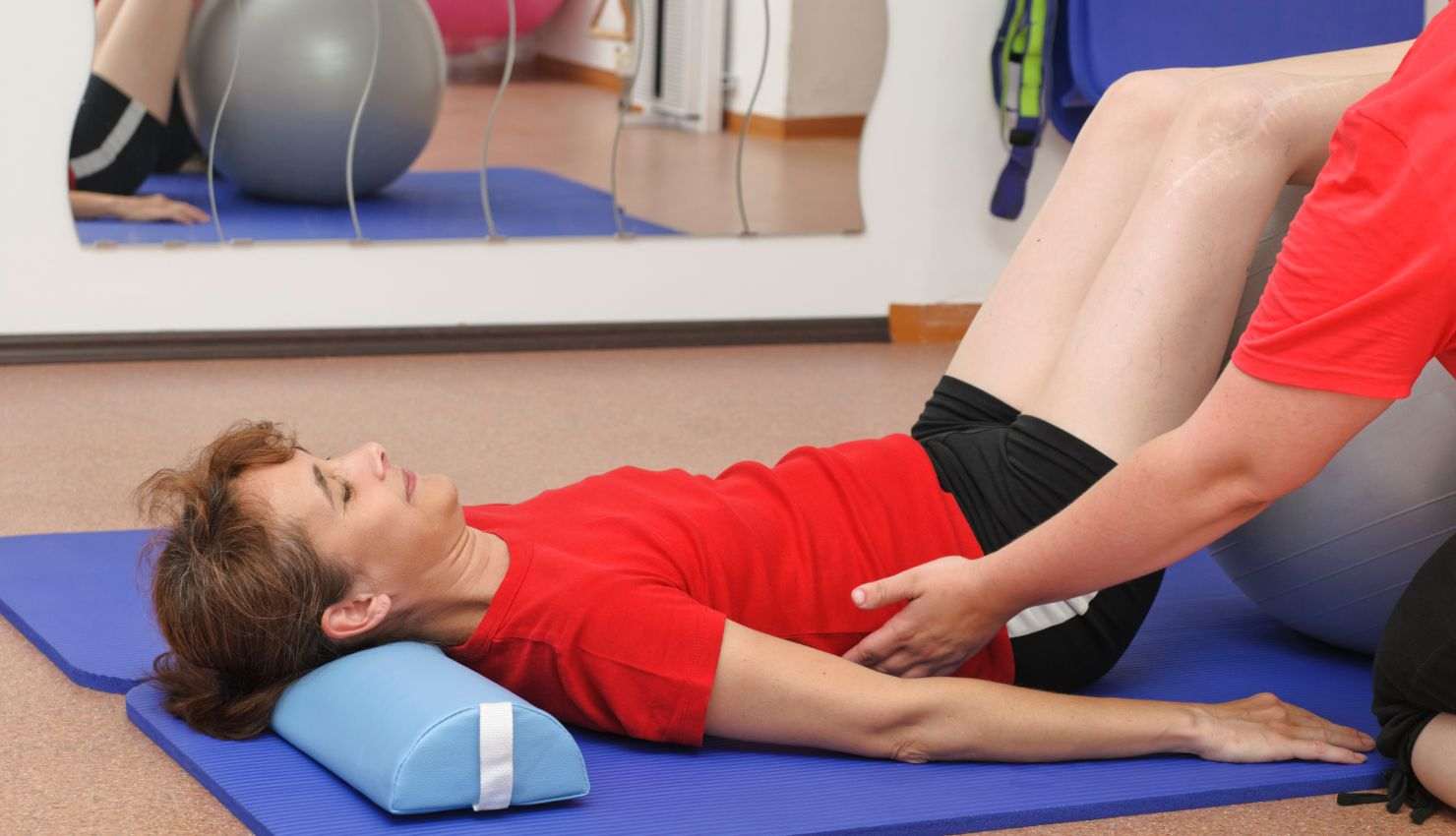
As adults age, declines in muscle strength, joint mobility, and coordination can significantly impact balance and posture, increasing the risk of falls and limiting independence. Movement therapy offers a safe, structured approach to address these challenges by enhancing neuromuscular control, core stability, and body alignment through targeted, functional exercises.
Why Movement Therapy is Essential for Older Adults
Reduces Fall Risk
By improving proprioception, stability, and muscle control, movement therapy strengthens the bodys ability to react to balance disturbances and uneven surfaces.
Enhances Postural Alignment
Age-related postural issues such as kyphosis (hunched back), forward head posture, and rounded shoulders can be improved through movement therapy that targets spinal mobility and muscular balance.
Improves Confidence in Movement
Regular guided movement sessions help older adults feel safer and more capable during daily activities like walking, reaching, and climbing stairs.
Preserves Independence
Improved posture and balance reduce reliance on assistive devices and caregivers, supporting better quality of life and self-sufficiency.
Common Postural and Balance Issues in Older Adults
Forward head and rounded shoulders
Weak core and gluteal muscles
Reduced ankle and hip mobility
Poor proprioception and delayed reaction time
Muscle tightness and compensatory movement patterns
Effective Movement Therapy Techniques for Balance and Posture
? Core Stability and Trunk Control
Seated pelvic tilts
Standing marches with core engagement
Bird dogs (modified for safety)
Wall-supported planks
? Postural Re-education
Wall angels
Chin tucks and cervical retractions
Scapular retraction exercises with bands
Thoracic spine extensions over a chair or foam roller
? Balance Training
Heel-to-toe walking (tandem gait)
Single-leg stands (with support nearby)
Weight shifts side-to-side or front-to-back
Step-up exercises on low platforms
? Mobility and Flexibility
Ankle circles and heel raises
Hip openers and seated knee lifts
Chest and shoulder stretches
Gentle spinal twists while seated
? Functional Movement Integration
Sit-to-stand repetitions from a sturdy chair
Reach-and-grab tasks with stability focus
Turning and pivoting drills
Carrying light objects with upright posture
Tips for Safe and Effective Implementation
Begin with a physical assessment to identify limitations and asymmetries.
Supervise sessions, especially when introducing balance challenges.
Progress graduallyincrease difficulty only when the current level is mastered.
Use stable surfaces and support props (e.g., chairs, walls, balance rails).
Encourage barefoot or minimal shoe training to enhance foot proprioception, when safe.
Incorporate breathing and mindfulness to improve movement awareness and reduce anxiety.
Recommended Session Structure (3045 Minutes)
Warm-up (510 mins): Marching in place, shoulder rolls, ankle pumps
Mobility & Stretching (510 mins): Focus on spine, hips, and shoulders
Core and Postural Training (10 mins): Target core and upper back strength
Balance and Functional Movement (1015 mins): Static and dynamic exercises
Cool-down and Relaxation (5 mins): Deep breathing, gentle stretches
Benefits Reported by Older Adults Using Movement Therapy
Improved ability to stand and walk confidently
Fewer episodes of imbalance or stumbling
Reduced back and neck discomfort
Easier performance of daily activities (cooking, dressing, gardening)
Enhanced mood and energy levels