Movement therapy goes far beyond injury rehabilitationits a holistic practice that enhan…

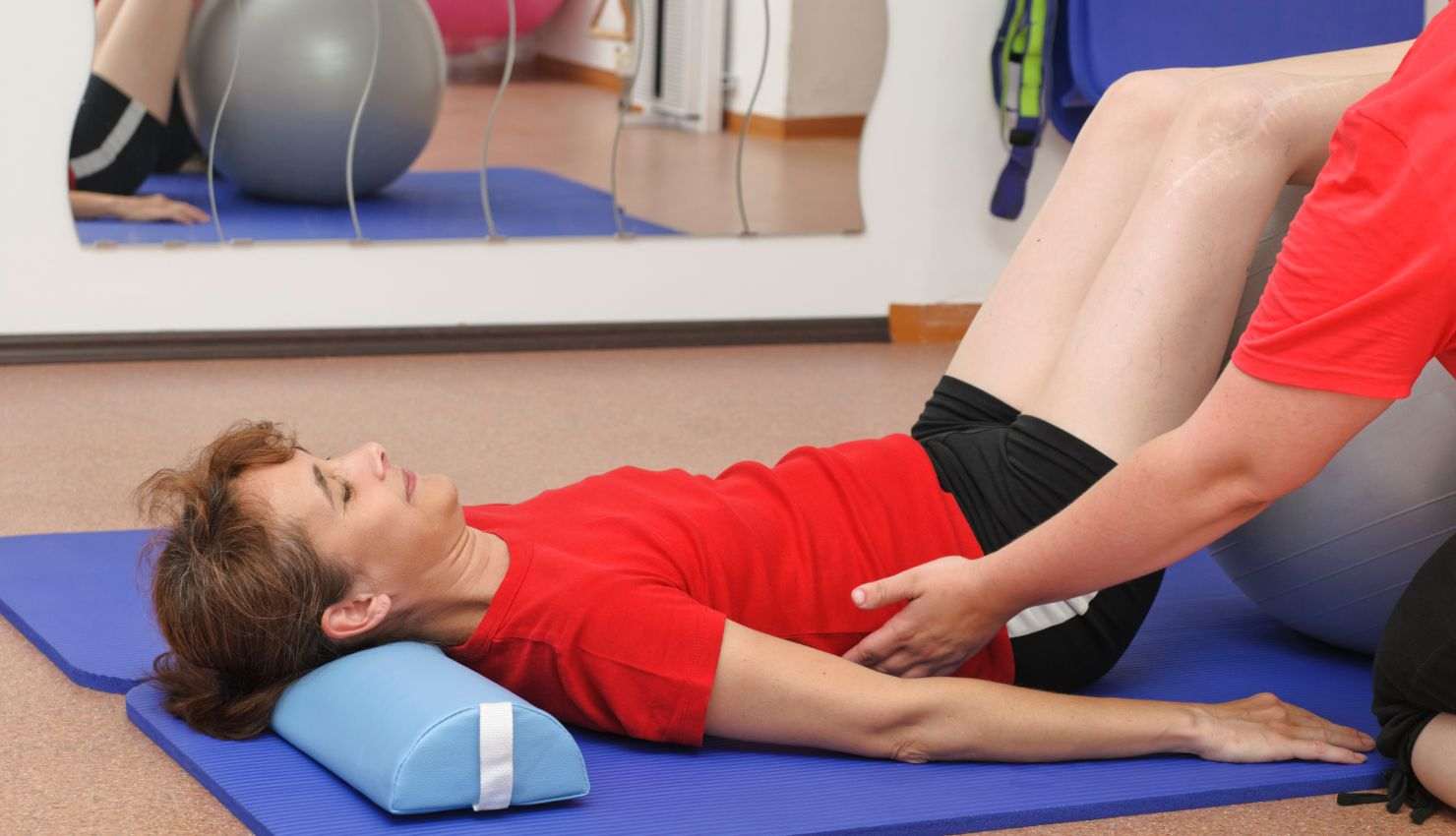
Movement therapy goes far beyond injury rehabilitationits a holistic practice that enhances physical, mental, and emotional well-being. By using mindful, intentional movement, this approach can strengthen the body, reduce stress, improve posture, boost mobility, and foster overall vitality.
?? What Is Movement Therapy?
Movement therapy includes a range of guided exercises that integrate:
Mobility and flexibility training
Postural correction
Balance and coordination
Breathwork
Mind-body awareness
It draws from practices like functional movement, somatics, yoga, Pilates, and rehabilitative kinesiology, making it suitable for all ages and fitness levels.
? Key Wellness Benefits of Movement Therapy
1. Enhances Physical Function
Increases joint mobility and muscle flexibility
Improves posture, gait, and daily movement patterns
Builds strength and coordination to prevent injury
Example: Functional squats and lunges make everyday tasks like sitting or lifting easier.
2. Boosts Mental and Emotional Health
Reduces anxiety and depression through rhythmic, calming movement
Improves body awareness and self-confidence
Activates the parasympathetic nervous system (rest-and-digest mode)
Mindful movement combined with breathwork has been shown to lower cortisol (stress hormone) levels.
3. Supports Pain Management
Eases chronic pain through gentle mobilization and muscle activation
Improves circulation and reduces inflammation
Encourages healthy movement patterns that reduce compensations
Neck and back pain from sitting can be greatly reduced through posture-focused exercises.
4. Improves Balance and Stability
Re-engages core and stabilizing muscles
Reduces the risk of falls and enhances movement confidence
Especially beneficial for older adults or people with neurological conditions
Simple standing balance drills improve neuromuscular control and fall prevention.
5. Promotes Longevity and Quality of Life
Keeps joints healthy and muscles active as we age
Supports independence in daily tasks
Increases overall energy and vitality
Regular movement therapy has been linked to better metabolic, cardiovascular, and cognitive health.
?? Common Movement Therapy Techniques
Technique Focus Benefits
Somatic Exercises Body awareness Releases chronic tension patterns
Joint Mobility Drills Hips, shoulders, spine Restores range of motion
Functional Movement Patterns Core, glutes, back Builds movement efficiency
Dynamic Stretching Whole body Prepares muscles for motion
Breath-Integrated Movement Diaphragm, core Calms mind, supports spinal health
Balance and Proprioception Work Ankles, core, eyes Improves coordination and stability
?? Sample Daily Movement Flow for Wellness (1015 Minutes)
1. Grounding Breathwork (2 min)
Box breathing (inhale 4s, hold 4s, exhale 4s, hold 4s)
2. Neck and Spine Mobility (23 min)
Neck rolls, thoracic rotations, cat-cow stretches
3. Dynamic Joint Mobility (3 min)
Arm circles, hip circles, ankle rolls
4. Functional Strength (34 min)
Bodyweight squats, glute bridges, bird-dogs
5. Balance Practice (2 min)
Single-leg stance or toe-to-heel walking
?? Tips for Getting the Most from Movement Therapy
Start small and stay consistent10 minutes a day can yield real results
Focus on how you feel, not just how you move
Breathe intentionally to sync your nervous system with your motion
Use it as a check-in with your body, especially when tired or stressed
Integrate into daily routinesstretch in the morning or during work breaks
?? Who Should Try It?
Movement therapy is ideal for:
People with sedentary lifestyles or desk jobs
Older adults seeking mobility and independence
Athletes needing recovery and balance work
Individuals with chronic pain or fatigue
Anyone wanting to reconnect with their body and improve overall health
?? Final Thoughts
Movement therapy is a powerful, accessible tool for whole-body wellness. Whether you’re seeking to improve posture, reduce stress, ease chronic pain, or simply move better in daily life, this mindful approach empowers you to feel strong, flexible, and in control of your healthat any age or stage.