Postural alignment and stability are essential foundations for pain-free movement, balance…

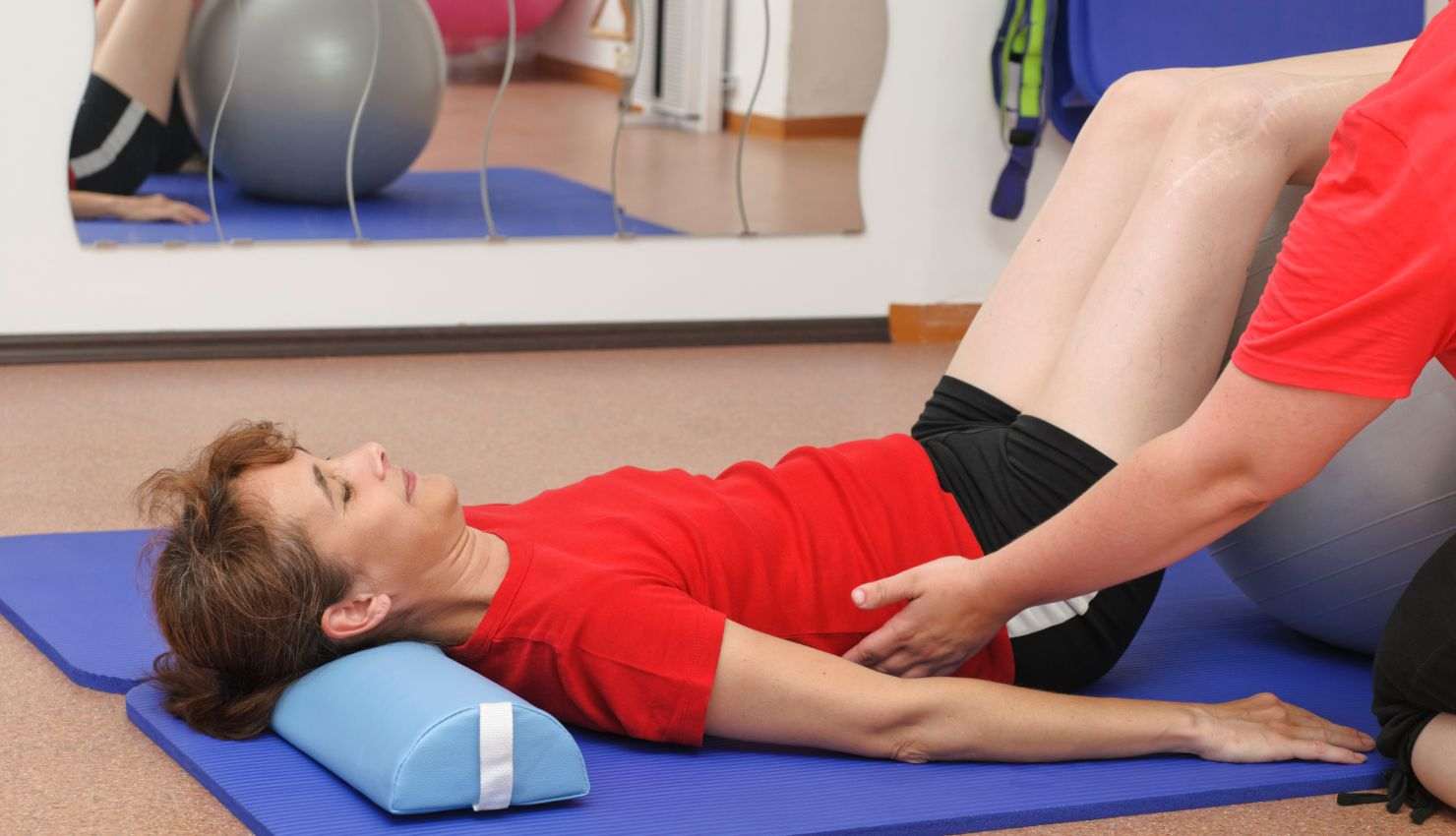
Postural alignment and stability are essential foundations for pain-free movement, balance, and optimal performance. Poor posturewhether from prolonged sitting, muscle imbalances, injury, or lack of body awarenesscan lead to chronic pain, reduced mobility, and increased injury risk. Movement therapy offers a targeted approach to identify and correct postural dysfunctions while building the neuromuscular stability needed for long-term alignment and control.
????? Why Postural Alignment Matters
Good posture isnt just about standing tallits about:
Even weight distribution across joints
Efficient muscle engagement
Proper spine and joint positioning
Reduced stress on muscles, tendons, and ligaments
When posture is compromised, the body compensates with inefficient movement patterns that can cause neck/back pain, joint degeneration, and muscular fatigue.
? How Movement Therapy Improves Postural Alignment
1. Identifies Postural Deviations
Comprehensive postural assessments analyze spinal curves, pelvic tilt, scapular position, and head alignment.
Recognizes common issues such as:
Forward head posture
Rounded shoulders
Anterior pelvic tilt
Hyperlordosis or kyphosis
2. Releases Overactive or Tight Muscles
Stretching and myofascial release reduce tension in muscles that pull the body out of alignment (e.g., hip flexors, upper traps, pecs).
Helps restore balance between agonist and antagonist muscle groups.
3. Activates Weak or Underused Muscles
Targeted muscle activation exercises strengthen stabilizers often neglected due to compensation (e.g., deep core, glutes, scapular retractors).
Re-educates the body to use correct muscles for support and movement.
4. Improves Joint Mobility and Alignment
Mobilization techniques for the hips, thoracic spine, shoulders, and ankles enhance joint positioning and freedom of movement.
Allows the body to return to a more neutral posture during movement.
5. Rebuilds Core and Postural Stability
Core stabilization exercises (not just crunches) improve lumbo-pelvic control.
Encourages proper spinal alignment during daily activities and sports.
6. Encourages Neuromuscular Re-education
Movement therapy retrains the brain-body connection to automatically maintain better posture.
Focuses on slow, intentional movements that build awareness and control.
?? Why Stability Is Key
Postural stability refers to the bodys ability to maintain balance and control during movement. It relies on:
Strong core muscles
Proprioceptive feedback
Dynamic balance training
Without stability, even good alignment can’t be sustained during walking, lifting, or sports performance.
?? Key Movement Therapy Techniques for Posture and Stability
Technique Benefit
Postural retraining exercises Reinforce correct spinal and joint alignment
Core stabilization (e.g., bird-dog, dead bug) Builds trunk support and motor control
Thoracic mobility drills Reduces upper back stiffness, improves shoulder posture
Scapular retraction and shoulder control Corrects rounded shoulders, improves arm mobility
Pelvic tilt and hip mobility work Re-aligns lower back and hips
Balance and proprioception training Enhances body awareness and automatic postural response
Functional movement integration Applies improved posture to real-world tasks (e.g., sit-to-stand, lifting)
?? Common Conditions Helped by Postural Movement Therapy
Forward head posture and tech neck
Scoliosis or spinal imbalances
Postural kyphosis or lordosis
Chronic back, neck, or shoulder pain
Desk-job fatigue and movement dysfunction
Balance issues or fall risk in older adults
Athletic performance deficits due to poor posture
?? Benefits of Improved Postural Alignment and Stability
Reduced muscle and joint pain
Increased energy and breathing efficiency
Enhanced athletic performance
Better balance and coordination
Improved appearance and confidence
Decreased risk of repetitive stress injuries