Pregnancy and childbirth place immense stress on the pelvic floor, abdominal muscles, spin…

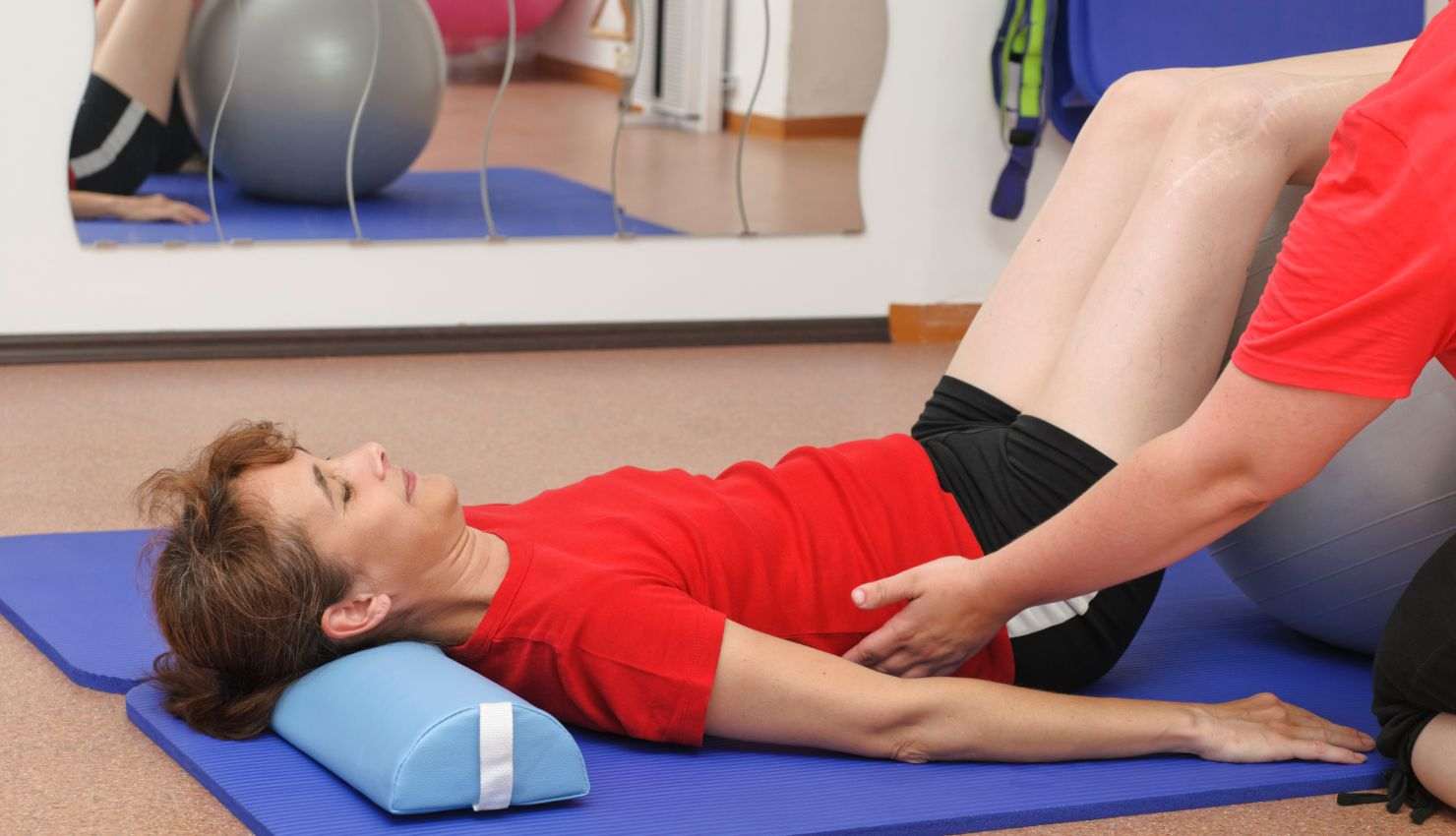
Pregnancy and childbirth place immense stress on the pelvic floor, abdominal muscles, spine, and hips, often leading to issues such as pelvic pain, incontinence, prolapse, and core weakness. Physiotherapyspecifically pelvic health physiotherapyoffers safe, evidence-based solutions to restore function, relieve discomfort, and rebuild strength in the postpartum body.
?? Common Postpartum Pelvic Health Issues
After pregnancy and childbirth, many women experience:
Pelvic floor dysfunction (weakness, overactivity, or incoordination)
Urinary incontinence (stress or urge)
Pelvic organ prolapse
Diastasis recti abdominis (abdominal muscle separation)
Low back, sacroiliac, or hip pain
Painful intercourse (dyspareunia)
? How Physiotherapy Supports Pelvic Health Recovery
Physiotherapy Focus Benefit
Pelvic floor muscle retraining Improves strength, endurance, and control of deep pelvic muscles
Breathing and core integration Supports intra-abdominal pressure and spinal stability
Manual therapy Relieves soft tissue tension, scar adhesions, or nerve irritation
Postural correction Reduces strain on spine and pelvis during daily tasks
Bladder and bowel education Helps manage urgency, leakage, and constipation
Functional movement re-education Restores confidence in lifting, walking, and caring for baby
????? Physiotherapy Solutions and Techniques
Pelvic Floor Activation and Relaxation
Gentle exercises to identify and control pelvic muscles
Focus: Kegel exercises (not just tightening, but learning to release fully too)
Diaphragmatic Breathing
Coordinates breath with pelvic floor movement
Helps manage pressure and tension in the abdomen and pelvis
Postpartum Core Rehabilitation
Safe, progressive exercises for diastasis recti and core support
Includes heel slides, pelvic tilts, modified planks
Manual Therapy
Myofascial release or scar massage (e.g., C-section, perineal tears)
Can relieve discomfort and improve tissue mobility
Movement Repatterning
Teaches proper lifting, bending, and carrying mechanics
Prevents overload on weakened pelvic structures
Biofeedback and Electrical Stimulation (if needed)
For individuals with poor pelvic floor awareness or coordination
?? Typical Recovery Timeline
Recovery is individualized, but heres a general guide:
Time Postpartum Focus
06 weeks Rest, gentle breathwork, pelvic awareness
612 weeks Core activation, light pelvic floor strengthening
36 months Functional movement, postural and pelvic rehab
6+ months Return to full activity, running, lifting, etc.
Note: Clearance from a healthcare provider is important before beginning physiotherapy postpartum.
????? When to See a Pelvic Health Physiotherapist
Seek professional support if you:
Leak urine during sneezing, laughing, or exercise
Feel heaviness or bulging in the pelvic area
Have pain during intercourse or bowel movements
Experience unresolved back, hip, or pelvic pain
Want guidance on returning to exercise safely
? Summary
Postpartum physiotherapy is essential for:
Healing the pelvic floor and core
Improving bladder and bowel control
Reducing pain and improving posture
Restoring confidence in daily movement
Preventing long-term dysfunction and injury