strength and stability are essential components of physical health, enabling us to perform…

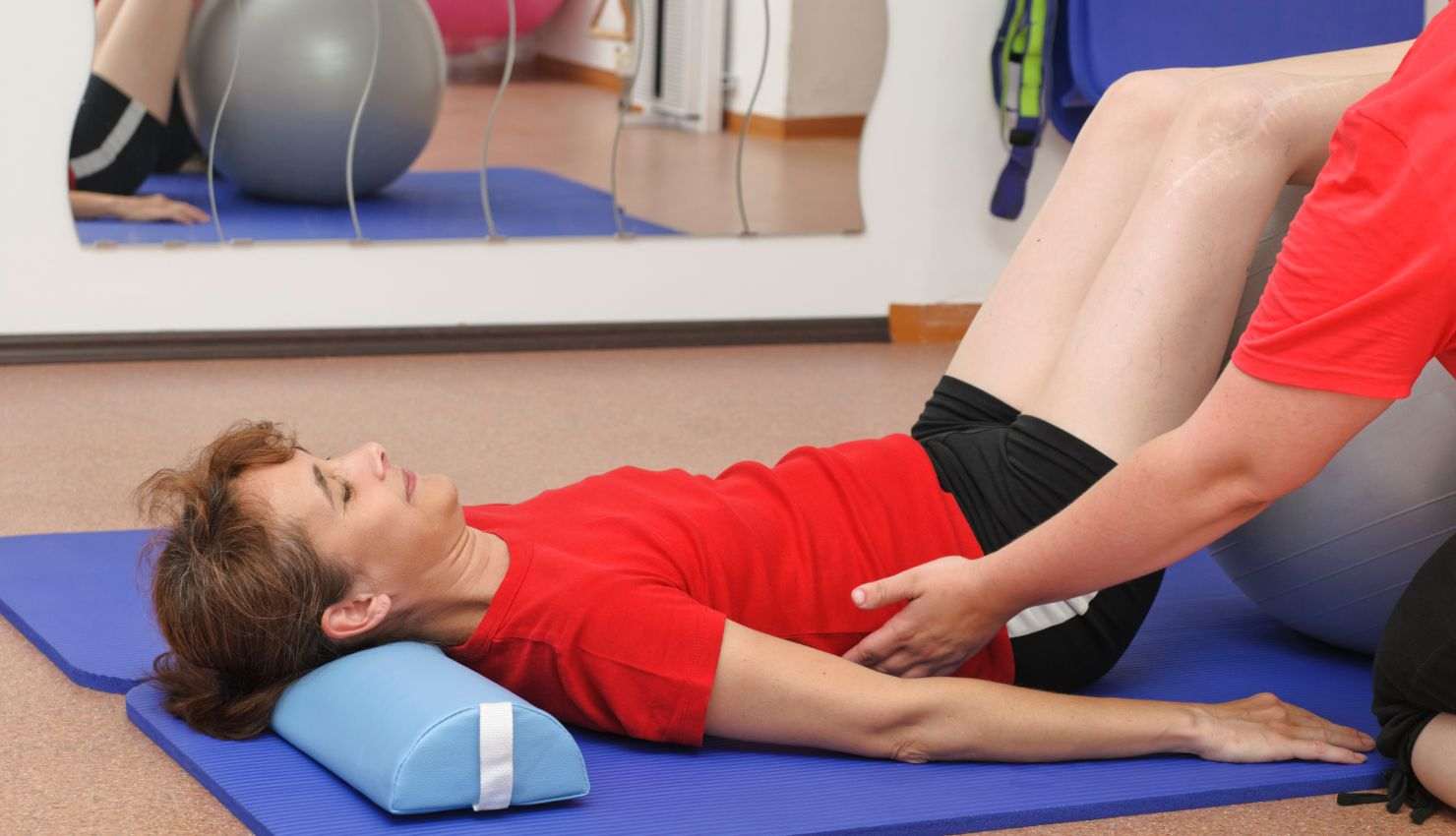
strength and stability are essential components of physical health, enabling us to perform daily activities, prevent injury, and maintain balance throughout life. Movement therapytargeted, intentional movement designed to restore functionfocuses not only on building muscle but also on reinforcing the neuromuscular control and balance that create true, sustainable strength and stability.
1. Functional Strength Training
Unlike traditional weightlifting, movement therapy emphasizes functional strengthstrength that translates to real-world tasks like walking, lifting, reaching, or climbing stairs.
Focus: Compound movements that engage multiple muscle groups
Examples: Squats, step-ups, lunges, pushing and pulling movements
Benefits: Builds strength in patterns we use daily, not just isolated muscles
2. Core Activation and Stabilization
The core is more than just abdominal musclesit includes the hips, pelvis, lower back, and deep stabilizing muscles. Movement therapy trains the core to support the spine and pelvis, which is essential for balance and injury prevention.
Focus: Deep core muscle activation and endurance
Examples: Dead bugs, bird-dogs, planks, pelvic tilts
Benefits: Improved posture, reduced back pain, greater control
3. Balance and Proprioceptive Training
Stability requires proprioceptionthe body’s ability to sense its position in space. Movement therapy improves this sense, especially important for older adults or those recovering from injury.
Focus: Controlled instability to train balance reflexes
Examples: Single-leg stands, stability ball work, wobble board drills
Benefits: Better coordination, fall prevention, stronger joint support
4. Joint Stability and Mobility Integration
Strength without mobility limits movement. Movement therapy combines stability (control) and mobility (freedom of movement) to ensure that joints are both strong and flexible.
Focus: Controlled, full-range movements
Examples: Controlled articular rotations (CARs), dynamic stretching, resistance band exercises
Benefits: Reduces injury risk, maintains joint health, supports efficient motion
5. Progressive Overload and Adaptation
Therapists guide patients through a gradual progressionincreasing resistance, complexity, or intensity based on the individuals abilities.
Focus: Safe progression without strain
Approach: Start with bodyweight, then add light resistance or instability
Benefits: Long-term gains in strength and neuromuscular control
6. Breath and Movement Coordination
Proper breathing techniques support core stability and muscular control. Movement therapy often integrates diaphragmatic breathing with physical tasks.
Focus: Synchronizing breath with movement
Examples: Exhaling during exertion, breathing through controlled motions
Benefits: Enhances power output, reduces tension, increases endurance
Conclusion
Movement therapy provides a comprehensive approach to building strength and stabilitynot just in isolated muscles, but across functional systems that support everyday life. Whether you’re recovering from an injury, preventing falls, or simply aiming to move better, this therapy empowers the body to work efficiently, safely, and with confidence.