he lower bodycomprising the hips, glutes, thighs, knees, and calvesis the powerhouse of…

he lower bodycomprising the hips, glutes, thighs, knees, and calvesis the powerhouse of human movement. Strengthening this region not only enhances mobility, posture, and stability, but also plays a key role in injury prevention, balance, and functional independence, especially as we age or recover from injury.
Movement therapy focuses on improving strength through controlled, functional, and intentional movement patterns. Rather than simply building muscle, it helps optimize neuromuscular coordination, joint integrity, and movement efficiency.
?? Why Lower Body Strength Matters
Supports walking, squatting, climbing, and lifting
Improves joint health in hips, knees, and ankles
Prevents falls and imbalance-related injuries
Enhances core stability and spinal support
Aids in recovery from injury or surgery (e.g., knee replacements, hip injuries)
Boosts athletic performance and endurance
?? Core Principles of Lower Body Movement Therapy
? 1. Functional Movement Patterns
Focus on motions used in daily lifesquatting, stepping, lunging, and hip hingingto build practical strength.
Examples:
Sit-to-stand practice
Step-ups with control
Bodyweight squats (with support if needed)
? 2. Muscle Activation and Coordination
Stimulates key muscles like the glutes, quadriceps, hamstrings, hip flexors, and calves in a balanced way.
Examples:
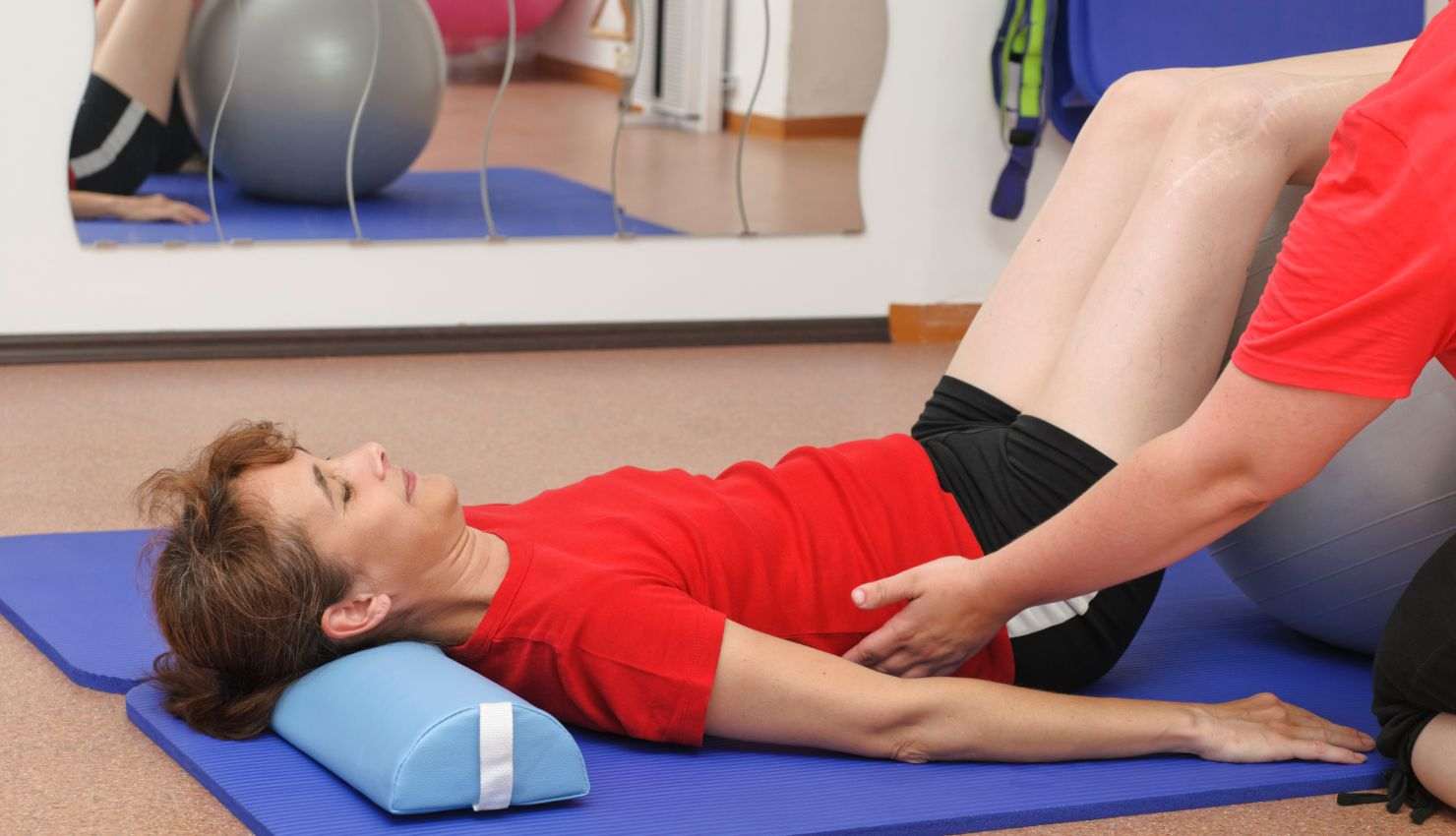
Glute bridges (hip activation)
Standing leg lifts (hip and thigh control)
Heel raises (calf strengthening)
? 3. Stability and Joint Control
Strength is built alongside stability, which protects joints during movement.
Techniques:
Single-leg stands or heel-to-toe walking
Resistance band exercises for hip/knee alignment
Core activation during lower body movement
? 4. Progressive Overload Without Strain
Movement therapy allows gradual strength building without excessive weight or joint pressure, making it ideal for seniors or those in recovery.
?? Sample Movement Therapy Routine for Lower Body Strength (20 Minutes)
(Can be done with body weight or light resistance bandsmodify for ability.)
Warm-up (3 mins)
Marching in place
Gentle hip circles
Ankle pumps
Core Activation (2 mins)
Pelvic tilts or dead bug (on floor or chair-supported)
Glute and Hamstring Activation (4 mins)
Glute bridges (2 sets of 1012)
Standing hip extensions (2 sets per leg)
Quad and Thigh Strength (5 mins)
Sit-to-stand from chair (23 sets)
Wall sit hold or supported mini-squats
Balance and Calf Work (3 mins)
Single-leg stand (hold 20 sec/leg)
Heel raises (2 sets of 1015 reps)
Cool-down & Stretch (3 mins)
Hamstring stretch
Standing quad stretch
Calf stretch on wall or step
?? Key Lower Body Muscles Targeted
Muscle Group Function
Gluteus Maximus Hip extension, posture, power
Quadriceps Knee extension, walking, standing
Hamstrings Knee flexion, hip extension
Hip Abductors Pelvic stability, balance
Calves (Gastrocnemius, Soleus) Ankle stability, push-off in walking
?? Benefits of Movement Therapy for Lower Body Strength
Builds foundational strength for everyday function
Enhances mobility and joint protection
Aids in post-injury or post-surgical recovery
Reduces risk of falls, knee pain, and hip instability
Boosts circulation and energy levels
?? Safety Tips
Begin with slow, controlled repetitions
Use support (chair, wall, rail) when needed
Avoid locking joints or jerky movements
Stop with pain, not fatigueadjust to your comfort
Breathe continuouslyexhale on effort, inhale on release
? Final Thought
Movement therapy is a powerful, low-impact method to strengthen the lower body in a way that enhances real-life movement, balance, and confidence. Whether you’re an athlete, a senior working on independence, or someone recovering from injury, consistent lower body movement therapy can rebuild strength from the ground upliterally.