Movement therapy is a holistic and progressive approach that helps increase flexibility by…

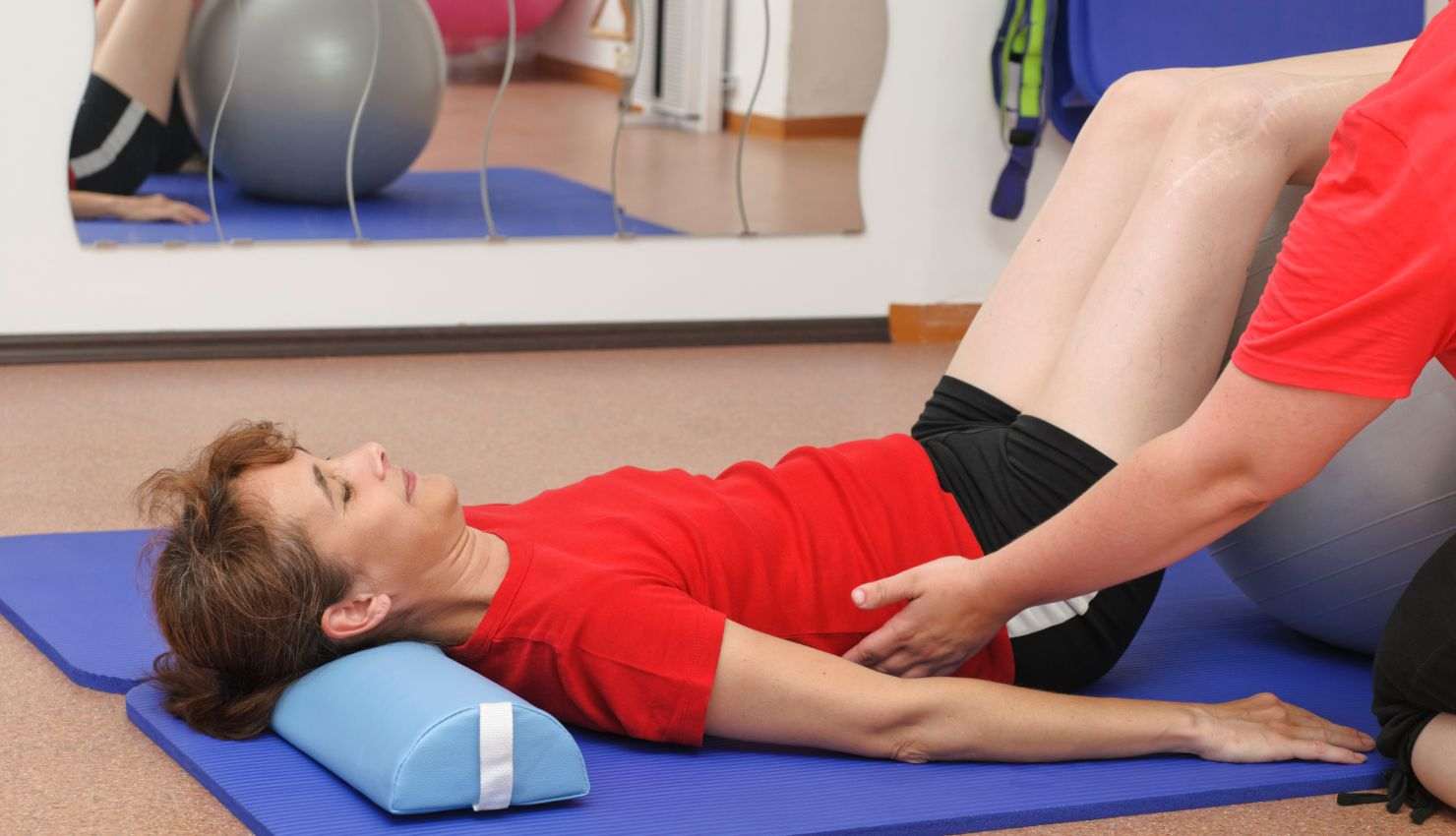
Movement therapy is a holistic and progressive approach that helps increase flexibility by improving muscle elasticity, joint mobility, and neuromuscular control. Unlike static stretching alone, movement therapy integrates dynamic and functional movement patterns that promote long-term mobility, better posture, and pain-free motion.
????? What Is Flexibility?
Flexibility refers to the ability of muscles and joints to move through their full range of motion without pain or restriction. Adequate flexibility:
Prevents injury
Enhances physical performance
Supports proper posture and body mechanics
Improves balance and coordination
Reduces muscle stiffness and joint pain
? How Movement Therapy Improves Flexibility
Technique Function
Dynamic stretching Warms up muscles while moving through ranges of motion
PNF (Proprioceptive Neuromuscular Facilitation) Enhances flexibility through contract-relax patterns
Myofascial release and mobility drills Releases tension in fascia and improves joint mobility
Active isolated stretching Isolates and activates specific muscles for deeper, safer stretching
Movement pattern retraining Rebuilds natural range through functional, pain-free movements
?? Benefits of Flexibility Through Movement Therapy
Physical Benefits Functional Outcomes
Reduces muscle tightness Freer, more comfortable movement
Enhances joint range of motion Improved performance in sports and daily tasks
Improves circulation Speeds recovery and tissue healing
Prevents injury Reduces strain from tight muscles and imbalanced joints
Improves posture and alignment Less strain on the spine and surrounding structures
?? Key Areas for Flexibility Focus
Hips and hip flexors critical for walking, squatting, and sitting posture
Hamstrings and calves important for gait and spinal alignment
Shoulders and chest reduce rounded posture and improve reach overhead
Spine and torso enhance rotation, posture, and core strength
Ankles support balance and shock absorption
Neck relieve tension and support upright posture
?????? Sample Movement Therapy Flexibility Routine (Full Body)
?? Warm-Up (Dynamic Movement 57 min)
Arm circles
Leg swings (forward/backward and side to side)
Hip circles and lunges with reach
Cat-cow stretches (spine mobility)
?? Targeted Flexibility Work
Body Region Movement Therapy Exercise
Shoulders Wall angels, band pull-aparts, doorway stretches
Hips 90/90 hip switches, kneeling hip flexor stretch
Hamstrings Active straight-leg raises, standing toe touches
Spine Supine trunk rotations, thread-the-needle stretch
Ankles Ankle dorsiflexion drills, deep squat holds
Neck Controlled neck tilts and rotations with breath focus
?? Integration Phase (Functional Movement Drills)
Deep squats with reach
Controlled lunges with spinal rotation
Dynamic yoga flows (e.g., sun salutation, low lunge twist)
?? Mind-Body Components
Movement therapy often combines breathwork and mindfulness to reduce muscular guarding and improve stretch effectiveness. Diaphragmatic breathing during stretching can:
Relax the nervous system
Enhance muscle elongation
Promote body awareness and postural control
?? Weekly Flexibility Strategy
Day Focus Goal
Monday Lower body flexibility Hips, hamstrings, calves
Wednesday Upper body flexibility Shoulders, chest, spine
Friday Full-body dynamic movement flow Integration of flexibility + function
Daily Micro-stretching & mobility 510 min for problem areas
?? Who Can Benefit?
Office workers with sedentary lifestyles
Athletes seeking to prevent injury and enhance performance
Seniors wanting to maintain range of motion and independence
Individuals recovering from surgery or injury
People with tightness from stress or poor posture
?? Summary of Key Takeaways
Movement therapy improves flexibility not just by stretching muscles, but by training the body to move better.
A consistent routine can reverse years of tightness and improve performance, comfort, and longevity.
Focused movement techniques are more effective than passive or static stretching alone.