Injuries are a major concern for athletes at all levels. While strength and conditioning a…

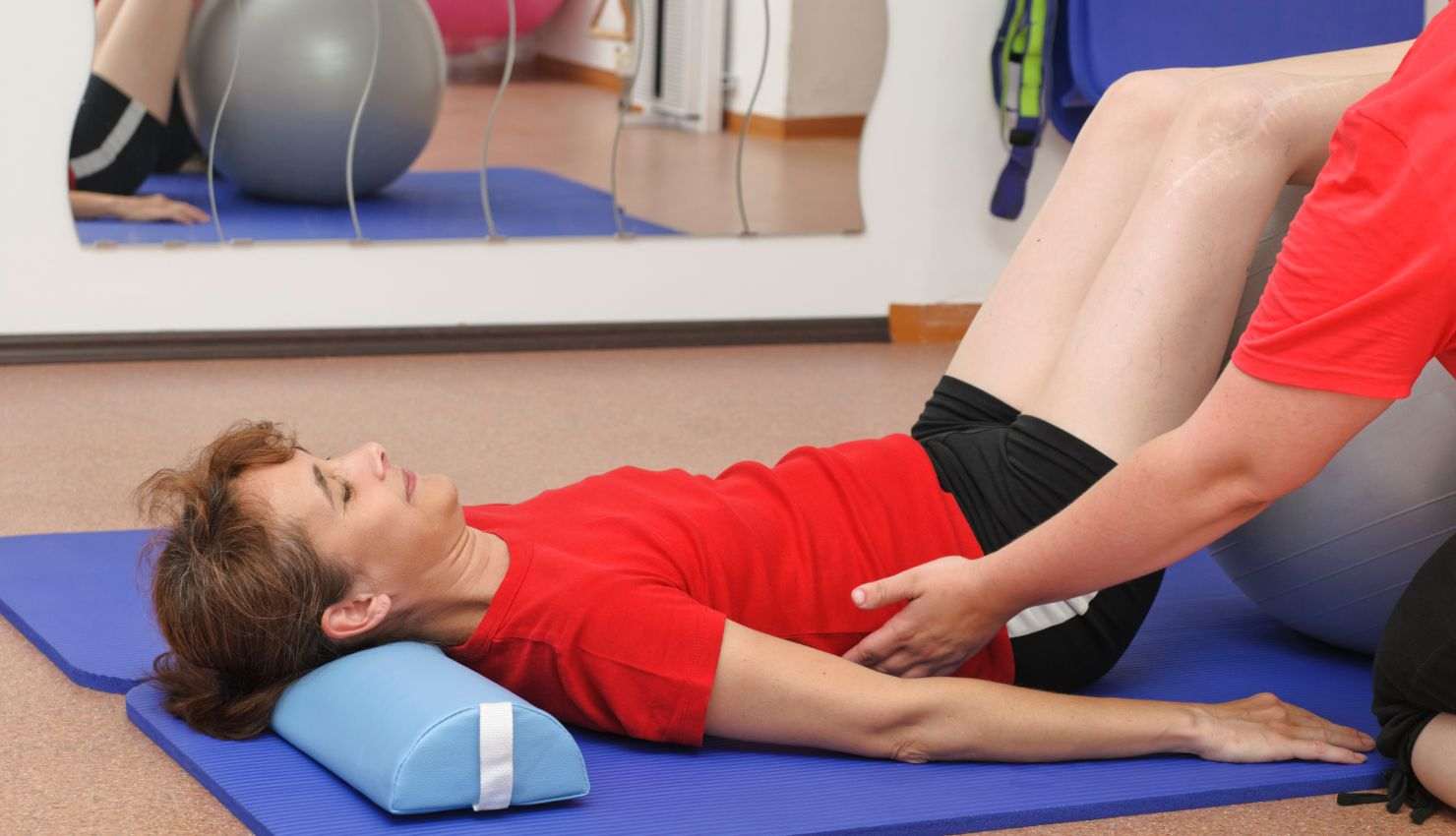
Injuries are a major concern for athletes at all levels. While strength and conditioning are crucial for performance, movement quality is just as important for staying injury-free. Movement therapy focuses on improving how the body moves through spaceenhancing mobility, stability, balance, and coordination to reduce injury risk and support long-term athletic health.
?? Why Athletes Need Movement Therapy
Athletes frequently repeat high-intensity actions (sprinting, jumping, cutting, lifting), which can lead to:
Muscle imbalances
Poor joint mechanics
Overuse injuries
Reduced range of motion
Movement therapy addresses the root causes of these problems by promoting efficient, pain-free motion across all joints and movement patterns.
?? Common Sports Injuries That Movement Therapy Can Help Prevent
Injury Typical Cause Prevention Focus
ACL tears Poor knee alignment, weak glutes Hip/knee stability, neuromuscular control
Hamstring strains Tight or weak hamstrings Posterior chain strength, dynamic flexibility
Shoulder impingement Poor scapular control Shoulder mobility, scapular stability
Shin splints Overuse, poor ankle mobility Ankle mobility, lower leg conditioning
Low back pain Poor core activation, tight hips Core stabilization, hip mobility
?? Core Principles of Movement Therapy for Injury Prevention
Functional Movement Screening
Identifies movement dysfunctions and asymmetries.
Helps create individualized injury-prevention programs.
Mobility + Stability Balance
Mobile joints (hips, shoulders, ankles) work in harmony with stable joints (knees, spine).
Prevents compensatory movement patterns that lead to injury.
Movement Pattern Correction
Focus on fundamental patterns: squatting, lunging, hinging, pushing, pulling, rotating.
Ensures that athletes can move efficiently under load and speed.
Proprioceptive and Neuromuscular Training
Enhances body awareness and reflexes.
Crucial for injury prevention during rapid changes of direction or contact.
Eccentric and Isometric Training
Builds tendon and ligament strength.
Helps joints withstand sudden force or stress.
?? Sample Movement Therapy Exercises for Athletes
Goal Exercise Benefit
Hip mobility 90/90 hip rotations Improves hip internal/external rotation
Ankle mobility Banded ankle dorsiflexion Enhances squat and landing mechanics
Core control Dead bugs, bird dogs Builds deep core stability
Glute activation Glute bridges, clamshells Supports knee alignment and hip stability
Dynamic balance Single-leg hops, BOSU lunges Improves proprioception and joint control
Shoulder stability Wall slides, YTWs Enhances scapular movement and strength
?? How to Incorporate Movement Therapy into Training
Pre-training: Use dynamic warm-up and mobility drills to prime the body.
Post-training: Integrate soft tissue work and corrective movements for recovery.
Weekly: Dedicate at least 12 sessions to focused movement therapy.
Progress: Start with low-load, high-control movements and advance to more dynamic, sport-specific drills.