Movement Therapy for Knee Pain: What You Need to Know 1. Identify the Cause Movement thera…

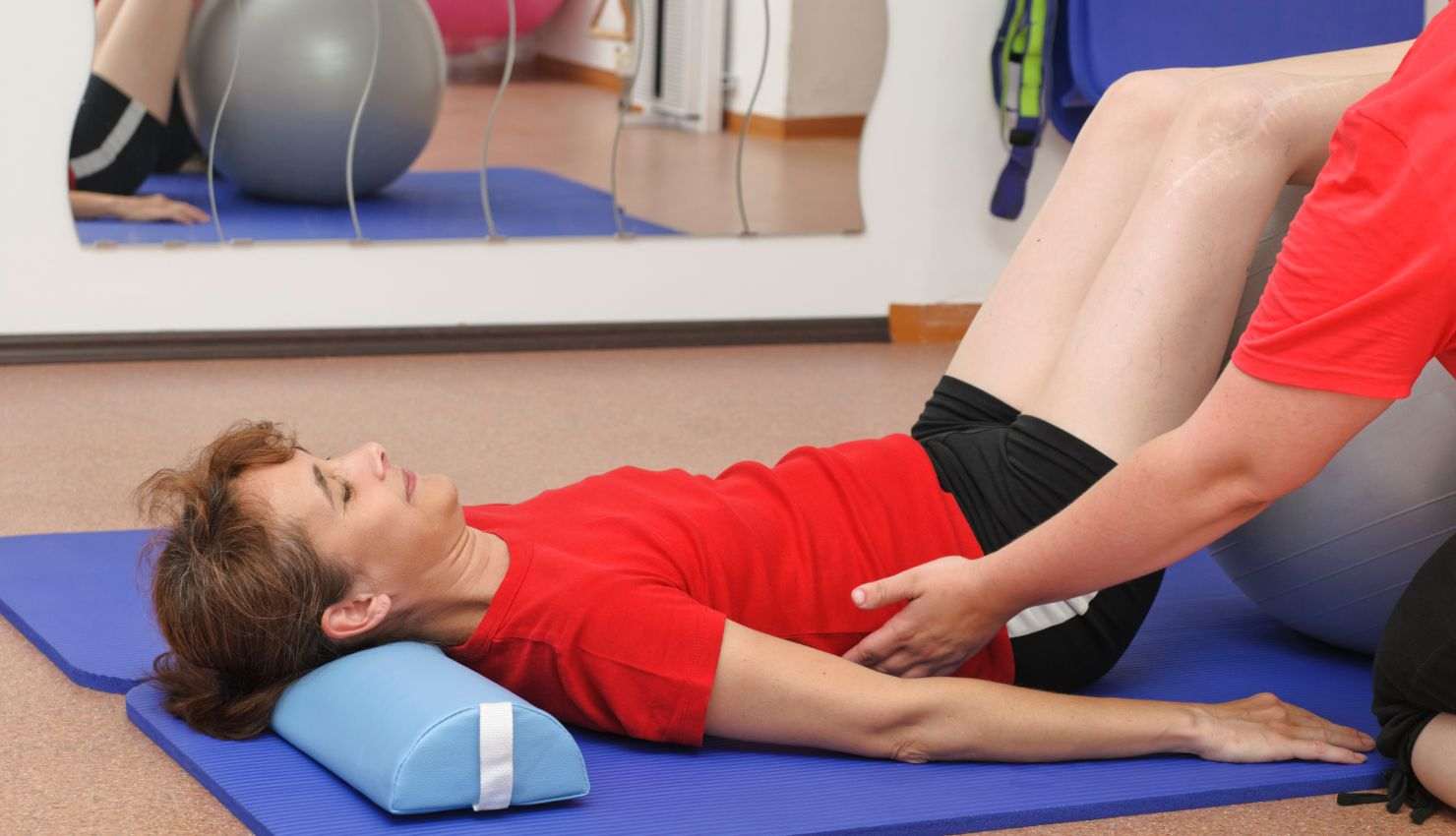
Movement Therapy for Knee Pain: What You Need to Know
1. Identify the Cause
Movement therapy starts with understanding the root cause: arthritis, ligament injury, meniscus damage, or muscle imbalance.
This helps tailor the exercises to your needs.
2. Improve Knee Joint Mobility
Gentle range-of-motion exercises prevent stiffness.
Examples:
Heel slides (bending and straightening the knee while lying down)
Knee extensions (lifting lower leg while seated)
3. Strengthen Surrounding Muscles
Strong quadriceps, hamstrings, and calf muscles support and stabilize the knee.
Exercises:
Straight leg raises
Hamstring curls
Wall sits
4. Enhance Balance and Proprioception
Improves joint awareness and reduces risk of falls or re-injury.
Examples:
Single-leg stands
Balance board exercises
5. Correct Movement Patterns
Movement therapy retrains gait and functional movements to avoid abnormal stresses.
Includes squatting and stepping techniques with proper form.
6. Manage Pain and Inflammation
Controlled movement promotes circulation, helping reduce swelling.
Combined with rest and other therapies as needed.