Lower extremity pain affects the hips, thighs, knees, legs, ankles, and feet, and can resu…

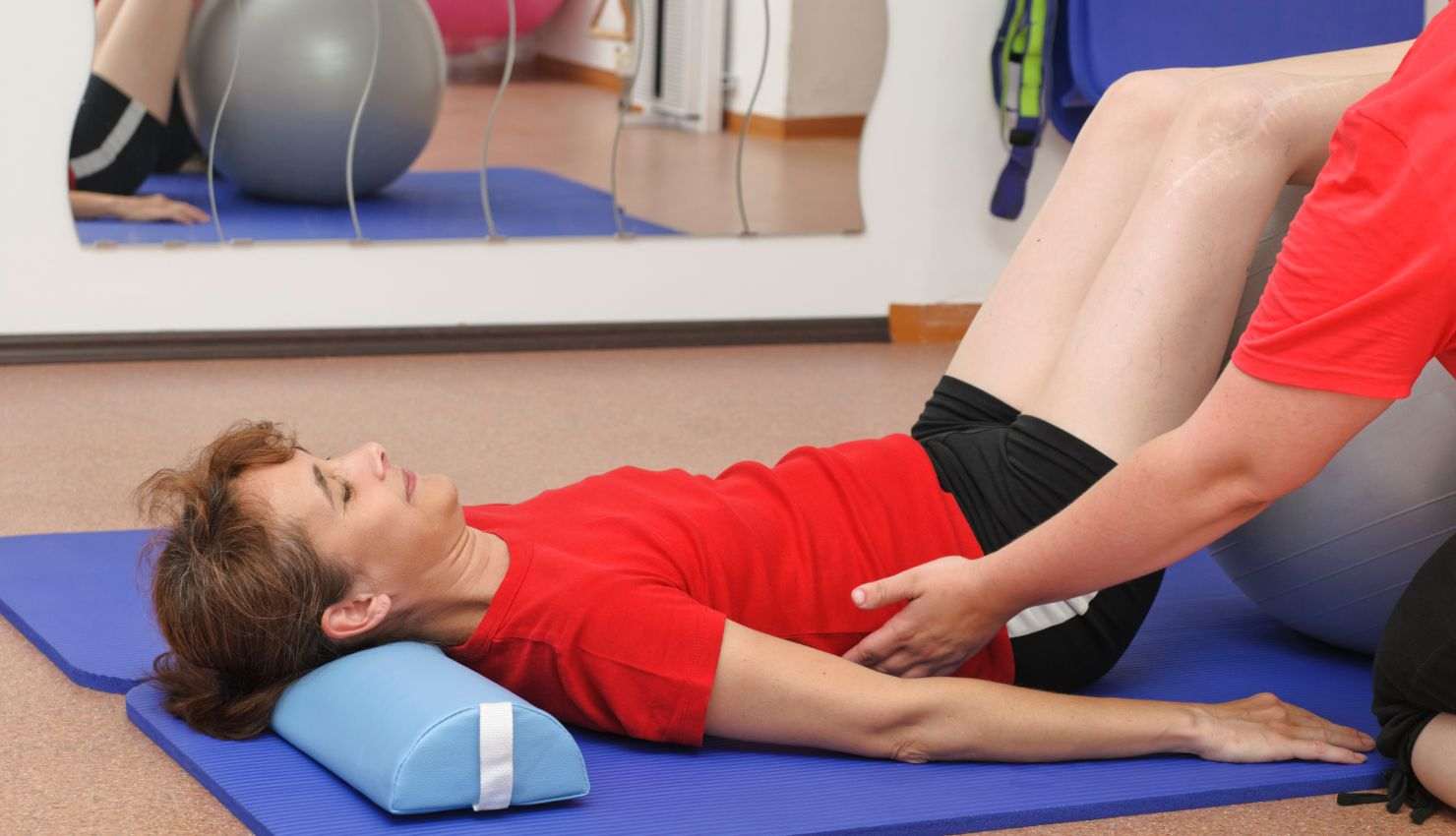
Lower extremity pain affects the hips, thighs, knees, legs, ankles, and feet, and can result from:
Overuse or sports injuries
Arthritis or joint degeneration
Muscle imbalances or tightness
Poor biomechanics or posture
Post-surgical recovery or nerve compression (e.g., sciatica)
Pain in these areas can reduce mobility, strength, and quality of life.
?? What Is Movement Therapy?
Movement therapy is a targeted, rehabilitative approach that uses guided exercises and mobility work to relieve pain, restore function, and prevent further injury. It combines:
Stretching
Strengthening
Balance and coordination drills
Body awareness and motor control retraining
?? How Movement Therapy Helps Manage Lower Extremity Pain
? Restores Joint Mobility
Mobilization drills improve movement in stiff hips, knees, or ankles, reducing compensations.
? Relieves Muscle Tension and Imbalances
Stretching and release work address tight calves, hamstrings, quads, and glutescommon pain sources.
? Builds Supportive Strength
Focuses on core, glutes, and leg muscles to offload painful joints and improve mechanics.
? Improves Gait and Posture
Corrects faulty movement patterns that contribute to pain during walking, running, or standing.
? Enhances Circulation and Healing
Low-impact movement boosts blood flow, aiding recovery in inflamed or irritated tissues.
?? Common Techniques Used
Focus Area Technique/Exercise Benefit
Mobility Hip circles, ankle rolls, knee bends Loosens joints, improves range
Stretching Hamstring, quad, calf, hip flexor stretch Relieves tight muscles
Strengthening Glute bridges, wall sits, step-ups Builds joint support, reduces strain
Balance Work Single-leg stance, heel-to-toe walk Improves control and reduces falls
Neuromuscular Control Squats with form focus, lunges Re-trains proper movement patterns
?? Sample Routine for Lower Extremity Pain Relief (1520 min)
Warm-Up (35 min)
Seated leg swings, ankle pumps, marching in place
Mobility + Stretching (57 min)
Hip flexor stretch
Calf stretch against wall
Hamstring stretch (seated or lying)
Strength & Control (57 min)
Glute bridge
Step-ups on a low stair
Mini squats with support
Balance + Cool-Down (35 min)
Heel-to-toe walk
Single-leg balance with chair
Deep breathing and gentle spinal twist
?? Benefits of Movement Therapy for Lower Extremity Pain
Reduces pain and stiffness naturally
Enhances mobility and joint stability
Restores confidence in walking and daily tasks
Prevents future injuries or degeneration
Supports long-term functional independence