Spinal pain and stiffnesswhether in the neck (cervical), mid-back (thoracic), or lower ba…

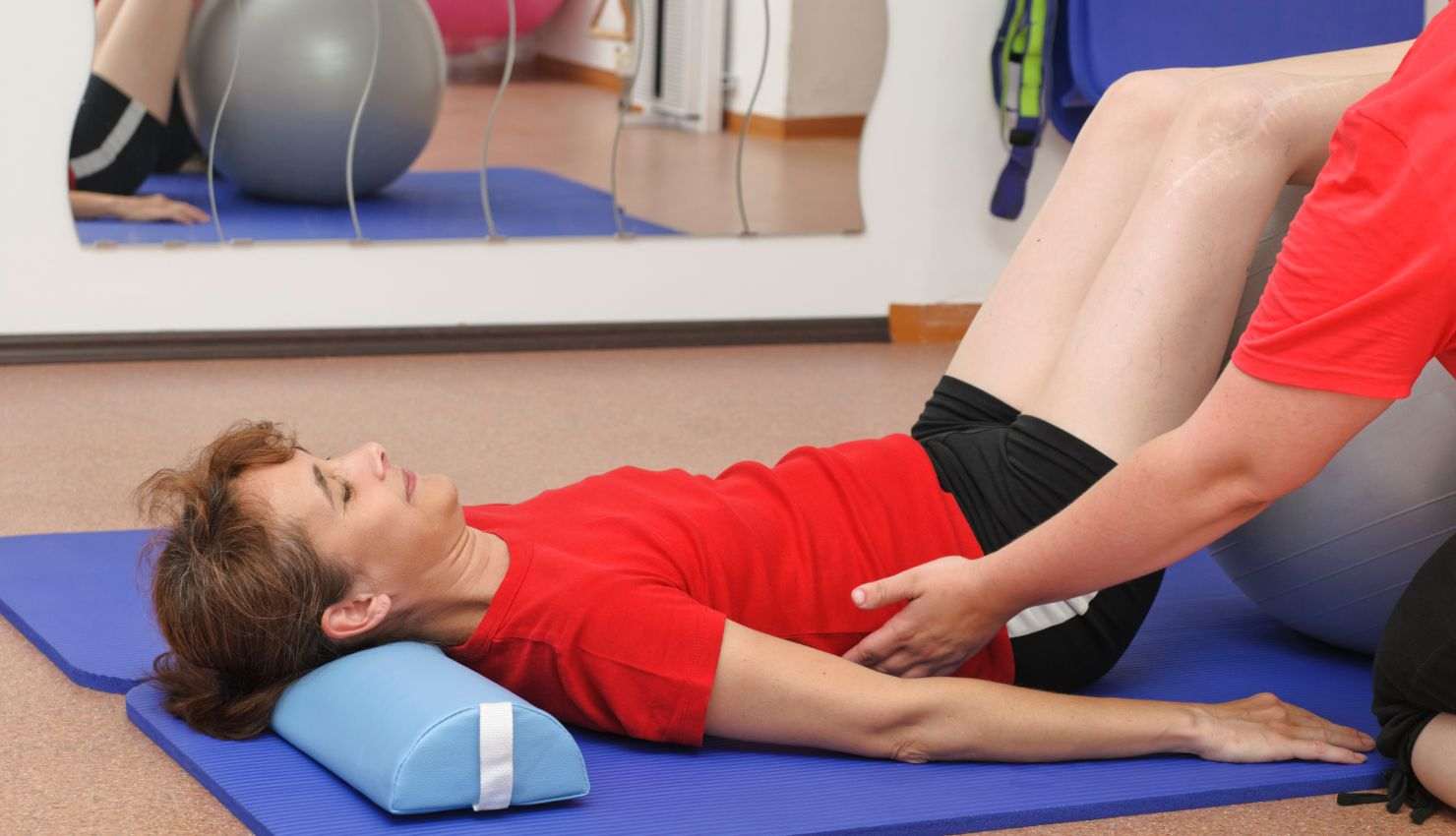
Spinal pain and stiffnesswhether in the neck (cervical), mid-back (thoracic), or lower back (lumbar)are common problems caused by factors like poor posture, muscular imbalances, disc degeneration, sedentary behavior, injury, or chronic conditions such as arthritis. Movement therapy offers a non-invasive, drug-free approach to managing these issues by improving mobility, stability, flexibility, and strength of the spine and surrounding structures.
?? Understanding Spinal Pain and Stiffness
Spinal pain and stiffness often stem from:
Muscle tightness or weakness
Poor posture and ergonomics
Joint dysfunction or spinal misalignment
Disc problems (herniation, degeneration)
Nerve impingement
Lack of spinal mobility from inactivity
These factors can limit range of motion, impair daily function, and cause chronic discomfort if not addressed holistically.
? How Movement Therapy Helps
1. Improves Spinal Mobility
Gentle, controlled spinal movements help loosen stiff joints and improve the flexibility of spinal segments.
Techniques like cat-cow stretches, spinal rotations, and pelvic tilts restore segmental movement and reduce rigidity.
2. Strengthens Core and Postural Muscles
A strong core stabilizes the spine and reduces mechanical load on vertebral joints and discs.
Movement therapy includes targeted strengthening of the deep abdominal muscles, glutes, back extensors, and scapular stabilizers.
3. Reduces Muscle Imbalances and Tension
Therapy targets overactive, tight muscles (like the hip flexors or upper traps) and activates underused muscles (like glutes or lower traps) to restore balance.
This helps prevent compensatory movement patterns that cause pain.
4. Enhances Postural Alignment
Movement therapy addresses poor posture (e.g., forward head, kyphosis, lordosis) by retraining postural awareness and muscle activation, reducing strain on the spine.
5. Promotes Circulation and Disc Hydration
Movement stimulates blood flow and helps rehydrate spinal discs, which naturally lose fluid and elasticity with age or inactivity.
Exercises involving dynamic movement and weight-shifting support disc health and joint lubrication.
6. Decreases Pain and Stiffness
Consistent movement therapy modulates pain signals, reduces inflammation, and restores normal motion, often reducing the need for medications or invasive interventions.
?? Types of Movement Therapy Used
Technique Purpose
Mobility exercises Restore flexibility of the spine and hips
Core stabilization drills Protect and support spinal structures
Functional movement retraining Improve safe movement in daily tasks
Postural training Correct poor alignment and reduce strain
Myofascial release / foam rolling Reduce muscular tightness and trigger points
Neuromuscular re-education Re-establish proper movement and muscle control
?? Sample Exercises for Spinal Pain and Stiffness
Exercise Benefit
Cat-Cow Stretch Mobilizes spine and relieves stiffness
Bird-Dog Builds core stability and lumbar control
Thoracic Rotations Improves mid-back mobility
Glute Bridges Activates glutes and relieves lower back
Chin Tucks Corrects forward head posture
Wall Angels Enhances upper spine and shoulder mobility
Always perform under professional supervision, especially post-injury or post-surgery.
?? Who Can Benefit?
People with chronic neck or back pain
Those with sedentary lifestyles or desk jobs
Individuals recovering from spinal injuries or surgeries
Patients with scoliosis, disc herniation, or spinal arthritis
Older adults experiencing age-related spinal stiffness