Movement therapy is a powerful, holistic approach to reducing stress and promoting deep re…

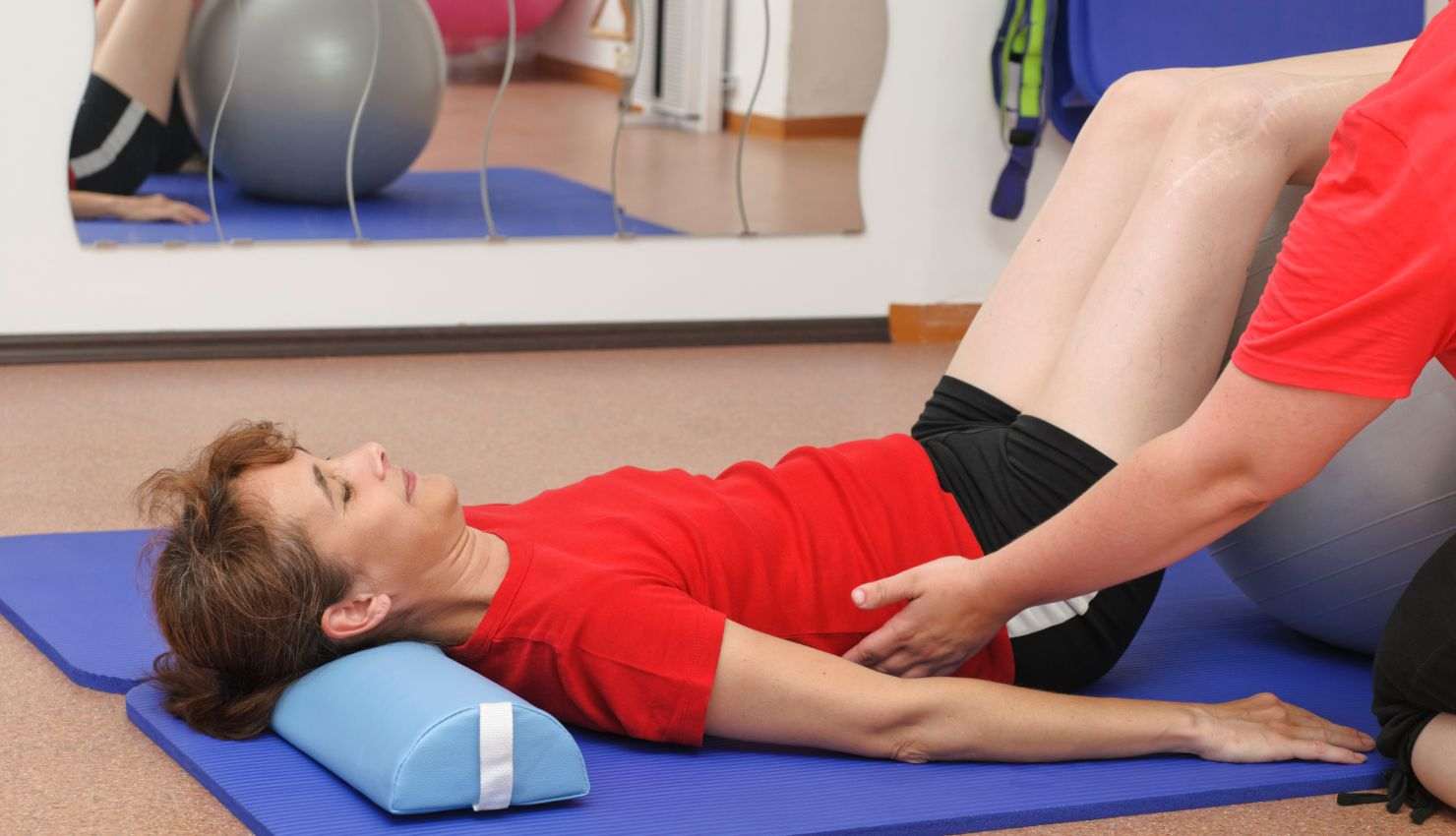
Movement therapy is a powerful, holistic approach to reducing stress and promoting deep relaxation by combining gentle physical activity with mindful awareness. It engages both the body and mind, helping to regulate the nervous system, release physical tension, and foster emotional calm. This makes it an excellent complement to mental health practices and a tool for building resilience against chronic stress.
?? How Stress Affects the Body
When you’re under stress, the sympathetic nervous system (fight-or-flight mode) becomes dominant, causing:
Increased heart rate and blood pressure
Muscle tension, especially in the neck, shoulders, and back
Shallow breathing
Reduced digestion and immune function
Mental fatigue, anxiety, or restlessness
Movement therapy helps activate the parasympathetic nervous system (rest-and-digest mode), reversing these effects.
? Benefits of Movement Therapy for Stress Relief
Benefit How It Helps
Releases physical tension Loosens tight muscles and reduces pain
Improves breathing and oxygen flow Enhances relaxation and brain function
Balances the nervous system Encourages calmness and emotional regulation
Promotes mindfulness Focuses attention on the present moment
Elevates mood Increases endorphins and reduces cortisol
Improves sleep quality Reduces restlessness and supports circadian rhythm regulation
????? Effective Movement Therapy Techniques for Relaxation
?? 1. Gentle Stretching
Releases muscle tension, especially in hips, shoulders, and spine
Focus on slow, sustained stretches while breathing deeply
?? 2. Somatic Movement
Involves slow, mindful motions to retrain muscle memory and reduce chronic tension
Helps reset the nervous system and improve body awareness
?? 3. Tai Chi and Qigong
Gentle, flowing movements synchronized with breath
Cultivates internal energy (“qi”) and promotes emotional balance
?? 4. Yoga Therapy
Combines breath control, movement, and mindfulness
Calms the nervous system and improves flexibility and body control
?? 5. Feldenkrais or Alexander Technique
Refines postural habits and encourages effortless movement
Improves alignment, reduces strain, and boosts confidence
?? 6. Breath-Integrated Movement (e.g., dynamic meditation, breathwork)
Links movement with deep, rhythmic breathing
Helps release stuck emotions and energize the body
?? Sample 10-Minute Stress-Relief Movement Flow
Activity Duration
Seated Breathing (4-6 count) 2 minutes
Gentle Neck and Shoulder Rolls 1 minute
Cat-Cow Spinal Movement 12 minutes
Standing Forward Fold (Ragdoll) 1 minute
Seated Hip Stretch or Butterfly Pose 2 minutes
Supine Twist or Child’s Pose 2 minutes
Guided Body Scan (optional) 5 minutes
?? Tips for Maximizing Relaxation with Movement Therapy
Breathe deeply and consciously through the nose
Focus on feeling each movement, not just completing reps
Use calming music or silence to support internal awareness
Avoid intensitygentleness and rhythm are more effective for stress
Combine with journaling, aromatherapy, or meditation for deeper benefits
?? Long-Term Benefits
Area Effect of Regular Movement Therapy
Mental health Reduces anxiety, depression, and emotional tension
Physical wellness Decreases muscle tightness, improves posture
Energy and vitality Increases overall vitality and calm energy
Sleep and rest Supports deeper, more restorative sleep
Emotional resilience Enhances ability to cope with daily stressors