Stress-related injuriessuch as repetitive strain injuries, tension-related pain, or overu…

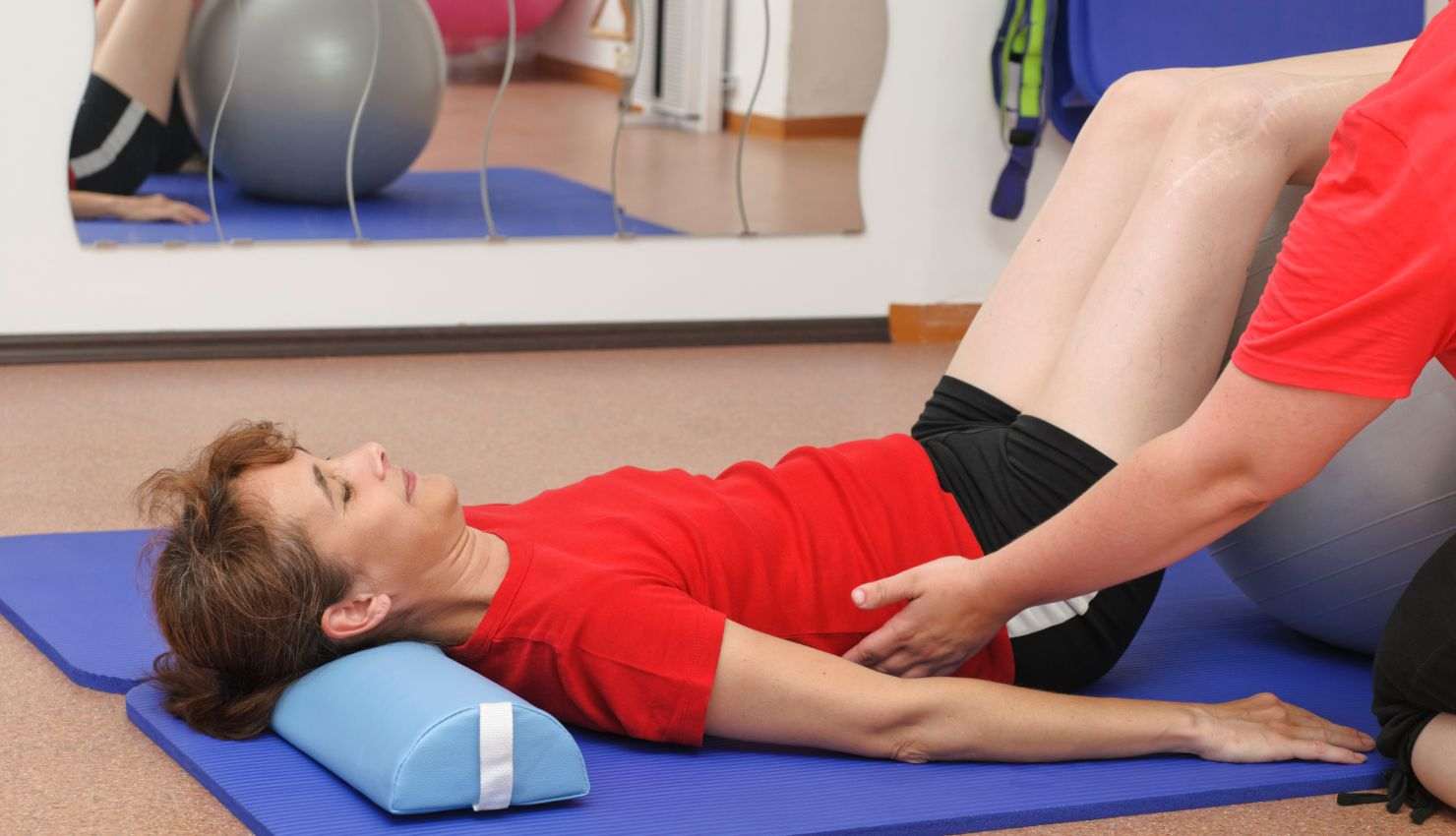
Stress-related injuriessuch as repetitive strain injuries, tension-related pain, or overuse syndromesoften stem from chronic muscle tension, poor posture, mental stress, or repetitive motions. Movement therapy offers a holistic, body-aware approach to healing these injuries by combining physical rehabilitation with techniques that promote mind-body integration, relaxation, and efficient movement.
?? What Are Stress-Related Injuries?
These injuries often result from chronic muscle tension or repetitive activity under stress, and may include:
Neck and shoulder tension
Lower back pain
Tension headaches
Repetitive strain injuries (RSI) like carpal tunnel or tendinitis
Temporomandibular joint (TMJ) dysfunction
Stress fractures or chronic inflammation from overuse
Emotional and psychological stress can exacerbate these issues by causing muscle guarding, shallow breathing, and altered movement mechanics.
?? How Movement Therapy Helps
Movement therapy addresses both the physical and psychological contributors to stress-related injuries. It focuses on:
Goal How It Helps
Releasing muscle tension Reduces pain and improves circulation
Restoring healthy movement patterns Prevents reinjury and postural compensation
Enhancing body awareness Helps identify and correct stress-related holding patterns
Improving breathing and relaxation Supports nervous system regulation and tension release
Building resilience and mobility Improves joint function, coordination, and movement efficiency
?? Key Movement Therapy Techniques
1. Gentle Mobility & Stretching
Neck rolls, shoulder shrugs, spinal twists
Helps reduce accumulated tension from prolonged stress
2. Somatic Exercises & Feldenkrais Method
Focus on slow, mindful movements to restore normal neuromuscular function
Ideal for releasing long-held tension in areas like the neck, jaw, or hips
3. Breath-Integrated Movement
Yoga-based or Pilates-informed breathing exercises
Diaphragmatic breathing paired with movement helps reduce sympathetic overdrive
4. Myofascial Release & Self-Massage
Foam rolling, massage balls for tension points (e.g., traps, glutes, forearms)
Supports tissue relaxation and blood flow
5. Postural Training
Re-training upright alignment through dynamic movement (e.g., wall slides, chin tucks, pelvic tilts)
Corrects chronic misalignment linked to stress and sedentary habits
6. Low-Impact Strengthening
Functional exercises (e.g., bridges, scapular retractions, mini-squats) to build muscular endurance without strain
Prevents fatigue-related poor mechanics
????? Movement-Based Mindfulness Approaches
Tai Chi / Qigong: Slow, meditative movements that improve energy flow and reduce nervous system tension
Yoga Therapy: Combines stretching, breathing, and body awareness to restore balance
Alexander Technique: Focuses on conscious movement and reducing unnecessary muscular effort
? Sample Routine for Stress-Related Neck & Shoulder Pain
Exercise Duration/Reps Purpose
Neck stretches (ear to shoulder, chin tuck) 30 sec per side Release neck tension
Shoulder blade squeezes 2 sets of 10 Strengthen postural muscles
Diaphragmatic breathing 35 minutes Calm nervous system
Wall angels 10 slow reps Improve upper body posture
Foam rolling upper back 12 minutes Release myofascial tension
?? Safety and Customization
Movements should be gentle, slow, and pain-free
Focus on quality, not quantity of movement
Stop or adjust if pain worsens
Work with a movement therapist or physiotherapist for chronic or complex cases
?? Who Can Benefit?
Office workers or students with posture-related pain
Athletes dealing with overuse injuries
Caregivers, healthcare workers, and others under chronic physical and emotional stress
Individuals with tension headaches, TMJ issues, or fibromyalgia
?? Summary
Movement therapy effectively supports the healing and prevention of stress-related injuries by:
Releasing muscular tension
Restoring balanced posture and movement patterns
Reducing physical symptoms of emotional stress
Encouraging mindful, restorative movement to support whole-body resilience