Movement therapy is an effective, proactive approach to injury prevention for active adult…

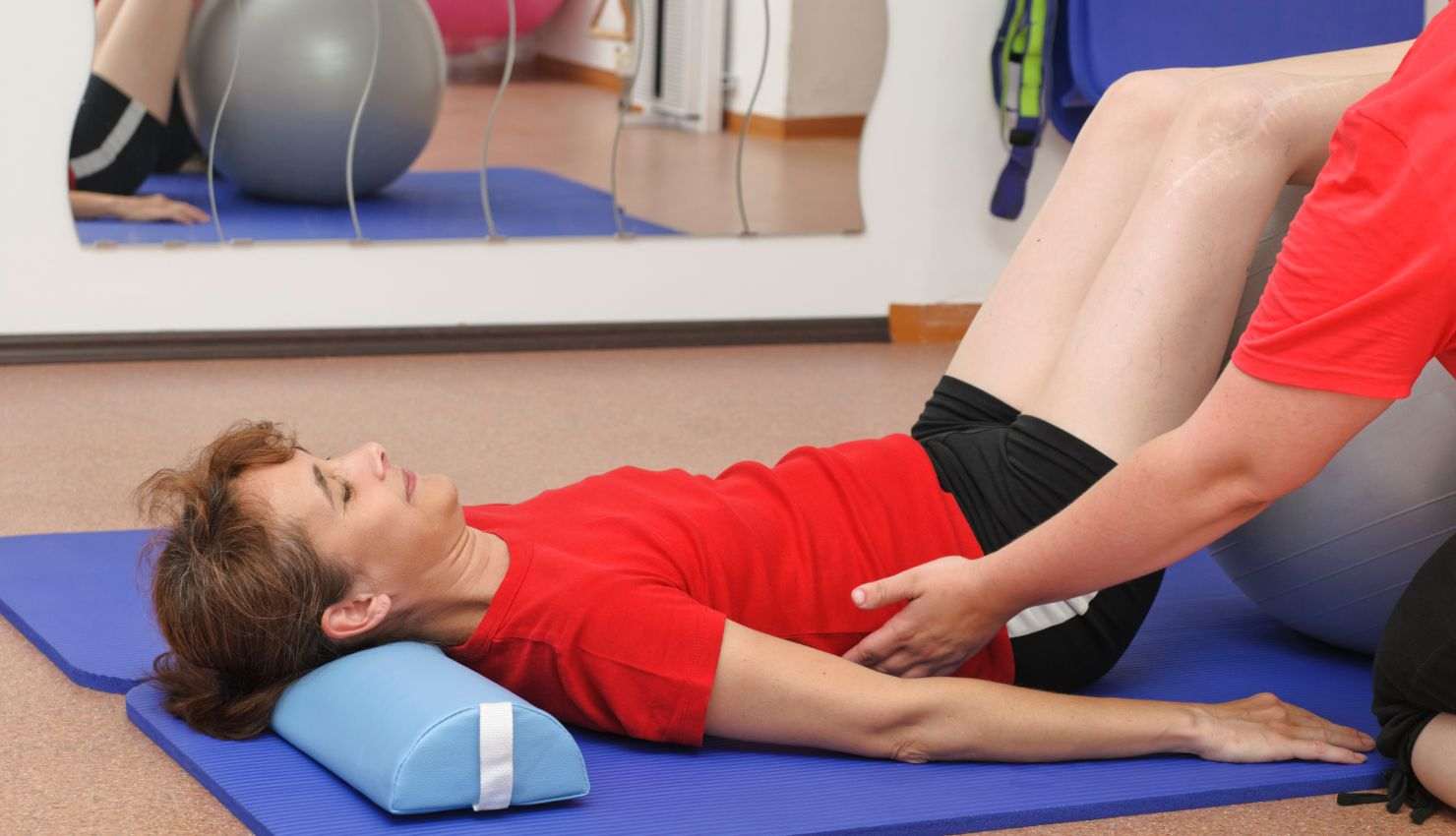
Movement therapy is an effective, proactive approach to injury prevention for active adults who regularly engage in sports, fitness, or recreational activities. It focuses on correcting dysfunctional movement patterns, improving joint mobility and muscle balance, and building better body awarenessall of which reduce the risk of common sports-related injuries.
?? Why Sports Injuries Happen in Active Adults
Even experienced athletes and fitness enthusiasts face injury risks due to:
Poor movement mechanics or compensation patterns
Muscle imbalances or weakness
Inadequate mobility or flexibility
Fatigue and overtraining
Improper warm-up or cool-down routines
Age-related changes in tissue elasticity and recovery speed
? How Movement Therapy Prevents Injuries
Key Area Injury Prevention Benefit
Improved mobility Reduces joint restrictions that cause compensatory movements
Stability and control Enhances support around joints to prevent sprains and dislocations
Muscle activation Ensures correct muscles fire during movement to avoid overuse injuries
Motor pattern retraining Teaches efficient, safe movement under load or speed
Balance and proprioception Prevents falls, ankle rolls, and joint misalignments
Functional movement screening Identifies risk factors before they lead to injury
?????? Common Sports Injuries Prevented
Movement therapy can help prevent:
ACL tears and knee ligament injuries
Shoulder impingement and rotator cuff strains
Ankle sprains and Achilles tendinopathy
Hip flexor/groin strains
Low back pain from poor posture or core instability
Overuse injuries like runners knee or tennis elbow
?? Movement Therapy Strategies for Injury Prevention
Dynamic Mobility Drills
Prepares the body for movement and reduces joint stiffness
Example: Leg swings, thoracic spine rotations, hip openers
Muscle Activation Exercises
Targets underactive muscles like glutes, deep core, or rotator cuff
Example: Glute bridges, banded walks, scapular retraction drills
Movement Pattern Training
Improves efficiency of squats, lunges, jumps, and rotational movements
Example: Bodyweight squats with form correction, step-down drills
Balance and Stability Work
Builds proprioception and joint support for rapid movement changes
Example: Single-leg balance, wobble board work, lateral bounds
Controlled Eccentric Loading
Enhances tendon strength and injury resilience
Example: Slow lowering in hamstring curls or calf raises
Recovery-Focused Sessions
Uses mobility flows and myofascial release to prevent tightness buildup
Example: Foam rolling, mobility circuits, yoga-based recovery flows
?? The Role of Movement Education
Movement therapy emphasizes body awareness and self-correction, empowering athletes to:
Recognize when a movement feels off
Adjust posture or load distribution
Avoid pushing through pain
Use breath and core engagement during physical effort
??? Weekly Injury Prevention Routine (Sample)
Day Focus Activity
Monday Mobility + activation Dynamic warm-up, glute/core work
Wednesday Strength + movement retraining Functional lifts, eccentric control
Friday Balance + stability Single-leg work, agility drills
Saturday Recovery + flexibility Myofascial release, yoga, slow movement flow
Daily (short) Movement breaks Neck, spine, shoulder, and hip mobility work
?? Who Benefits Most?
Runners, cyclists, and endurance athletes
Recreational and competitive team sport players
CrossFitters, gym-goers, and weightlifters
Weekend warriors and middle-aged adults returning to sport
Individuals with prior injuries wanting to avoid re-injury
? Summary
Movement therapy is a smart and sustainable way for active adults to:
Avoid common injuries
Maintain performance longevity
Move better and with more confidence
Stay active and pain-free