hip replacement surgery is a major orthopedic procedure designed to relieve pain and resto…

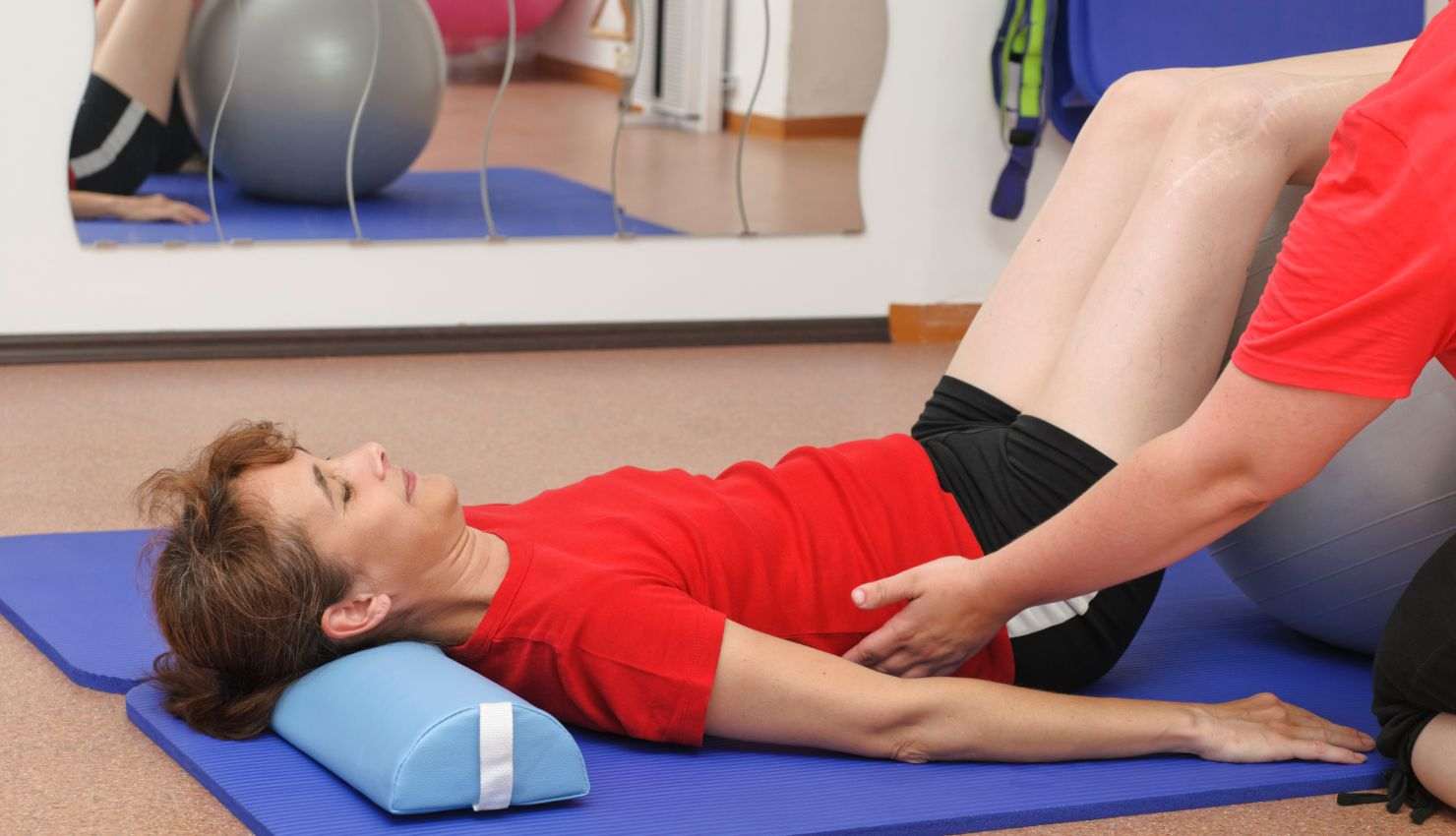
hip replacement surgery is a major orthopedic procedure designed to relieve pain and restore function in people with severe hip damage. After surgery, movement therapy plays a crucial role in the healing process by promoting mobility, reducing stiffness, strengthening surrounding muscles, and helping patients return to normal activities safely and confidently.
?? Why Movement Therapy Is Essential Post-Hip Replacement
Prevents joint stiffness and scar tissue formation
Restores hip range of motion
Strengthens weakened muscles (glutes, quads, hamstrings)
Improves balance and gait
Reduces the risk of post-surgical complications like blood clots
Supports long-term joint health and functional independence
? Goals of Movement Therapy After Hip Replacement
Restore functional mobility and range of motion
Rebuild muscle strength and joint stability
Improve balance and proprioception
Train safe movement patterns (e.g., sitting, walking, stair use)
Facilitate a return to daily and recreational activities
?? Phases of Recovery with Movement Therapy
?? Phase 1: Immediate Post-Surgery (Days 17)
Focus: Gentle movement, circulation, and basic mobility
Techniques:
Ankle pumps to promote circulation
Bed-supported heel slides (knee and hip bending)
Seated knee extensions
Safe walking with assistive devices (walker/crutches)
?? Phase 2: Early Recovery (Weeks 26)
Focus: Regain strength, posture, and range of motion
Techniques:
Standing hip abductions and extensions (with support)
Seated marches
Glute bridges (if permitted)
Gait training and posture alignment
?? Phase 3: Functional Rehabilitation (Weeks 612+)
Focus: Improve balance, coordination, and functional movement
Techniques:
Step-ups and heel-toe walking
Balance exercises (e.g., single-leg stance)
Resistance band exercises for hips and thighs
Deep core strengthening and pelvic stability work
?? Key Movement Therapy Techniques for Hip Recovery
Technique Benefit Example Exercise
Range of Motion Drills Reduce stiffness and improve mobility Heel slides, hip abduction glides
Muscle Activation Re-engage dormant muscles Glute squeezes, quad sets
Balance and Proprioception Prevent falls and enhance stability Tandem stance, weight shifts
Gait Re-education Promote safe and efficient walking Heel-to-toe walking, mirror feedback
Functional Training Support return to daily activities Sit-to-stand practice, stair stepping
?? Sample Daily Recovery Routine (Week 26)
Always follow your surgeon or physical therapists guidelines.
Warm-Up (3 min)
Ankle pumps
Deep breathing with shoulder rolls
Mobility (5 min)
Heel slides (10 reps)
Seated hip abduction (10 reps)
Strength (7 min)
Glute squeezes (10 x 5-sec holds)
Standing hip extensions (10 reps each side)
Step touches (side to side, slow pace)
Balance (3 min)
Standing weight shifts side to side
Mini single-leg stance with chair support
Cool Down (2 min)
Seated hamstring stretch
Gentle torso twist (if comfortable)
?? Safety Guidelines
Avoid crossing legs or twisting the hip during early recovery
Dont bend the hip more than 90° in early stages (posterior approach)
Use assistive devices as recommended
Progress exercises graduallypain and swelling are signs to scale back
Consult your PT before adding resistance or advanced balance work
?? Benefits of Movement Therapy After Hip Surgery
Faster recovery and return to independence
Improved joint function and long-term implant success
Reduced pain, stiffness, and risk of re-injury
Greater confidence in walking, bending, and climbing stairs