Recovery from hip surgerywhether its a total hip replacement, hip resurfacing, or arthro…

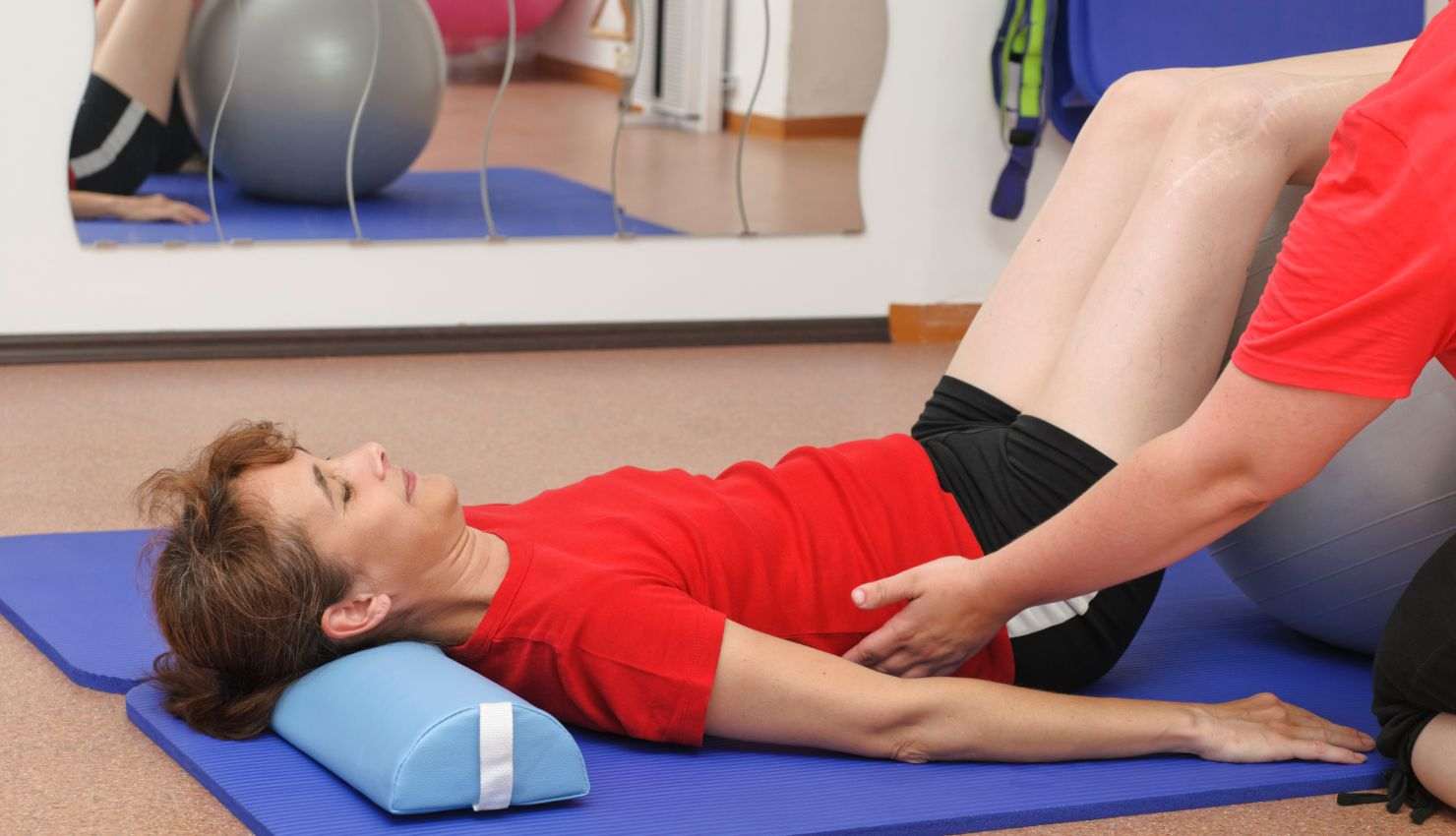
Recovery from hip surgerywhether its a total hip replacement, hip resurfacing, or arthroscopyrequires a well-structured plan to restore strength, flexibility, and mobility. Movement therapy plays a key role in this recovery process by using gentle, functional exercises that help rebuild movement patterns, reduce pain, and support long-term joint health.
Unlike aggressive rehabilitation approaches, movement therapy prioritizes safe, mindful motion that respects the bodys healing timeline while targeting stiffness, muscle imbalances, and gait abnormalities common after hip surgery.
?? Why Hip Pain Persists After Surgery
Even after successful surgery, many patients experience:
Muscle weakness (especially glutes, hip flexors, adductors)
Scar tissue and fascial restrictions
Limited range of motion in the hip joint
Altered gait patterns or imbalance
Protective movement habits (guarding)
Pelvic instability or poor posture
Movement therapy gently addresses these limitations through progressive, patient-specific movement plans.
?? How Movement Therapy Supports Post-Surgical Hip Recovery
? 1. Restores Range of Motion Gradually
Mobilization exercises encourage joint movement within safe limits, reducing stiffness without putting stress on the healing tissues.
Examples:
Supine hip abduction and adduction
Gentle seated hip external/internal rotations
Passive-assisted range of motion with a strap or towel
? 2. Strengthens Supporting Muscles
Movement therapy focuses on functional strengthening of key stabilizers like the gluteus medius, core, and pelvic floor to support hip movement.
Examples:
Glute bridges (progressing from two legs to single-leg)
Standing hip extensions with light resistance
Seated or side-lying clamshells
? 3. Retrains Gait and Weight Transfer
After surgery, patients often compensate when walking. Movement therapy includes weight shifting, posture drills, and walking pattern corrections to ensure proper hip mechanics.
Techniques:
Heel-to-toe walking
Step-and-hold balance drills
Use of mirrors or tactile cues for feedback
? 4. Releases Soft Tissue Restrictions
Gentle mobility and fascial release movements reduce pain and tension in the hip flexors, IT band, and lower back.
Examples:
Pelvic tilts
Cat-cow for lumbar-hip connection
Floor-based or chair-supported spinal twists
? 5. Incorporates Mind-Body Practices
Movement therapy includes breathwork and mindful movement, which help reduce muscle guarding, improve awareness, and promote healing.
Practices like:
Controlled diaphragmatic breathing during motion
Slow, rhythmic leg movements with breath cues
Guided body scans and relaxation during cooldown
?? Sample Post-Hip Surgery Movement Therapy Routine (1520 Minutes)
(Always follow your surgeon or physical therapists guidance on post-op movement restrictions and timelines.)
Seated breathwork + posture alignment (2 mins)
Ankle pumps + quad sets (for circulation and control) (3 mins)
Heel slides + gentle hip abduction (supine) (34 mins)
Standing weight shifts + mini squats (chair-supported) (34 mins)
Glute bridges + seated leg lifts (3 mins)
Cool-down: cat-cow, spinal twist, and breath-based release (34 mins)
?? Key Benefits of Movement Therapy After Hip Surgery
Reduces post-operative stiffness and discomfort
Promotes joint lubrication and blood flow
Rebuilds strength and stability in the hip and pelvis
Enhances balance and walking ability
Supports safe return to daily activity
Reduces risk of future falls or compensatory injuries
?? Tips for Safe Practice
Avoid movements that cause sharp pain
Respect post-surgical movement precautions (especially avoiding dislocation positions early on)
Start slow and progress only with medical approval
Use support tools like chairs, cushions, or handrails
Stay consistent with short, frequent sessions