Why Movement Therapy Helps with Tension and Stress: Stress often causes muscles to tighten…

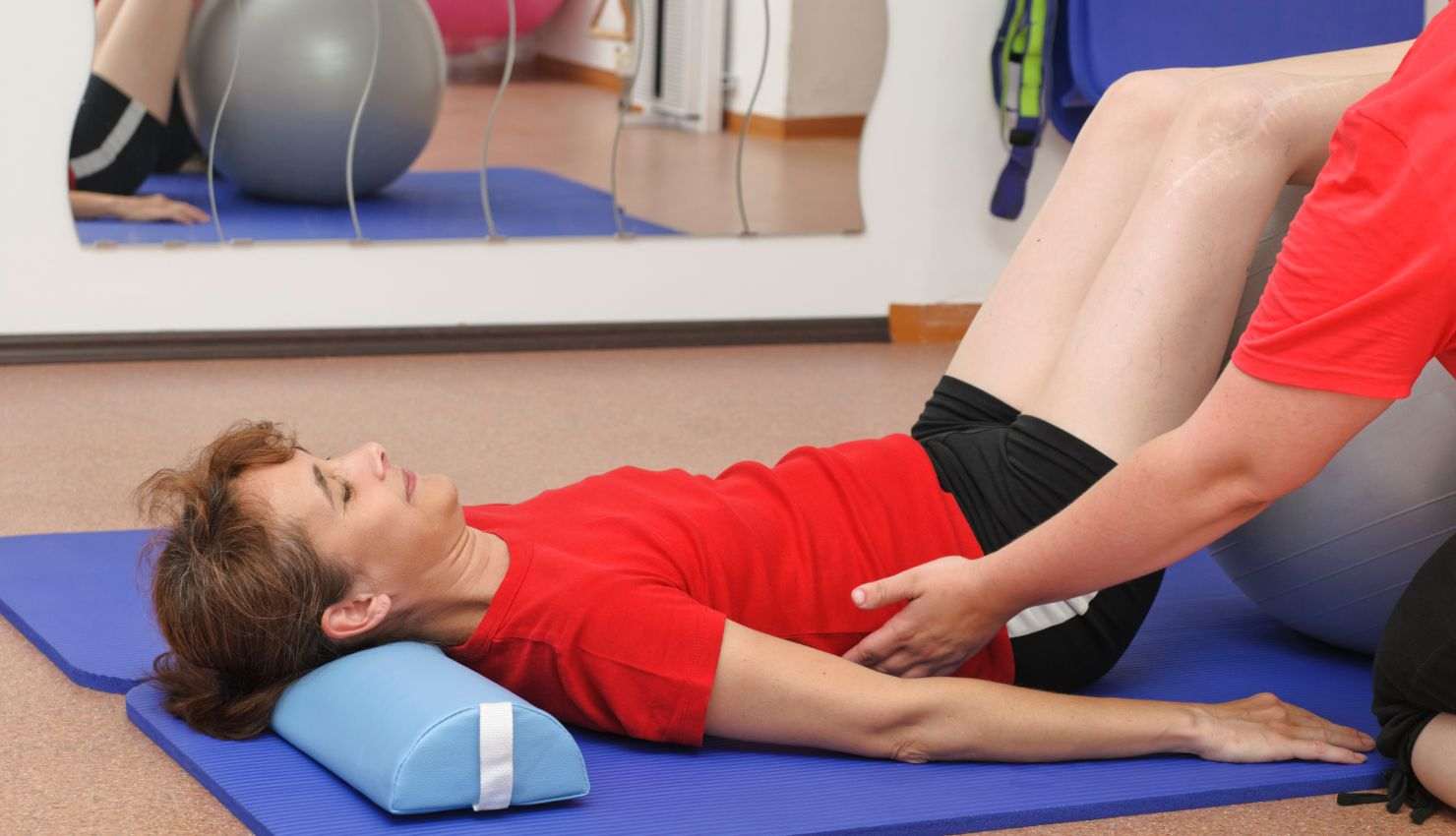
Why Movement Therapy Helps with Tension and Stress:
Stress often causes muscles to tighten, leading to discomfort and pain.
Movement encourages relaxation by increasing blood flow and releasing muscle tightness.
It helps regulate the nervous system, shifting from fight or flight to a calm state.
Promotes mindfulness and body awareness, reducing mental stress.
How Movement Therapy Reduces Tension and Stress:
1. Gentle Stretching and Mobility
Releases tight muscles in areas like the neck, shoulders, and back.
Examples: Neck rolls, shoulder shrugs, cat-cow stretches.
2. Breath-Integrated Movement
Combines deep, slow breathing with movement to enhance relaxation.
Encourages diaphragmatic breathing to calm the nervous system.
3. Mindful Movement Practices
Focus on slow, controlled motions with attention to body sensations.
Includes practices like tai chi, yoga, or guided movement sequences.
4. Progressive Muscle Relaxation Through Movement
Alternating muscle tension and release during exercises.
Helps identify and alleviate held tension.
Sample Movement Therapy Routine to Reduce Stress and Tension
Neck stretches and rolls gentle, slow movements for 1-2 minutes
Cat-cow stretch 10 slow reps focusing on breath coordination
Shoulder shrugs and rolls 10 reps each
Diaphragmatic breathing while seated or lying down 5 minutes
Gentle hip and lower back stretches hold 20-30 seconds each
Slow, mindful walking or sway movements 5 minutes
Tips for Best Results:
Practice regularly, even short sessions daily.
Focus on breathing throughout all movements.
Create a calm environmentquiet, comfortable space.
Pair movement therapy with other stress management tools like meditation.