Post-traumatic stress (PTS) and post-traumatic stress disorder (PTSD) are conditions that…

Post-traumatic stress (PTS) and post-traumatic stress disorder (PTSD) are conditions that affect both the mind and the body. Trauma can live in the nervous system and physical tissues, often causing chronic tension, restricted movement, hyperarousal, and disconnection from the body.
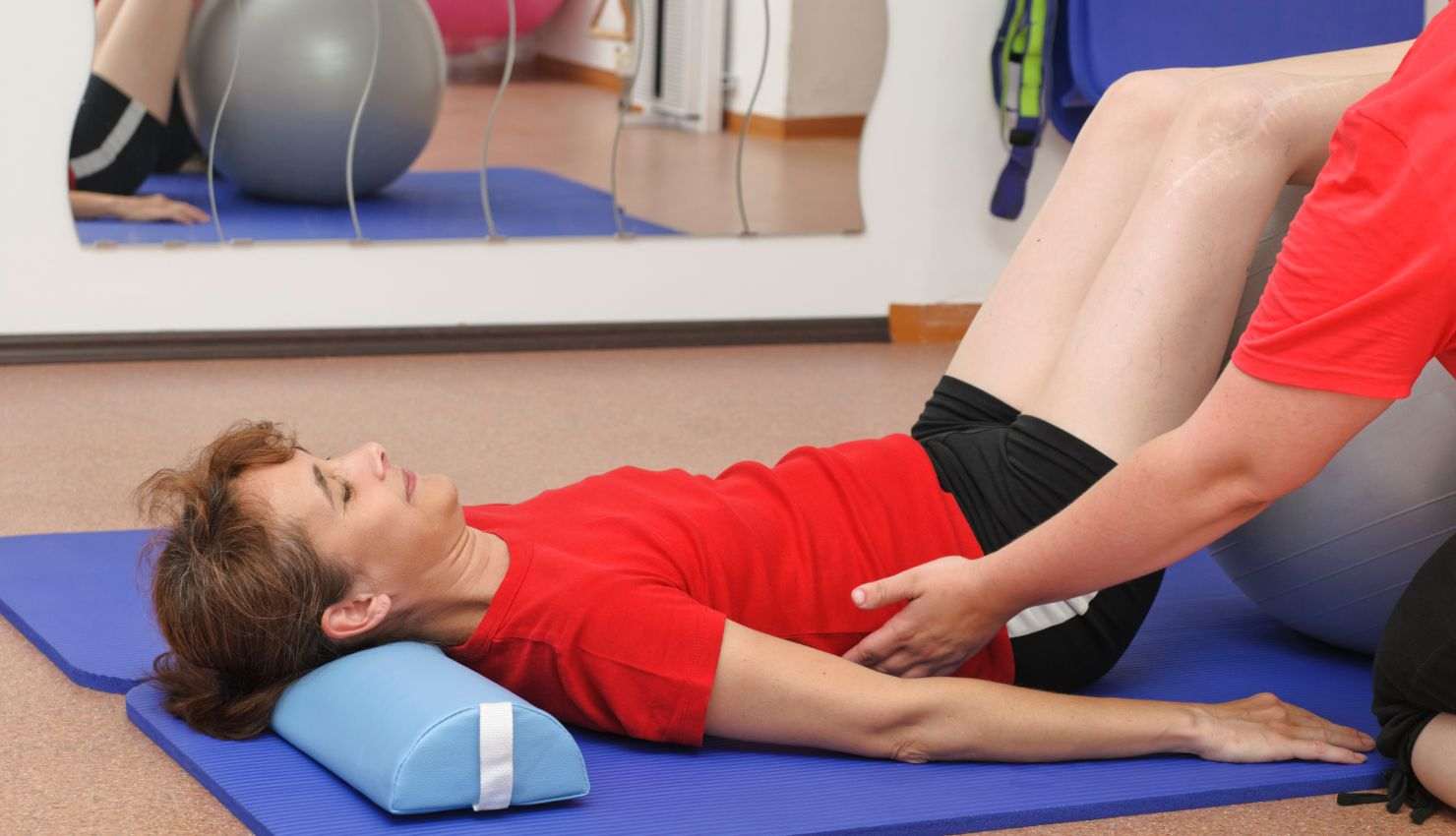
Movement therapy provides a powerful, body-based approach to healing trauma by gently reconnecting individuals to their physical selves, releasing stored tension, and supporting emotional regulation.
How Trauma Affects the Body
After a traumatic event, the body may remain stuck in a fight, flight, or freeze state. This can result in:
Muscular tightness or guarding
Disrupted posture and breathing
Chronic pain or fatigue
Hypervigilance or dissociation
Difficulty sleeping or relaxing
These physiological symptoms can persist even when the mind understands the trauma is in the past.
The Role of Movement Therapy in Healing Trauma
Movement therapy works by helping individuals:
Reconnect safely with their body
Develop awareness of internal sensations (interoception)
Release stored physical tension
Regulate the nervous system
Build feelings of safety, strength, and control
Movement Therapy Approaches for Trauma Recovery
1. Grounding and Centering Exercises
These promote a sense of stability and presence in the body.
Examples:
Feeling the feet on the floor while seated or standing
Gentle weight shifts side to side
Focused breathing with hand on the chest or belly
Benefits: Creates a sense of here and now safety and reduces dissociation.
2. Somatic Movement and Body Awareness
Trauma can numb body awareness or cause discomfort in being present in the body. Slow, mindful movements help restore a safe connection.
Examples:
Rolling through the spine (cat-cow)
Arm sweeps with breath coordination
Sensory scanning (moving attention through body parts)
Benefits: Builds trust in body sensations and increases self-regulation.
3. Breath and Movement Integration
Trauma often disrupts normal breathing patterns. Combining movement with breath helps relax the nervous system and encourages parasympathetic activation.
Examples:
Rhythmic breathing with stretching
Breath-led gentle yoga (e.g., childs pose, forward fold)
Exhale-focused movement to release tension
Benefits: Reduces anxiety, calms the body, and improves emotional regulation.
4. Expressive and Creative Movement
Sometimes trauma is nonverbal and stored somatically. Dance, free movement, or gentle expressive exercises allow for release and emotional exploration.
Examples:
Trauma-informed dance therapy
Free-form movement to music
Movement journaling (matching motion to mood)
Benefits: Encourages self-expression and emotional processing without needing words.
5. Postural Repatterning and Strength-Building
Trauma may cause defensive postures like hunching or closing off. Movement therapy helps restore open, strong posture that reflects empowerment.
Examples:
Open chest stretches
Grounded standing poses (e.g., Warrior Pose, lunges)
Core and lower body strengthening with control
Benefits: Rebuilds physical confidence and a sense of agency.
Therapeutic Principles to Follow
Safety first: Always start slow and in a trauma-informed setting.
Choice-based: Empower the individual to decide how much to do.
Non-judgmental: Focus on awareness, not performance.
Consistent and gentle: Repetition helps build safety and integration.
Guided support: Work with trained professionals when needed (e.g., somatic therapists, trauma-informed yoga teachers, or movement therapists).
Who Benefits from Movement Therapy for Trauma?
Survivors of abuse or assault
Veterans or first responders
People with PTSD or complex trauma
Individuals with chronic stress or emotional dysregulation
Anyone experiencing a disconnection between body and mind
Conclusion
Movement therapy offers a profound path to trauma recovery by gently reuniting the body and mind. Through intentional, mindful, and expressive movement, individuals can release stored tension, regain a sense of control, and build a new relationship with their body rooted in strength, safety, and resilience.