Movement Therapy for Restoring Mobility After an Injury After an injury, restoring mobili…

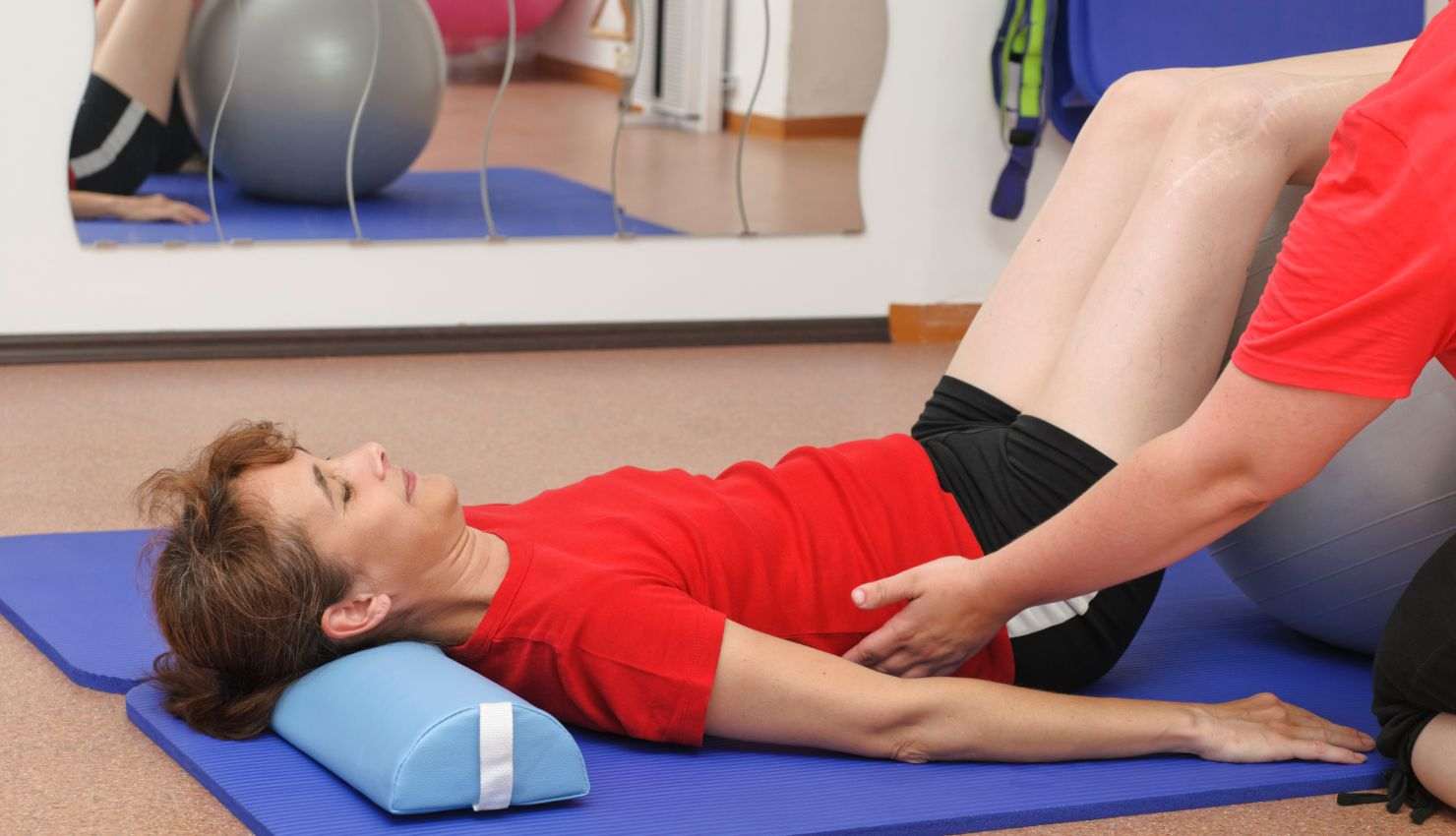
Movement Therapy for Restoring Mobility After an Injury
After an injury, restoring mobility is a crucial step toward full recovery and returning to daily activities or sports. Movement therapy provides a structured, safe approach to gently reintroduce motion, rebuild strength, and retrain coordinationhelping the body heal effectively without causing further damage.
1. Start with Pain-Free, Gentle Movement
Early movement focuses on reducing stiffness and preventing joint or muscle tightness.
Encourages small, controlled range-of-motion exercises within pain limits.
Prevents complications like scar tissue buildup and loss of flexibility.
Example: Ankle circles after a sprain or gentle shoulder pendulum swings post-dislocation.
2. Gradual Progression to Strengthening and Stability
Once basic mobility returns, therapy emphasizes strengthening muscles that support the injured area.
Focus on controlled, low-impact exercises that rebuild muscle endurance and joint stability.
Improves functional movement patterns necessary for daily life.
Example: Quadriceps sets and heel slides after knee surgery.
3. Neuromuscular Re-education
Injury can disrupt the connection between the brain and muscles.
Movement therapy retrains coordination, balance, and proprioception to restore smooth, efficient movement.
Prevents compensations that might cause new injuries.
? Example: Balance exercises on unstable surfaces or guided movement patterns.
4. Addressing Postural and Biomechanical Factors
Injuries often lead to altered posture or movement habits to avoid pain.
Movement therapy helps correct these imbalances to promote better alignment and reduce strain.
Supports long-term injury prevention.
5. Incorporating Functional Movements
Therapy integrates real-life movement tasks (e.g., walking, bending, lifting) to ensure the body regains practical mobility.
Focuses on improving confidence and safety during these activities.
6. Emphasizing Consistency and Patience
Recovery varies by injury severity; progress should be gradual and steady.
Consistent daily movement practice encourages better outcomes and reduces risk of setbacks.