Foot injuriessuch as sprains, fractures, plantar fasciitis, or tendonitiscan significant…

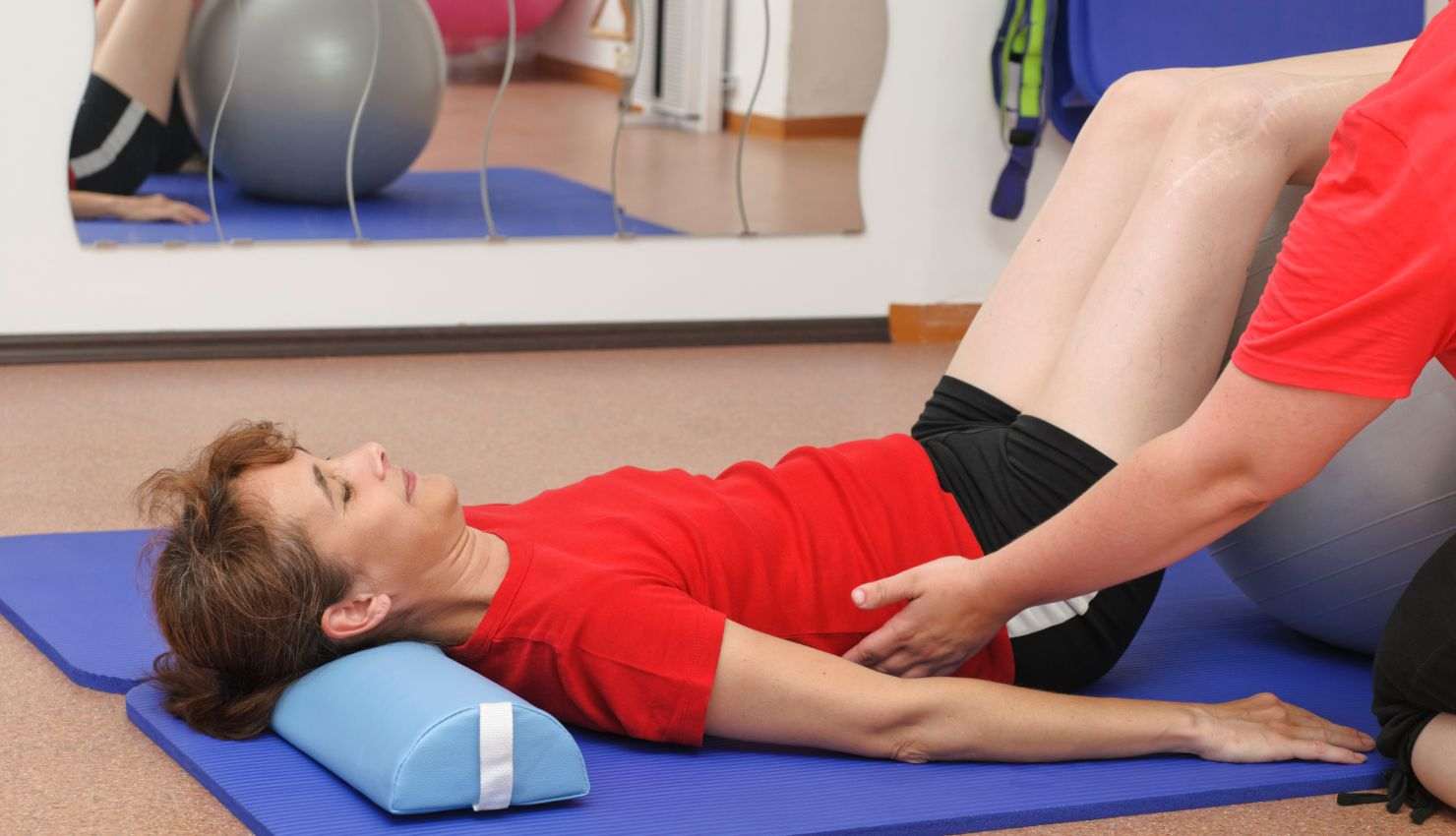
Foot injuriessuch as sprains, fractures, plantar fasciitis, or tendonitiscan significantly disrupt mobility, balance, and weight-bearing function. Movement therapy plays a crucial role in restoring normal function, strength, and stability after such injuries. It uses controlled, progressive movement to rehabilitate the foot and reintegrate it into functional activity.
?? Common Foot Injuries That Benefit from Movement Therapy
Ankle sprains and instability
Metatarsal or heel fractures
Achilles tendonitis
Plantar fasciitis
Turf toe or toe dislocations
Post-surgical foot recovery
? Goals of Movement Therapy for Foot Injury Recovery
Goal How It Helps
Restore range of motion Reduces stiffness and supports full foot articulation
Improve weight-bearing capacity Prepares the foot for walking, standing, and activity again
Rebuild muscle strength Targets intrinsic foot muscles, ankle stabilizers, and calf
Enhance balance and proprioception Reduces risk of re-injury through neuromuscular retraining
Normalize gait and function Corrects walking mechanics and promotes symmetrical movement
Reduce pain and inflammation Uses motion to improve circulation and tissue healing
?? Phases of Movement Therapy for Foot Injuries
1. Acute Phase (02 weeks post-injury or surgery)
Goals: Reduce pain, swelling, and protect healing tissue
Therapy: Gentle range of motion (ROM), elevation, compression, non-weight-bearing mobility
2. Subacute Phase (26 weeks)
Goals: Reintroduce motion and light strength
Therapy: Ankle alphabet, towel scrunches, resistance band foot flexion/extension, partial weight-bearing exercises
3. Recovery Phase (612 weeks)
Goals: Build strength, balance, and proper gait
Therapy: Heel/toe raises, balance board training, walking drills, stair navigation
4. Return to Function Phase
Goals: Restore endurance, coordination, and dynamic movement
Therapy: Hopping drills, agility steps, return to sports or full activity
?? Sample Movement Therapy Exercises for Foot Recovery
Exercise Purpose
Toe curls with towel Strengthens foot arch and toes
Ankle alphabet Improves mobility and proprioception
Resistance band plantarflexion Builds calf and foot muscle strength
Heel-to-toe walking Retrains balance and gait
Single-leg stance Develops stability and postural control
Calf raises (seated/standing) Enhances lower leg endurance
Step-ups or mini lunges Restores functional leg-foot coordination
?? Importance of Proprioception in Foot Recovery
Movement therapy emphasizes proprioceptive retraining, which helps the brain reconnect with the foot after injury. This reduces instability and prevents re-injuryparticularly in cases like ankle sprains.
Common tools:
Balance pads
Wobble boards
Mirror feedback
Eyes-closed stability drills
????? When to Begin Movement Therapy?
Begin under guidance of a physiotherapist once cleared for movement post-injury or surgery.
Avoid rushing into high-impact activity without adequate strength and control.
? Summary
Movement therapy restores normal function after foot injuries by:
Improving mobility, strength, and coordination
Rebuilding confidence in weight-bearing and walking
Enhancing foot mechanics and preventing future injury
Supporting a smooth return to daily and recreational activities