Movement therapy offers a highly effective, gentle-yet-progressive approach to strengthen…

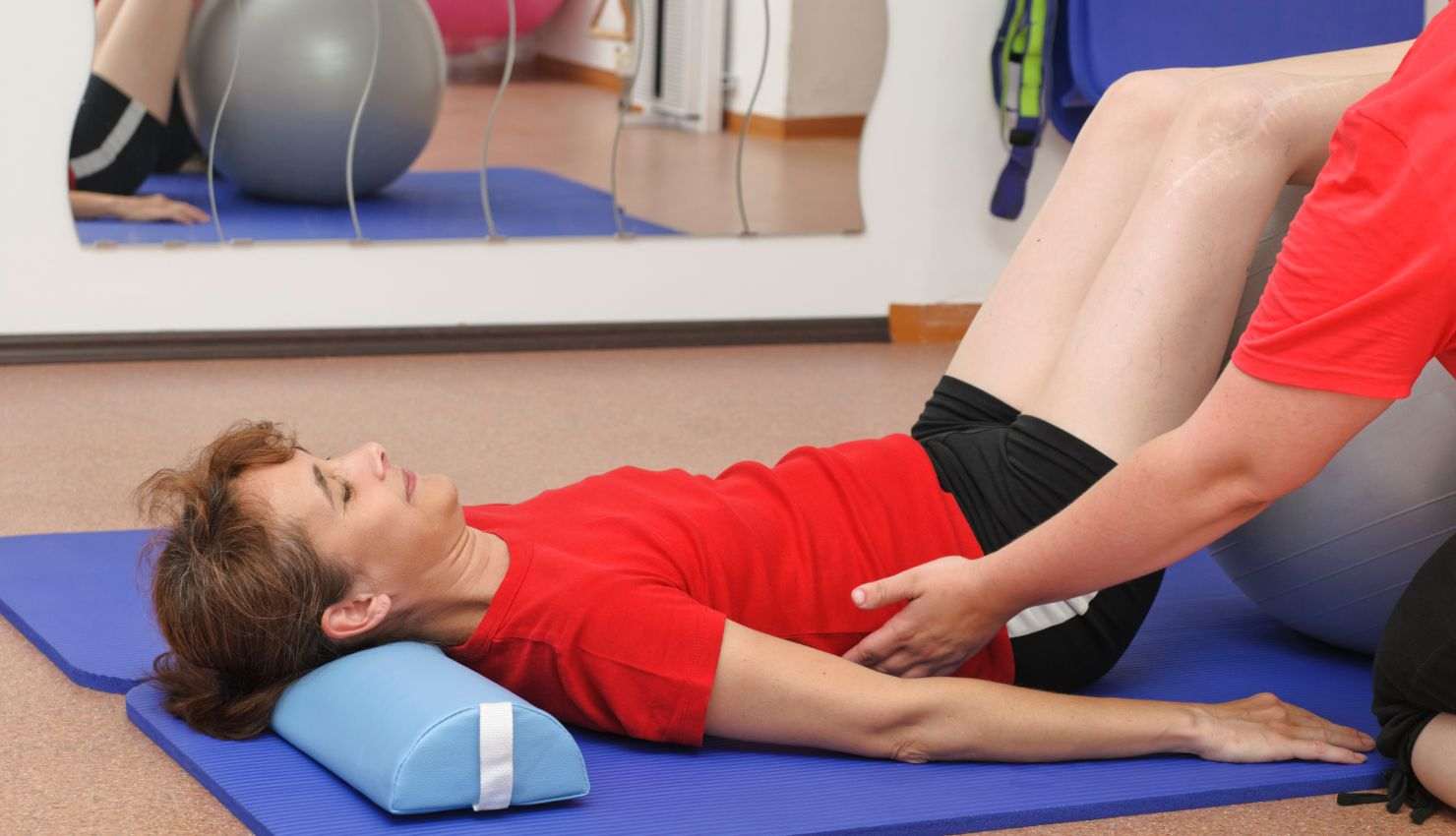
Movement therapy offers a highly effective, gentle-yet-progressive approach to strengthen and tone the core musclesnot just the abs, but also the deeper stabilizers that support posture, balance, and total-body strength. Unlike conventional ab workouts that focus on crunches or isolated movements, movement therapy emphasizes functional integration, breath awareness, and neuromuscular control, which leads to more sustainable results and a lower risk of injury.
?? What Is the Core?
The core includes more than just visible abdominal muscles. It comprises:
Transverse abdominis (deep stabilizer)
Rectus abdominis (six-pack muscle)
Obliques (side of the torso)
Pelvic floor muscles
Diaphragm (breathing muscle)
Multifidus and spinal erectors (support the spine)
Glutes and hip stabilizers
Movement therapy activates all these areas in harmony, promoting a strong, balanced center.
?? How Movement Therapy Strengthens the Core
Method Benefit
Mindful muscle activation Improves connection to deep stabilizers like the transverse abdominis
Controlled, functional movement Trains the core in real-life movement patterns (twisting, reaching, etc.)
Breath and posture integration Uses the diaphragm and pelvic floor for inner core activation
Progressive overload with stability Builds strength while protecting the spine
Multiplanar movement Engages the core in all directions, not just flexion
?? Core Movement Therapy Techniques
? 1. Pelvic Tilts and Imprints (Floor-Based)
Teaches foundational control of the pelvis and lumbar spine.
Lie on your back, knees bent, feet flat
Inhale to arch slightly, exhale to tilt the pelvis back and flatten the low back
1012 slow, controlled reps
? 2. Dead Bug Variations
Strengthens deep core muscles while keeping the spine neutral.
Lie on back, arms and legs in tabletop
Extend opposite arm and leg while maintaining low back contact with the floor
Engage the core throughout
? 3. Bird Dog (Quadruped Stability)
Improves spinal control and cross-body coordination.
On hands and knees, extend one arm and opposite leg
Keep hips square and abs engaged
Hold for 35 seconds, repeat each side
? 4. Glute Bridge with Core Focus
Activates glutes, hamstrings, and the lower core.
Lie on back, knees bent
Press feet into the ground and lift hips slowly
Engage the core to avoid spinal overextension
? 5. Standing Core Twists
Functional rotation improves oblique strength and spinal mobility.
Stand tall with arms outstretched
Gently twist side to side from the waist
Engage the abdominals to control the range
? 6. Breath-Integrated Core Work (Diaphragmatic + 360° Core Activation)
Use breath to activate deep stabilizers.
Inhale into ribs and belly, expanding laterally
Exhale fully while drawing navel in and engaging pelvic floor
Use this breath pattern during all movements
?? Sample 15-Minute Core Movement Therapy Routine
Time Exercise Focus
03 min Diaphragmatic breathing + pelvic tilts Wake up deep core and breathing muscles
36 min Dead bugs (progressive arm/leg reaches) Controlled core activation
69 min Bird dog with slow transitions Spinal stability and balance
912 min Glute bridges with inner thigh squeeze Posterior chain and pelvic control
1215 min Standing core twists + lateral reaches Functional strength and mobility
?? Repeat 23 times per week for best results. Focus on quality, not speed.
?? Benefits of Movement Therapy for Core Strength
Benefit Result
Improved posture and alignment Reduces strain on the spine and joints
Enhanced balance and coordination Supports dynamic movement and fall prevention
Reduced back pain By offloading tension and stabilizing the lumbar spine
Stronger pelvic floor and breathing Supports continence, respiratory efficiency, and stability
Toned midsection Functional toning from inside outwithout excessive crunches
?? Tips for Success
Focus on slow, intentional movement
Breathe through each repavoid holding your breath
Engagenot gripyour muscles (especially the pelvic floor)
Work on spinal neutrality, not just flexion or extension
Modify for pain or limitations with support from a therapist or trainer
? Final Thought
Movement therapy helps you build deep, sustainable core strength that supports not just your workouts, but your posture, breathing, digestion, and balance in daily life. Its a safe, effective way to tone the midsection, reduce risk of injury, and move with more ease and power.