Strengthening the lower extremitieships, thighs, knees, calves, and anklesis essential f…

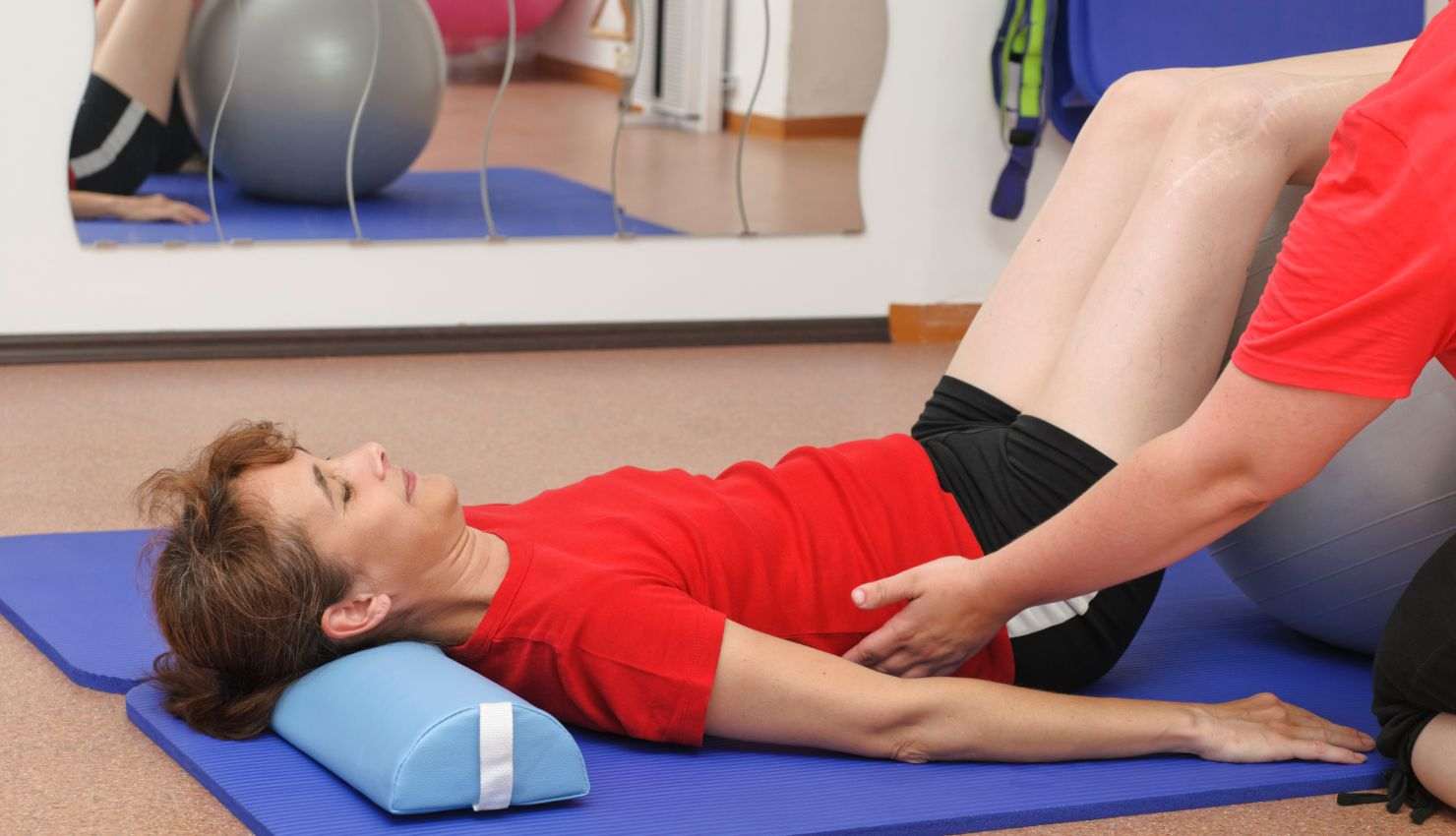
Strengthening the lower extremitieships, thighs, knees, calves, and anklesis essential for mobility, balance, stability, and overall physical function. Whether recovering from injury, managing a chronic condition, or enhancing performance, movement therapy offers a structured, progressive approach to rebuild strength and restore function in the legs.
?? Why Lower Extremity Strength Matters
Strong lower limbs are critical for:
Walking and climbing stairs
Standing from sitting or squatting
Maintaining balance and preventing falls
Athletic performance (running, jumping, cutting)
Joint protection (especially hips, knees, ankles)
Weakness in the lower body can lead to pain, instability, poor posture, and limited independence.
?? Common Reasons for Lower Extremity Weakness
Injury (e.g., ACL tear, hip fracture)
Surgery (e.g., total knee replacement)
Neurological conditions (e.g., stroke, MS)
Aging or inactivity
Arthritis or chronic joint conditions
? How Movement Therapy Helps
Movement Therapy Focus Benefits for Lower Extremities
Strength and muscle activation Rebuilds key muscles: glutes, quads, hamstrings, calves
Mobility and flexibility Restores full range of motion in hips, knees, ankles
Balance and coordination Improves control and prevents compensations
Progressive resistance training Encourages safe muscle loading and endurance
Functional pattern retraining Improves real-life movements like walking or squatting
?? Key Muscle Groups Targeted
Glutes (maximus, medius) for hip extension, abduction, and pelvic control
Quadriceps for knee extension, walking, and standing
Hamstrings for knee flexion and hip extension
Calves (gastrocnemius, soleus) for ankle control and propulsion
Hip flexors/adductors for stability, stepping, and coordination
??? Movement Therapy Exercises by Region
?? Hip Strengthening
Glute bridges
Clamshells
Side-lying leg lifts
Standing hip abduction with resistance band
?? Thigh & Knee Activation
Mini squats or sit-to-stand
Terminal knee extensions
Wall sits
Step-ups or box squats
?? Calf & Ankle Work
Heel raises (double and single leg)
Ankle alphabet (for mobility)
Resistance band plantarflexion/dorsiflexion
?? Sample Weekly Progression (Beginner to Intermediate)
Day Focus Sample Movements
Monday Glute & Hip Activation Glute bridges, clamshells, standing hip circles
Tuesday Knee & Quad Focus Sit-to-stand, mini squats, resistance band kicks
Wednesday Balance & Core Stability Single-leg stance, step-hold, bird-dog
Thursday Mobility & Flexibility Hip flexor stretch, calf stretch, ankle mobility
Friday Functional Training Day Step-ups, stair climbing, walking lunges
?? Guidelines for Safe Progression
Start with bodyweight and progress to resistance bands, weights, or machines
Emphasize controlled form over speed
Use support (e.g., wall, chair) for balance when needed
Increase reps, sets, or resistance gradually
Focus on symmetry and correct muscle activation
?? Benefits Over Time
Physical Improvements Functional Outcomes
Increased strength and endurance Better walking and standing stamina
Enhanced joint control Reduced pain and injury risk
Improved balance and agility Lower fall risk and more confident movement
More coordinated lower-body action Smoother gait, stair climbing, and transitional movements
????? Ideal for People Who:
Are recovering from leg injuries or surgeries
Have balance issues or mobility decline
Want to prevent knee, hip, or ankle pain
Are athletes or older adults improving lower-body control
Experience functional limitations in walking or standing tasks