Movement therapy offers a powerful, functional approach to strengthening the core and pelv…

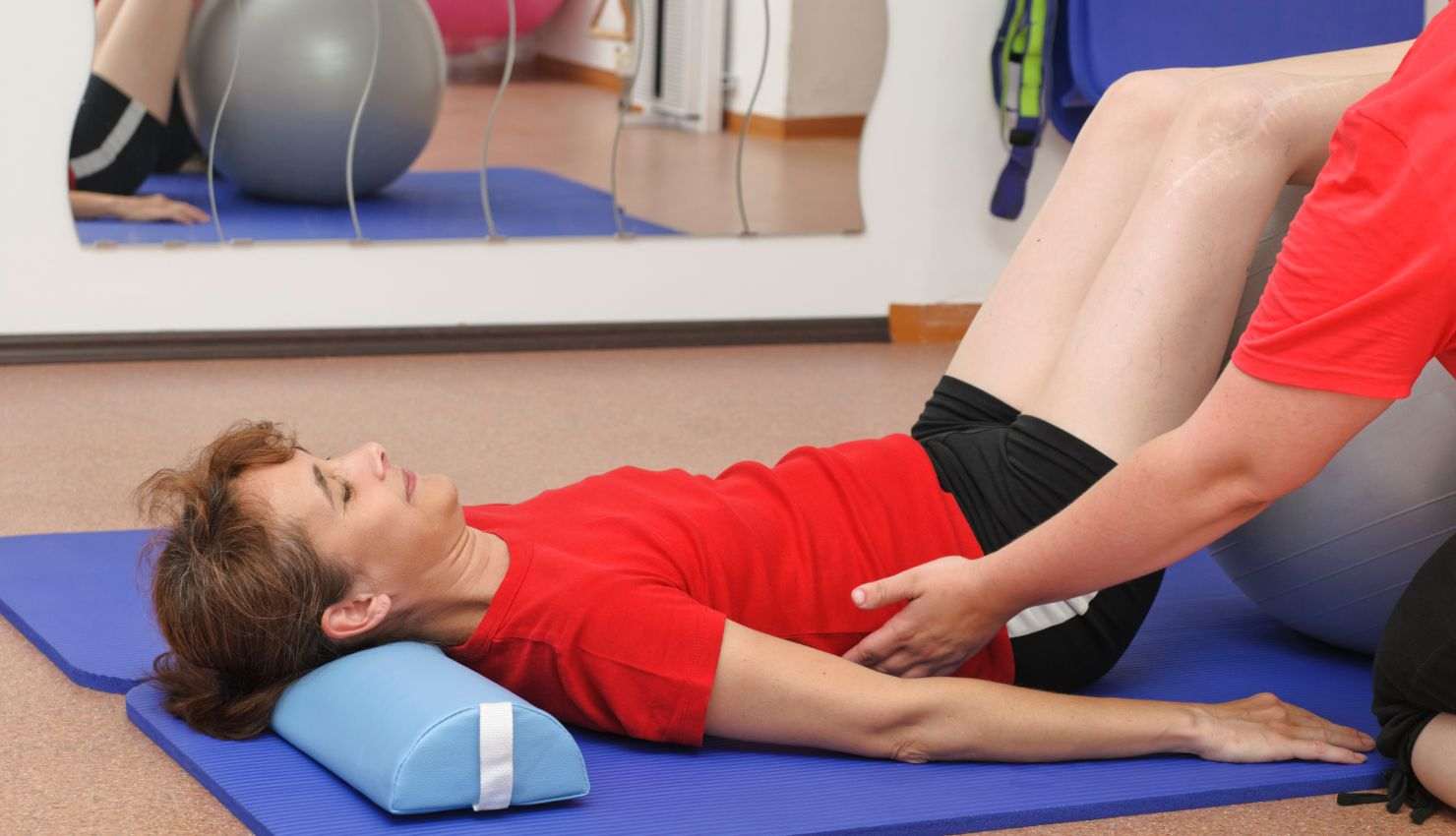
Movement therapy offers a powerful, functional approach to strengthening the core and pelvic floor, which are essential for stability, posture, injury prevention, and daily performance. Rather than isolating muscles, movement therapy integrates breathing, alignment, and purposeful movement to activate and coordinate the deep core system.
?? Understanding the Core and Pelvic Floor
The core is more than just abs. It includes:
Transverse abdominis (deep abdominal muscles)
Diaphragm (breathing muscle)
Pelvic floor muscles
Multifidus (deep spinal stabilizers)
Obliques and rectus abdominis
The pelvic floor is a group of muscles that supports the pelvic organs and connects with the diaphragm and deep core to regulate pressure and stability.
? Benefits of Core and Pelvic Floor Movement Therapy
Benefit Impact
Improves spinal and pelvic stability Reduces risk of back pain and injury
Enhances posture and alignment Promotes efficient movement and joint protection
Supports better bladder control Helps prevent or reduce incontinence
Strengthens postural endurance Essential for athletes and active individuals
Aids postpartum and post-surgical recovery Restores function after abdominal or pelvic trauma
Boosts breathing efficiency and relaxation Integrates diaphragm and nervous system regulation
????? Movement Therapy Techniques
Breath-Driven Core Activation
Focus on diaphragmatic breathing with pelvic floor engagement.
Practice: 360° Breathing (expanding the ribs and activating the pelvic floor on exhale).
Core Integration with Functional Movement
Combine core activation with full-body movements like squats, lunges, and reach patterns.
Practice: Dead bugs, bird dogs, or lunge with overhead reach while engaging pelvic floor.
Pelvic Floor Coordination Drills
Use slow, mindful contraction and release cycles.
Practice: Kegels with breath, progressing to dynamic tasks like walking or balance poses.
Dynamic Core Stability Work
Focus on anti-rotation, anti-extension, and load-resisting movements.
Practice: Pallof press, plank with limb lifts, side planks.
Spinal Mobility and Control
Teach the core to stabilize during spinal movement.
Practice: Cat-cow, seated pelvic tilts, thoracic rotation drills.
?? Sample Core + Pelvic Floor Routine
Warm-Up:
Diaphragmatic breathing (35 mins)
Supine pelvic tilts with exhale and pelvic floor engagement
Activation:
Bird dog (3×10)
Glute bridge with core bracing (3×10)
Dead bug with controlled breath (3×10)
Functional Integration:
Standing banded Pallof press
Split squat hold with deep core engagement
Squat with breath-coordinated pelvic floor engagement
Mobility/Recovery:
Seated spinal twist with core awareness
Deep squat hold with diaphragmatic breathing
?? Postpartum and Pelvic Rehab Adaptations
For individuals recovering from pregnancy, surgery, or pelvic dysfunction:
Start with supine or quadruped exercises (low load)
Focus on breath, gentle activation, and avoiding bearing down
Gradually integrate more dynamic and upright movements
?? Common Mistakes to Avoid
Over-bracing or sucking in: Can create pressure imbalances and pelvic floor tension
Holding breath during movement: Reduces stability and restricts muscle activation
Neglecting posture: Misalignment reduces pelvic floor/core engagement efficiency
?? Who Can Benefit?
Active adults and athletes
Individuals with low back, hip, or pelvic pain
Pregnant or postpartum individuals
Those recovering from abdominal or pelvic surgery
People with urinary incontinence or prolapse
? Summary
Movement therapy provides a safe, progressive, and holistic method for:
Strengthening the deep core and pelvic floor
Improving posture, stability, and performance
Supporting injury prevention and recovery
Enhancing overall body awareness and function