he lower body plays a vital role in posture, balance, mobility, and athletic performance….

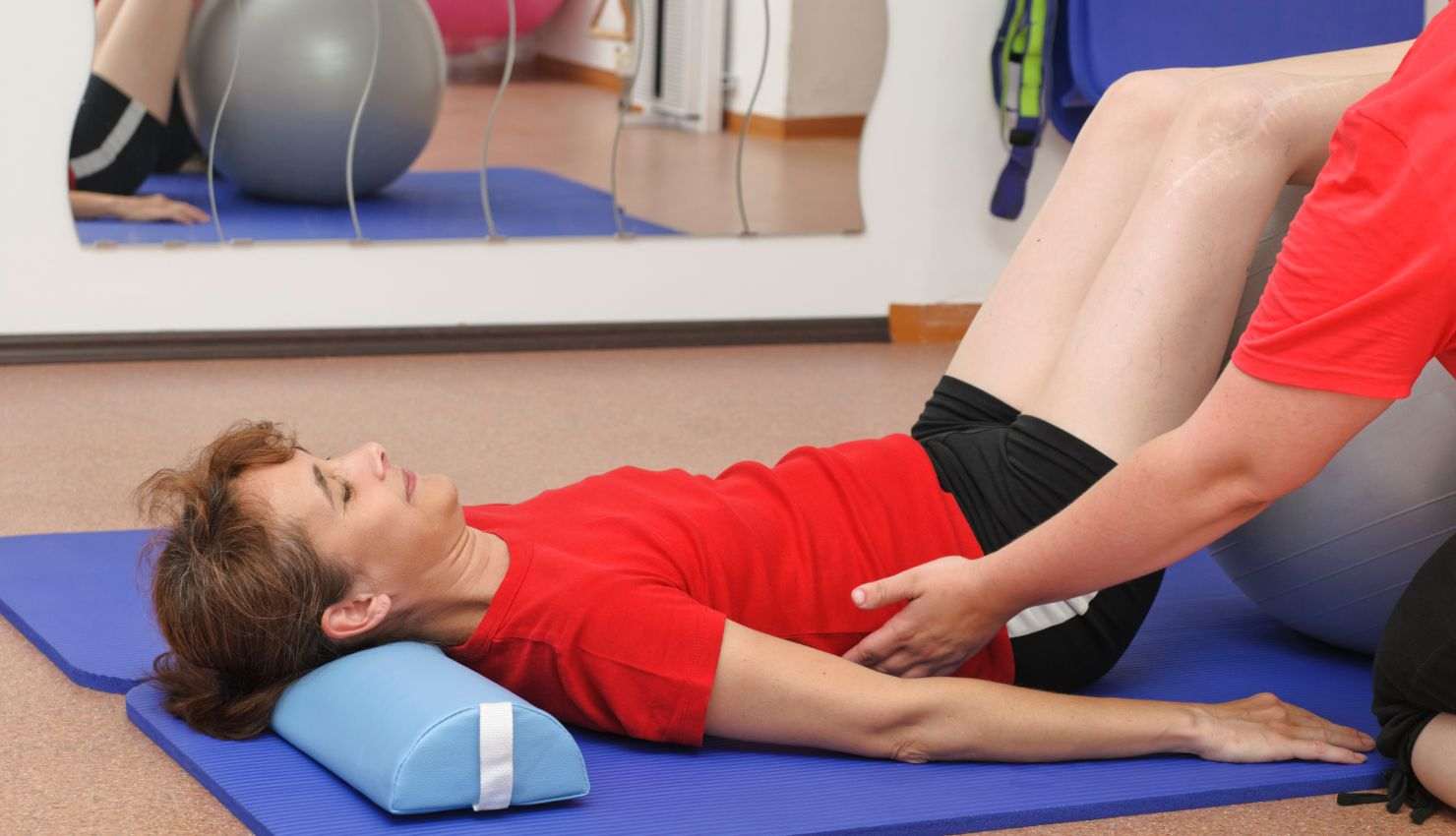
he lower body plays a vital role in posture, balance, mobility, and athletic performance. Whether recovering from injury, managing chronic pain, or building foundational strength, movement therapy offers a functional and corrective approach to lower-body conditioning. It targets the hips, thighs, knees, calves, ankles, and feet using controlled, progressive movements that restore balance, coordination, and power.
? Why Lower Body Strength Matters
Supports daily movements (walking, standing, lifting)
Enhances athletic performance (running, jumping, pivoting)
Protects joints by offloading stress from knees and ankles
Prevents injuries like ACL tears, hamstring strains, and shin splints
Improves balance, stability, and proprioception
?? Key Movement Therapy Principles for Lower Body Strength
1. Activating Stabilizing Muscles First
Before loading major muscle groups, movement therapy focuses on activating stabilizers, especially:
Gluteus medius (hip stabilizer)
Deep core and pelvic floor muscles
Tibialis anterior and peroneals (foot/ankle stability)
?? Result: Improved joint control and safer movement patterns.
2. Correcting Muscle Imbalances
Many people are quad-dominant or have weak glutes and hamstrings, leading to poor mechanics. Movement therapy restores balance by:
Strengthening underactive muscles (e.g., glutes, adductors)
Releasing overactive ones (e.g., hip flexors, calves)
?? Result: Efficient, pain-free movement.
3. Incorporating Closed-Chain Functional Movements
Closed-chain exercises (feet stay grounded) engage multiple joints and simulate real-life motion.
Examples:
Squats (wall-supported, chair-based, bodyweight)
Lunges (static or walking)
Step-ups
?? Result: Builds integrated strength for walking, running, and sports.
4. Emphasizing Eccentric and Isometric Control
Controlled lowering and holding positions (eccentric/isometric) improve tendon strength and stability.
Exercises:
Slow eccentric single-leg squats
Glute bridges with pause
Wall sits
?? Result: Joint protection and improved endurance.
5. Enhancing Hip and Ankle Mobility
Stiff hips and ankles lead to compensatory stress on knees and back. Movement therapy includes:
90/90 hip rotations
Ankle dorsiflexion mobilization
Dynamic hip openers
?? Result: Greater freedom of movement and safer biomechanics.
6. Improving Proprioception and Balance
Balance training is key to building functional strength and preventing injury.
Therapies include:
Single-leg stands (with or without support)
BOSU or balance pad squats
Dynamic reach or clock drills
?? Result: Stronger stabilizers and quicker muscle reactions.
?????? Sample Movement Therapy Routine for Lower Body Strength
Exercise Focus Reps/Sets
Glute bridges Glutes, core 2×15
Wall sit Quads, isometric strength 3×30 seconds
Step-ups (low box) Glutes, quads, balance 2×10/leg
Clamshells (with band) Hip abductors 2×12/side
Heel raises Calf strength & ankle stability 3×15
Ankle mobility (rocking lunges) Ankle dorsiflexion 10 reps/leg
Hip 90/90 transitions Hip mobility & control 3 sets of 6
?? Muscles Targeted in Lower Body Movement Therapy
Region Muscles Trained
Hips Gluteus maximus, medius, iliopsoas
Thighs Quadriceps, hamstrings, adductors
Knees Popliteus, quadriceps, hamstrings
Calves Gastrocnemius, soleus
Ankles/Feet Tibialis anterior, peroneals, foot intrinsics
?? Safety Tips
Warm up thoroughly before starting (e.g., walking, leg swings)
Use assistance (e.g., wall, chair) for balance if needed
Progress gradually to avoid overloading joints
Dont push through sharp painadjust form or range of motion
Focus on quality of movement over speed or weight