Movement therapy is a structured and purposeful approach to physical rehabilitation and co…

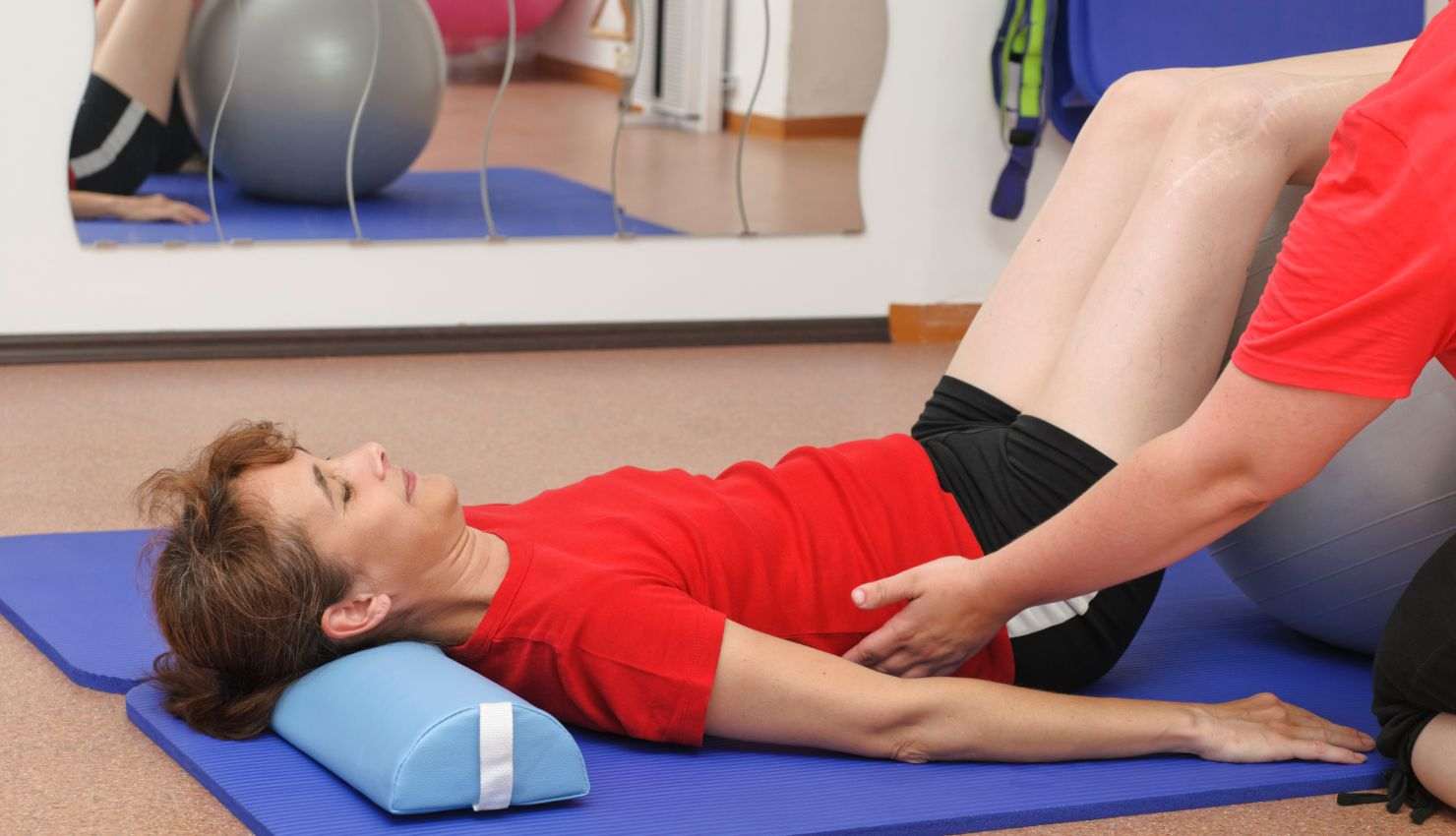
Movement therapy is a structured and purposeful approach to physical rehabilitation and conditioning that emphasizes restoring natural movement patterns, enhancing strength, and reducing pain or dysfunction. When focused on the upper body and shoulders, it plays a critical role in improving functional strength, mobility, and posture, especially for individuals recovering from injury, dealing with chronic pain, or aiming to enhance athletic performance.
Key Benefits of Movement Therapy for the Upper Body and Shoulders
Improved Muscle Strength and Endurance
Movement therapy includes resistance-based and functional exercises that target the deltoids, trapezius, pectorals, rotator cuff, and upper back muscles. Strengthening these muscles improves overall upper body power and supports joint stability.
Enhanced Shoulder Stability and Mobility
Gentle dynamic and isometric exercises restore range of motion while building the neuromuscular control needed to stabilize the shoulder complexessential for both daily activities and sports performance.
Injury Prevention
By correcting imbalances and reinforcing proper movement mechanics, movement therapy minimizes the risk of common shoulder injuries such as rotator cuff tears, impingement syndrome, and tendonitis.
Postural Alignment
Exercises focused on scapular retraction and thoracic extension can counteract the effects of prolonged sitting or poor posture, reducing strain on the shoulders and neck.
Rehabilitation After Surgery or Injury
Movement therapy can be adapted to suit post-operative protocols or injury recovery, helping to regain strength and function gradually without re-injury.
Common Movement Therapy Techniques for Upper Body and Shoulders
Scapular Stability Exercises
Wall slides
Scapular push-ups
Prone Y, T, W lifts
Rotator Cuff Strengthening
Internal and external rotation with resistance bands
Sleeper stretch
Shoulder abduction isometrics
Functional Strengthening
Closed-chain exercises like modified planks and wall push-ups
Theraband rows and punches
Overhead reaches and lifts with light resistance
Mobility and Flexibility Drills
Shoulder circles
Cross-body stretches
Thoracic spine foam rolling
Neuromuscular Re-education
Controlled scapular depression and retraction
Rhythmic stabilization with manual resistance
Proprioceptive training using balance or unstable surfaces
Populations Who Benefit Most
Athletes (especially swimmers, tennis players, weightlifters)
Post-operative patients (e.g., rotator cuff repair, shoulder replacement)
Desk-bound individuals with forward head posture or rounded shoulders
Older adults looking to maintain functional independence
People with chronic shoulder pain or instability
Tips for Effective Movement Therapy
Always begin with a comprehensive assessment by a physical therapist or movement specialist.
Focus on quality over quantityslow, controlled movements activate stabilizers better than fast, sloppy reps.
Progress gradually, moving from mobility work to strength and finally functional integration.
Incorporate breathwork and core engagement to support shoulder and upper body movements.
Track improvements in strength, pain reduction, and functional movement to stay motivated