Foot pain and dysfunction can severely impact balance, gait, and overall mobility. Movemen…

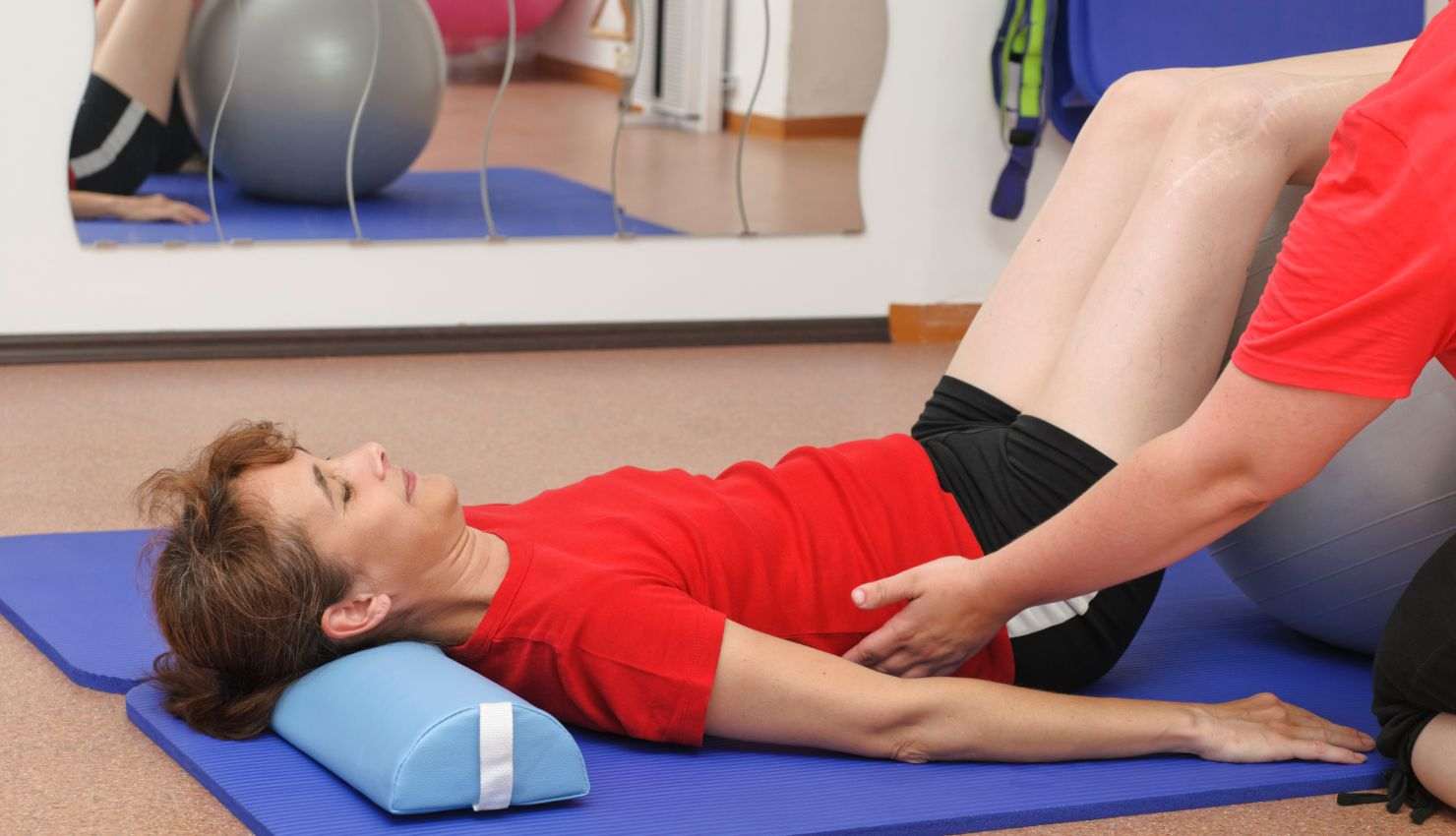
Foot pain and dysfunction can severely impact balance, gait, and overall mobility. Movement therapy provides a targeted, non-invasive approach to restore foot function, reduce pain, and strengthen the muscles, tendons, and joints that support proper foot mechanics.
?? Common Causes of Foot Pain and Dysfunction
Plantar fasciitis
Flat feet or overpronation
High arches (supination)
Achilles tendinitis
Heel spurs
Toe deformities (e.g., bunions, hammer toes)
Post-injury stiffness
Weak intrinsic foot muscles
These conditions often stem from poor foot mechanics, weakness, lack of mobility, or improper footwear. Movement therapy addresses these root issues to restore normal function.
? How Movement Therapy Helps Foot Pain
1. Restores Joint Mobility
Mobilizing the ankle, midfoot, and toes relieves stiffness and improves movement quality.
Helps distribute pressure more evenly across the foot during walking or running.
Example: Ankle dorsiflexion drills improve gait and reduce heel pain.
2. Strengthens Foot and Ankle Muscles
Activates the intrinsic foot muscles that support the arch and stabilize the toes.
Reduces over-reliance on compensatory muscles, preventing further injury.
Example: Towel scrunches strengthen the plantar fascia and arch muscles.
3. Improves Gait and Balance
Corrects abnormal walking patterns caused by pain or weakness.
Enhances proprioception (body awareness), reducing the risk of falls or reinjury.
Example: Barefoot balance training improves coordination and foot engagement.
4. Reduces Inflammation and Pain
Gentle movement increases blood flow and lymphatic drainage.
Decreases swelling and stimulates healing in irritated tissues.
Example: Controlled toe mobility exercises reduce stiffness from plantar fasciitis.
5. Supports Long-Term Foot Health
Prevents recurrence of common foot injuries.
Enhances movement efficiency and energy return during activities.
?? Key Movement Therapy Exercises for Foot Pain
Exercise Purpose How to Perform
Toe Spreading and Splaying Improves toe mobility and foot awareness Spread toes as wide as possible; hold for 5 seconds, repeat 10x
Ankle Circles and Alphabet Enhances joint mobility and blood flow Slowly trace the alphabet with your toes
Towel Curls / Marble Pickups Strengthens intrinsic foot muscles Use toes to scrunch a towel or pick up marbles
Calf Stretch with Wall or Step Reduces Achilles tension Hold for 30 seconds per leg
Toe Yoga Improves neuromuscular control Lift big toe while pressing others down, then reverse
Short Foot Exercise Activates arch support muscles Press ball of foot into ground without curling toes
Heel Raises with Control Strengthens calves and foot stabilizers Raise heels slowly, lower under control; 23 sets of 10
?? Additional Techniques That Support Foot Rehab
Foam rolling the calves and plantar fascia
Using a lacrosse ball under the foot to massage tight spots
Balance exercises (e.g., single-leg stands on an unstable surface)
Barefoot training on safe, flat surfaces to reawaken foot muscles
Resistance band ankle exercises for eversion, inversion, and dorsiflexion
?? Tips for Success
Begin gradually, especially if pain is acute
Consistency is keypractice daily for lasting improvement
Dont push through sharp painmodify or regress as needed
Incorporate into daily life (e.g., do towel curls while brushing your teeth)
Pair with supportive footwear or orthotics if needed for alignment
?? Who Can Benefit from Foot-Focused Movement Therapy?
Runners and athletes with recurring foot injuries
Seniors with balance issues or neuropathy
People recovering from ankle sprains or foot surgery
Anyone with flat feet, plantar fasciitis, or chronic heel pain
Desk workers or those standing all day with stiff feet
?? Final Thoughts
Movement therapy for foot pain is more than just symptom reliefit’s a functional reset for the foundation of your body. With the right blend of mobility, strengthening, and proprioceptive work, you can restore normal foot mechanics, reduce pain, and move with greater ease and stability.