Movement Therapy for Treating Hip Flexor Pain Why Hip Flexor Pain Occurs: Overuse or strai…

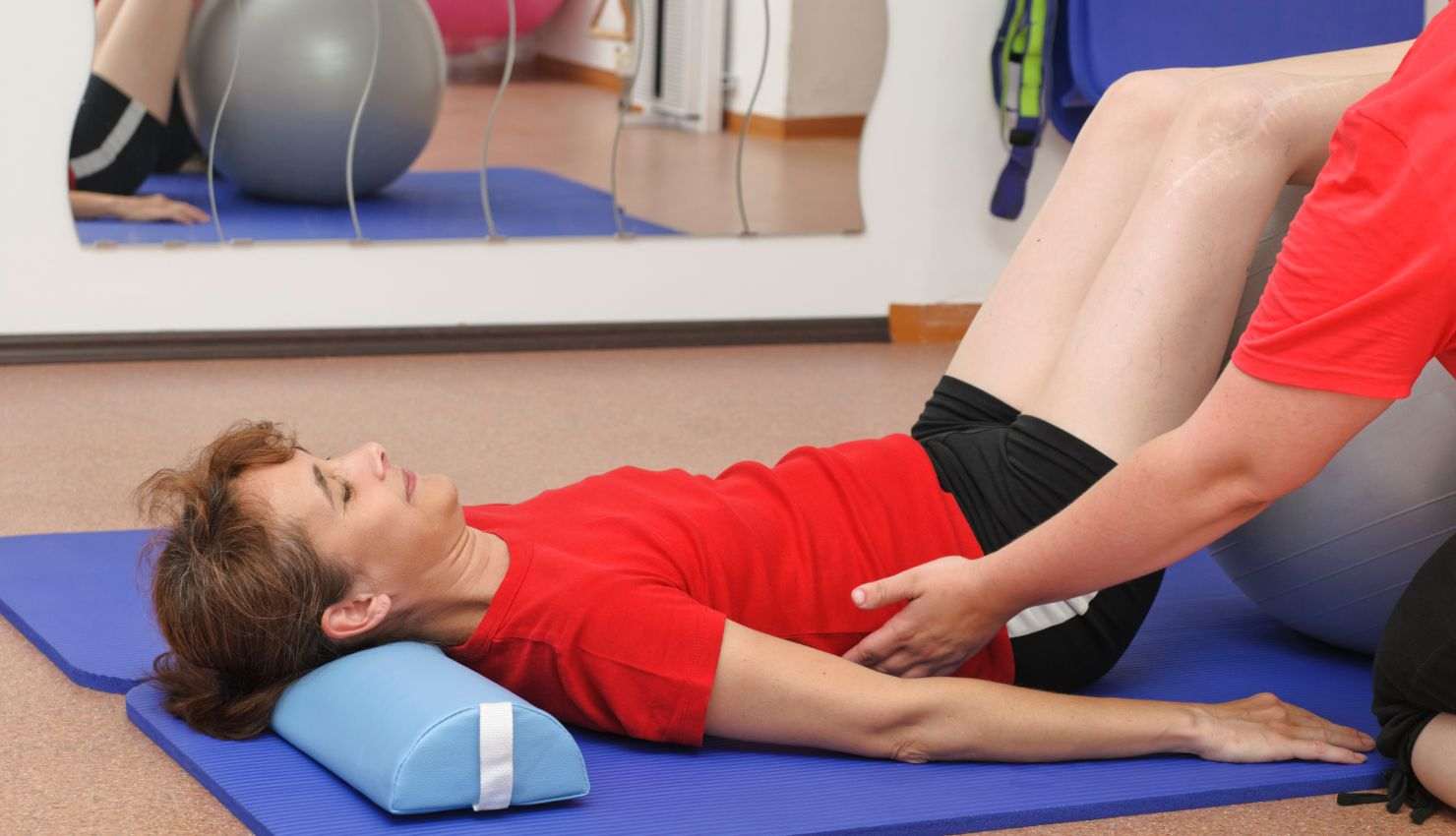
Movement Therapy for Treating Hip Flexor Pain
Why Hip Flexor Pain Occurs:
Overuse or strain from activities like running, cycling, or prolonged sitting.
Muscle tightness and weakness causing imbalance.
Poor posture or movement patterns putting extra stress on the hip flexors.
How Movement Therapy Helps Hip Flexor Pain:
Stretches tight hip flexor muscles to relieve tension.
Strengthens surrounding muscles (glutes, core) to support the hip.
Improves hip joint mobility and movement patterns.
Reduces inflammation and promotes healing.
Key Movement Therapy Techniques for Hip Flexor Pain:
1. Hip Flexor Stretch
Kneeling hip flexor stretch (lunging position)
Hold for 20-30 seconds, repeat 3 times each side.
2. Strengthening Glutes and Core
Glute bridges: 3 sets of 15 reps
Side-lying leg lifts: 3 sets of 12 reps each side
Planks: Hold for 20-30 seconds, 3 times.
3. Hip Mobility Exercises
Hip circles: 10 slow circles each direction
Leg swings: Front to back, 10 reps each leg.
4. Postural and Movement Retraining
Focus on pelvic alignment and avoiding anterior pelvic tilt.
Incorporate breathing and core engagement during activities.
Sample Routine for Hip Flexor Pain Relief
Kneeling hip flexor stretch hold 30 seconds, 3 reps per side
Glute bridges 3 sets of 15 reps
Hip circles 10 slow reps each direction
Side-lying leg lifts 3 sets of 12 reps per side
Plank hold 3 sets of 20-30 seconds
Tips for Recovery:
Avoid prolonged sitting; take breaks to move and stretch.
Warm up before exercises.
Progress gradually and stop if sharp pain occurs.
Consult a physical therapist if pain persists.