Movement Therapy for Treating Hip Pain and Stiffness Hip pain and stiffness can limit mob…

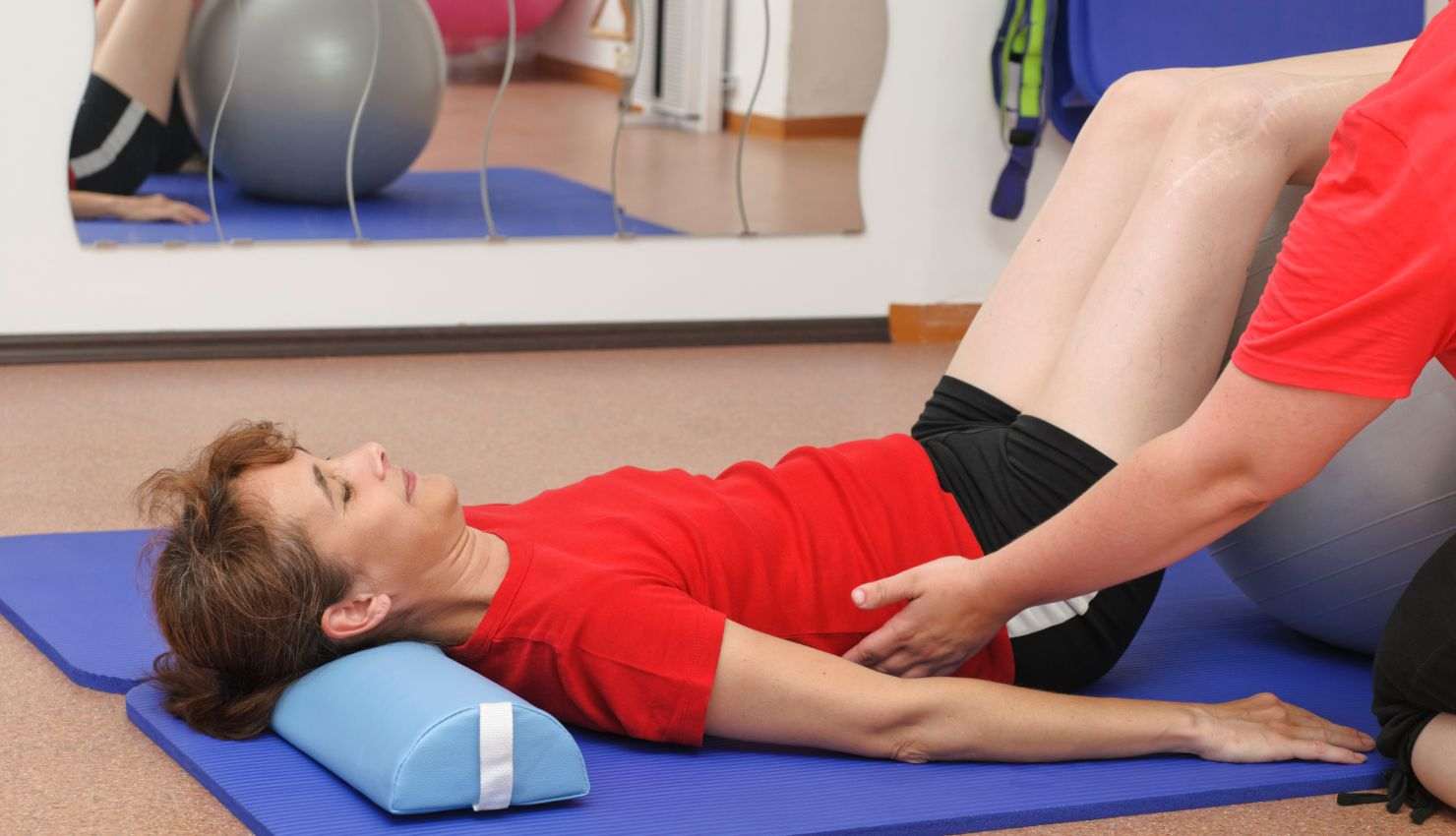
Movement Therapy for Treating Hip Pain and Stiffness
Hip pain and stiffness can limit mobility and affect daily activities, often resulting from arthritis, injury, or muscular imbalances. Movement therapy offers a targeted approach to relieve discomfort, restore range of motion, and strengthen supporting muscles to improve hip function.
1. Gentle Mobility Exercises
Begin with slow, controlled hip movements within a comfortable range to reduce stiffness.
Hip circles, pelvic tilts, and gentle leg swings help maintain joint lubrication and flexibility.
2. Stretching Tight Muscles
Tightness in muscles like hip flexors, hamstrings, and glutes can contribute to hip pain.
Incorporate stretches that focus on these areas, such as lunges, seated hamstring stretches, and figure-four stretches.
3. Strengthening Surrounding Muscles
Strengthen hip stabilizers like the gluteus medius and maximus, core muscles, and lower back.
Exercises such as bridges, clamshells, and side leg lifts support the hip joint and improve stability.
4. Correcting Movement Patterns
Movement therapy helps identify and adjust faulty gait or postural habits that exacerbate hip pain.
Focus on proper alignment and balanced muscle use during walking, standing, and other daily activities.
5. Incorporating Functional Movements
Practice movements that mimic daily taskssitting, standing, bendingto restore confidence and ease.
Movement therapy emphasizes controlled, pain-free transitions to reduce strain.
6. Enhancing Neuromuscular Coordination
Improve proprioception and balance with exercises like single-leg stands or gentle balance board work.
Better neuromuscular control protects the hip during dynamic activities.