Movement Therapy for Treating Joint Stiffness and Pain Why Joint Stiffness and Pain Occur:…

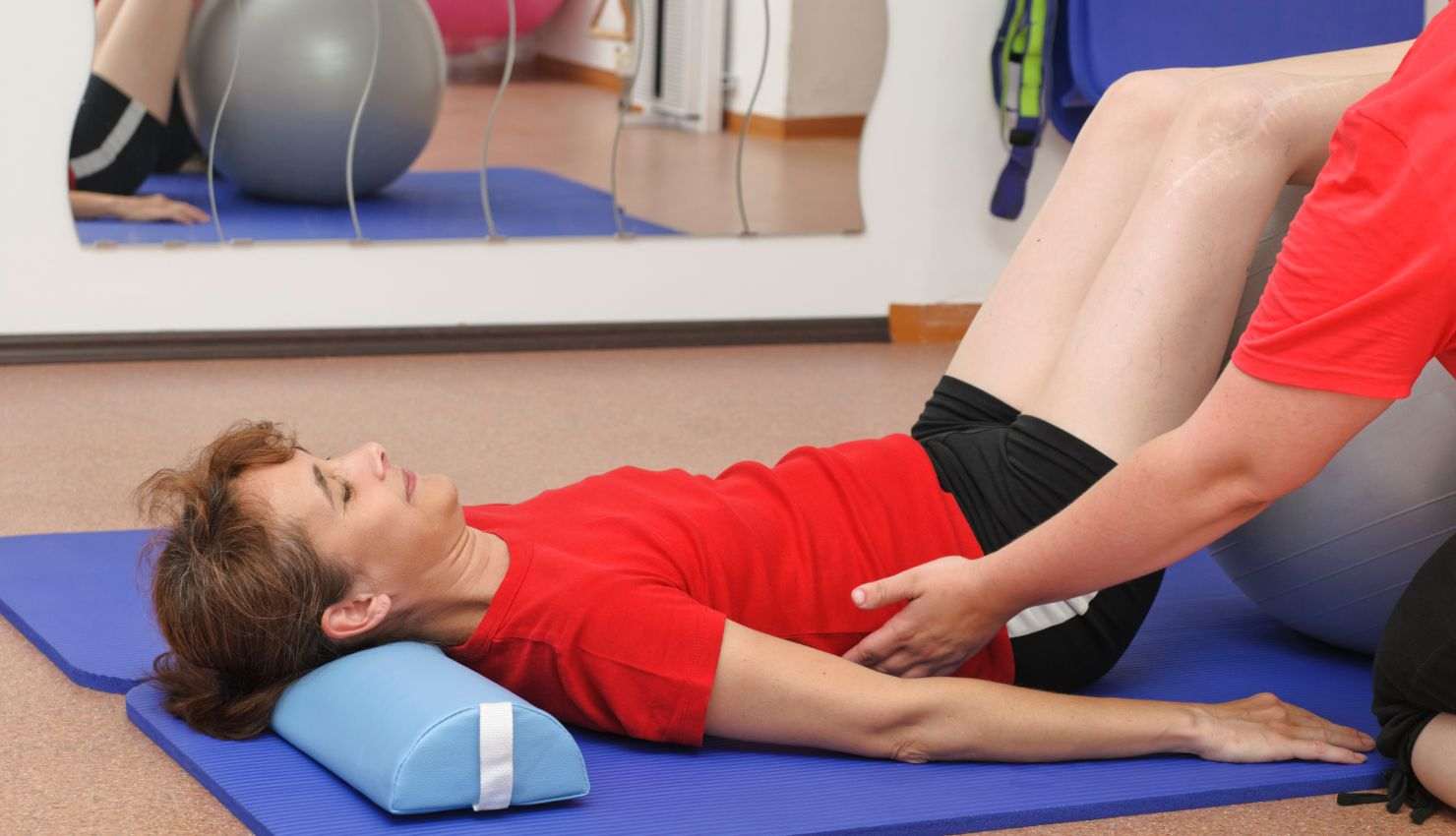
Movement Therapy for Treating Joint Stiffness and Pain
Why Joint Stiffness and Pain Occur:
Prolonged immobilization or inactivity
Inflammation from arthritis or injury
Muscle imbalances around the joint
Scar tissue formation
Age-related wear and tear
How Movement Therapy Helps:
1. Restores Range of Motion (ROM)
Gentle, progressive movement helps loosen tight joint capsules and muscles restricting motion.
Encourages lubrication of joint surfaces by stimulating synovial fluid production.
Examples:
Passive and active-assisted range-of-motion exercises
Gentle stretching routines
2. Reduces Pain and Inflammation
Controlled movement can modulate pain through the gate control theoryactivating nerve fibers that inhibit pain signals.
Movement promotes circulation which helps clear inflammatory mediators.
Techniques:
Slow rhythmic joint mobilizations
Low-impact aerobic activities like swimming or cycling
3. Strengthens Surrounding Muscles
Building strength around the joint provides better support and stability, reducing stress on painful areas.
Helps correct muscle imbalances that may contribute to joint dysfunction.
Key Exercises:
Isometric contractions initially
Progress to resistance band exercises and weight-bearing moves
4. Breaks Down Adhesions and Scar Tissue
Movement therapy encourages remodeling of connective tissue, preventing stiffness caused by scar formation.
Improves tissue elasticity and flexibility over time.
5. Improves Functional Mobility
Emphasizes restoring pain-free movement needed for daily tasks and activities.
Helps patients regain confidence and independence.
??? Sample Movement Therapy Routine for Joint Stiffness and Pain
Exercise Purpose Description
Pendulum exercises (for shoulder) ROM and pain relief Lean forward, let arm swing gently
Ankle pumps Circulation and flexibility Point and flex the foot rhythmically
Heel slides Knee mobility Slide heel towards buttocks while lying
Isometric quad sets Strength without joint movement Tighten thigh muscles, hold for 5-10 sec
Gentle yoga/stretching Overall joint flexibility Focus on pain-free range
Important Tips:
Move within a pain-free or mild discomfort range avoid sharp pain.
Consistency is key: daily movement is better than intense but infrequent sessions.
Always consult a healthcare professional before starting, especially after injury or surgery.