Lower body injuriesaffecting the hips, knees, ankles, and feetare some of the most commo…

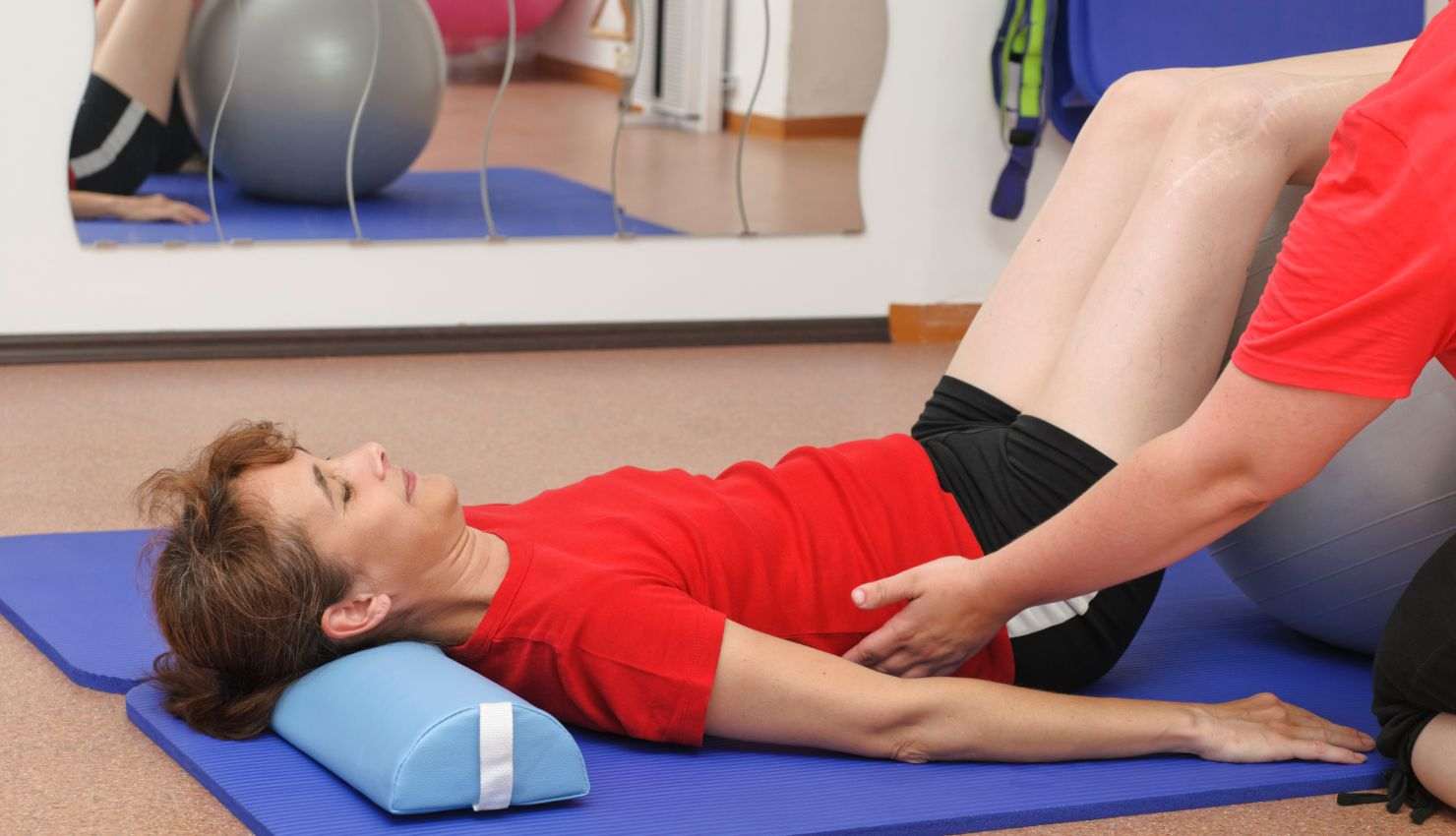
Lower body injuriesaffecting the hips, knees, ankles, and feetare some of the most common setbacks athletes face. These injuries can result from overuse, poor biomechanics, sudden impact, or muscle imbalances, and can significantly impact performance and long-term joint health. Movement therapy plays a vital role in the rehabilitation and prevention of these injuries by restoring strength, flexibility, coordination, and functional movement patterns.
Unlike isolated rehab exercises, movement therapy integrates the whole kinetic chain, retraining the neuromuscular system to move efficiently, powerfully, and safely.
?? Common Lower Body Injuries in Athletes
Injury Description
Hamstring strain Tear or overstretching of hamstring muscles
ACL or MCL sprain/tear Ligament damage in the knee
Patellofemoral pain syndrome Pain around kneecap, often due to misalignment
Achilles tendinitis Inflammation of the Achilles tendon
Ankle sprain Ligament stretch or tear in the ankle
Hip flexor/groin strain Strain in the muscles near the pelvis
IT band syndrome Lateral knee pain from iliotibial band irritation
Stress fractures (tibia, metatarsals) Tiny bone cracks from repetitive force
?? Goals of Movement Therapy for Lower Body Injuries
Restore full range of motion
Improve muscle strength and balance
Re-establish neuromuscular control
Reintegrate sport-specific movement patterns
Prevent re-injury through improved biomechanics
?? Key Components of Movement Therapy for Athletes
? 1. Controlled, Pain-Free Range of Motion Exercises
Gentle mobilization restores joint and soft tissue flexibility without aggravating injury.
Examples:
Passive knee flexion/extension after ACL rehab
Hip circles and windshield wipers for groin strain
Ankle dorsiflexion mobility drills
? 2. Progressive Load and Strength Training
After regaining movement, loading the muscles safely helps rebuild power and endurance while protecting the joints.
Examples:
Eccentric hamstring curls (Nordic curls)
Mini-squats, step-ups, or leg presses (progressively loaded)
Resistance band hip abductions
? 3. Proprioception and Balance Training
Injury often impairs the body’s position sense. Proprioceptive work retrains stability and coordination, especially in ankles and knees.
Examples:
Single-leg balance on foam pad
Wobble board exercises
Agility ladder drills (once cleared for dynamic work)
? 4. Corrective Movement Patterns
Addresses the root cause of injury (e.g., poor squat mechanics, pelvic tilt, overstriding).
Techniques:
Video gait or squat analysis
Cueing for hip-knee-ankle alignment
Glute activation to reduce quad dominance
? 5. Sport-Specific Movement Integration
Once baseline strength and coordination are restored, therapy incorporates drills that mimic game movements.
Examples:
Controlled lateral shuffles and pivots
Plyometric reintroduction (e.g., bounding, hopping)
Sprint drills and deceleration control
?? Sample Movement Therapy Progression for a Hamstring Strain
Phase Focus Sample Exercises
Acute (05 days) Reduce inflammation, gentle ROM Heel slides, isometric glute bridges
Subacute (514 days) Rebuild mobility, begin loading Prone leg curls, supported RDLs
Strength phase Restore full strength and symmetry Nordic curls, banded hip thrusts, lunges
Return to play Add dynamic sport movements Sprints, agility drills, plyometrics
?? Safety Guidelines for Athletes
Never push through paindifferentiate between effort and injury
Focus on form first, then gradually add resistance
Prioritize bilateral strength symmetry
Integrate rest days and recovery tools (e.g., myofascial release, ice, compression)
Track progress and adjust exercises based on response
?? Benefits of Movement Therapy for Lower Body Injury Recovery
Benefit Impact
Accelerated tissue healing Promotes circulation and nutrient delivery
Improved motor control Reduces risk of compensation and further injury
Re-established movement patterns Restores efficient, natural biomechanics
Reduced recurrence rates Strengthens weak links and corrects imbalances
Enhanced athletic performance Rebuilds power, agility, and movement confidence
? Final Thought
For athletes, recovery isn’t just about healingit’s about returning stronger, smarter, and more resilient. Movement therapy provides the essential framework to bridge the gap between rehabilitation and performance. By retraining functional movement, restoring stability, and respecting the bodys healing timeline, athletes can return to sport not only healed but optimized.