Muscular imbalances occur when one group of muscles is stronger or tighter than its opposi…

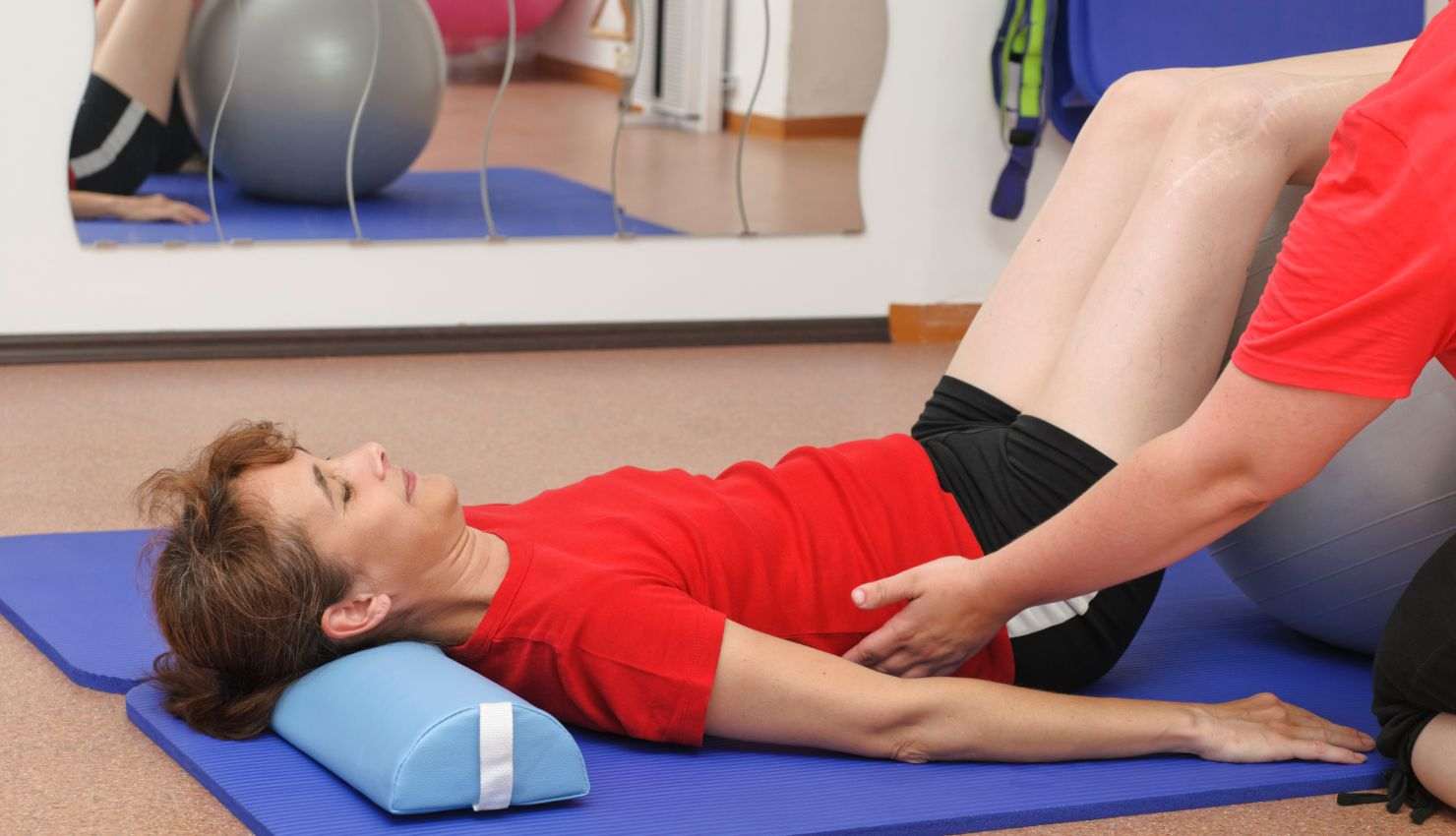
Muscular imbalances occur when one group of muscles is stronger or tighter than its opposing group, leading to inefficient movement, poor posture, and increased injury risk. Whether due to repetitive motion, poor ergonomics, injury, or sedentary habits, these imbalances disrupt the bodys natural alignment and coordination.
Movement therapy addresses the root causes by retraining muscles to work in harmonyrestoring balance, function, and pain-free motion.
Understanding Muscular Imbalances
Muscular imbalances typically develop from:
Repetitive one-sided movements (e.g., dominant arm use)
Poor posture or ergonomics
Injury compensation patterns
Lack of mobility or overuse of specific muscles
Common examples include:
Tight hip flexors and weak glutes
Overactive upper traps and underactive lower traps
Tight chest muscles and weak upper back muscles
How Movement Therapy Helps
1. Identifying Dysfunctional Patterns
A movement therapist or physiotherapist begins with a movement assessment to identify:
Restricted range of motion
Overactive or underactive muscle groups
Asymmetries in gait, posture, or movement
This step guides the creation of a customized therapy plan to address specific imbalances.
2. Muscle Activation and Re-Education
Underactive muscles often need to be reactivated using focused neuromuscular exercises that improve engagement and firing patterns.
Examples:
Glute bridges for underactive glutes
Deep core activation for spinal support
Serratus punches for shoulder stabilizers
Benefits:
Restores balanced movement
Improves strength where its lacking
3. Myofascial Release and Stretching for Overactive Muscles
Overused or tight muscles are treated with techniques that reduce tension and improve tissue length.
Examples:
Foam rolling or massage of tight quads, pecs, or calves
Static or dynamic stretching
PNF (proprioceptive neuromuscular facilitation) stretches
Benefits:
Improves joint mobility
Reduces tension and discomfort
Prepares the body for balanced movement
4. Correcting Movement Patterns
Movement therapy retrains functional patterns like walking, squatting, or lifting to ensure proper muscle coordination and engagement.
Examples:
Functional squat training with correct hip-knee-ankle alignment
Core bracing during transitional movements (e.g., sitting to standing)
Re-education of gait to fix compensations
Benefits:
Prevents future injuries
Promotes long-term balance and efficiency
5. Building Symmetrical Strength and Stability
The goal is to ensure that all muscle groups can share the load properly during movement.
Examples:
Unilateral strength exercises (e.g., single-leg Romanian deadlifts, one-arm rows)
Stability drills that require both sides of the body to contribute equally
Benefits:
Prevents overdominance of one side
Increases joint stability and overall coordination
When to Use Movement Therapy for Imbalances
Movement therapy is ideal for:
Athletes with repetitive strain
Office workers with poor posture
Post-injury or post-surgery rehab
Individuals with chronic pain or limited mobility
Anyone seeking improved posture and performance
Conclusion
Muscular imbalances can silently disrupt movement and cause long-term dysfunction. Movement therapy offers a targeted, personalized solution that restores balance through muscle activation, flexibility training, and pattern correction. With professional guidance and consistency, you can restore symmetry, prevent injury, and move with greater strength and ease.