Postural pain and discomfortcommonly felt in the neck, shoulders, upper back, and lower b…

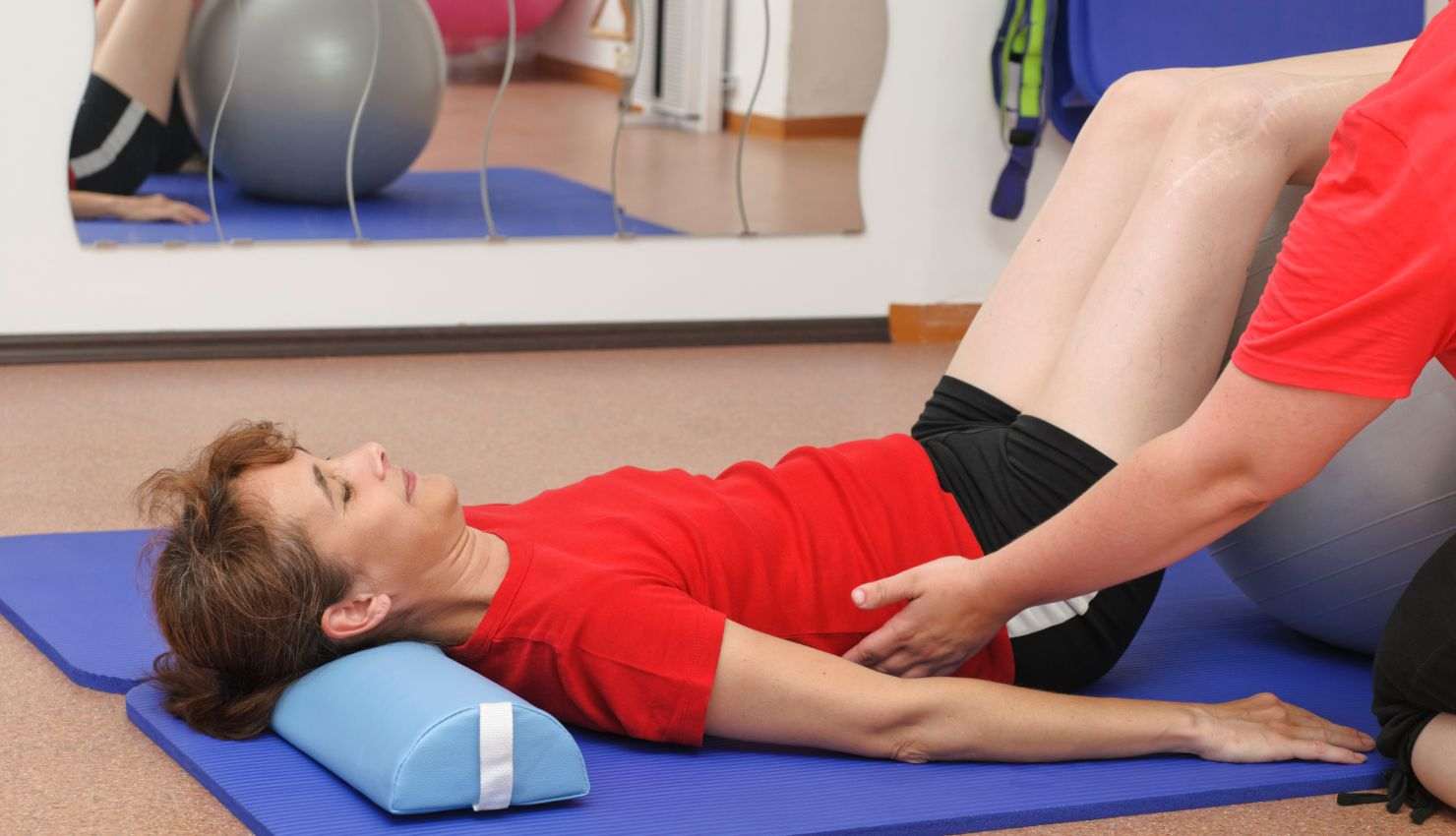
Postural pain and discomfortcommonly felt in the neck, shoulders, upper back, and lower backoften result from prolonged static positions, muscle imbalances, or poor movement habits. Movement therapy addresses these issues by retraining the body to move more efficiently, improving alignment, and restoring balance between muscle groups.
?? What Causes Postural Pain?
Cause How It Leads to Discomfort
Prolonged sitting or standing Causes muscle shortening (e.g., hip flexors, chest)
Slouched or forward-head posture Puts strain on spine and shoulder girdle
Muscle imbalances Overused muscles become tight; underused become weak
Lack of movement variety Reduces joint mobility and circulation
? How Movement Therapy Helps
Therapeutic Focus Effect
Reeducates neuromuscular control Encourages optimal posture and balanced muscle use
Mobilizes stiff joints Frees up areas like thoracic spine, hips, and shoulders
Strengthens postural muscles Activates core, glutes, upper back, and deep neck flexors
Releases tight, overactive muscles Reduces stress on joints and soft tissue
Encourages mindful body awareness Builds lasting habits that prevent recurrence
?? Common Postural Patterns That Movement Therapy Can Improve
Upper Crossed Syndrome: Tight chest/neck, weak upper back
Lower Crossed Syndrome: Tight hip flexors/lower back, weak abs/glutes
Forward head posture
Rounded shoulders or kyphosis
Anterior pelvic tilt or swayback posture
?? Effective Movement Therapy Exercises
?? 1. Chin Tucks
Purpose: Strengthen deep neck flexors, correct head position
How: Sit tall, gently tuck chin in (not down), hold 5 sec, repeat x10
?? 2. Wall Angels
Purpose: Mobilize shoulders and strengthen mid-back
How: Stand with back against a wall, arms in goal post position, slide arms up/down slowly
?? 3. Cat-Cow Stretch
Purpose: Mobilize spine and promote awareness of alignment
How: On hands and knees, alternate arching and rounding your back slowly
?? 4. Hip Flexor Stretch
Purpose: Counteract tightness from sitting
How: Kneel with one foot forward, gently shift hips forward and lift chest
?? 5. Thoracic Extension Over Foam Roller
Purpose: Open the upper back and counter slouching
How: Lie back over foam roller at mid-spine, gently arch over it
?? 6. Glute Bridges
Purpose: Activate glutes and stabilize pelvis
How: Lie on back with knees bent, lift hips, squeeze glutes, hold 23 seconds
?? 7. Dead Bug or Bird-Dog
Purpose: Build core control to support spinal alignment
How: Controlled limb movement while keeping spine neutral
?? Sample 15-Minute Daily Routine for Postural Pain
Exercise Reps/Duration
Cat-Cow Stretch 1 minute
Chin Tucks 10 reps
Wall Angels 10 reps
Hip Flexor Stretch 30 sec per side
Glute Bridges 1015 reps
Bird-Dog 10 reps each side
Foam Roller Thoracic Extension 12 minutes
?? Additional Tips for Managing Postural Pain
Take movement breaks every 3060 minutes during work or screen time
Use ergonomic tools (chair, monitor height, lumbar support)
Incorporate varietyavoid fixed positions all day
Focus on breathingdiaphragmatic breathing supports core and reduces tension
Practice mindfulnessbody scanning and posture awareness are key
?? Long-Term Benefits of Movement Therapy for Postural Pain
Benefit Impact
Improved alignment and posture Reduces chronic strain and joint loading
Less neck, shoulder, and back pain Frees up movement and supports daily comfort
Better movement efficiency Enhances balance, strength, and endurance
Increased self-awareness Encourages lasting, healthy movement habits