Movement Therapy for Treating Repetitive Strain Injuries (RSIs) What Are RSIs? Injuries ca…

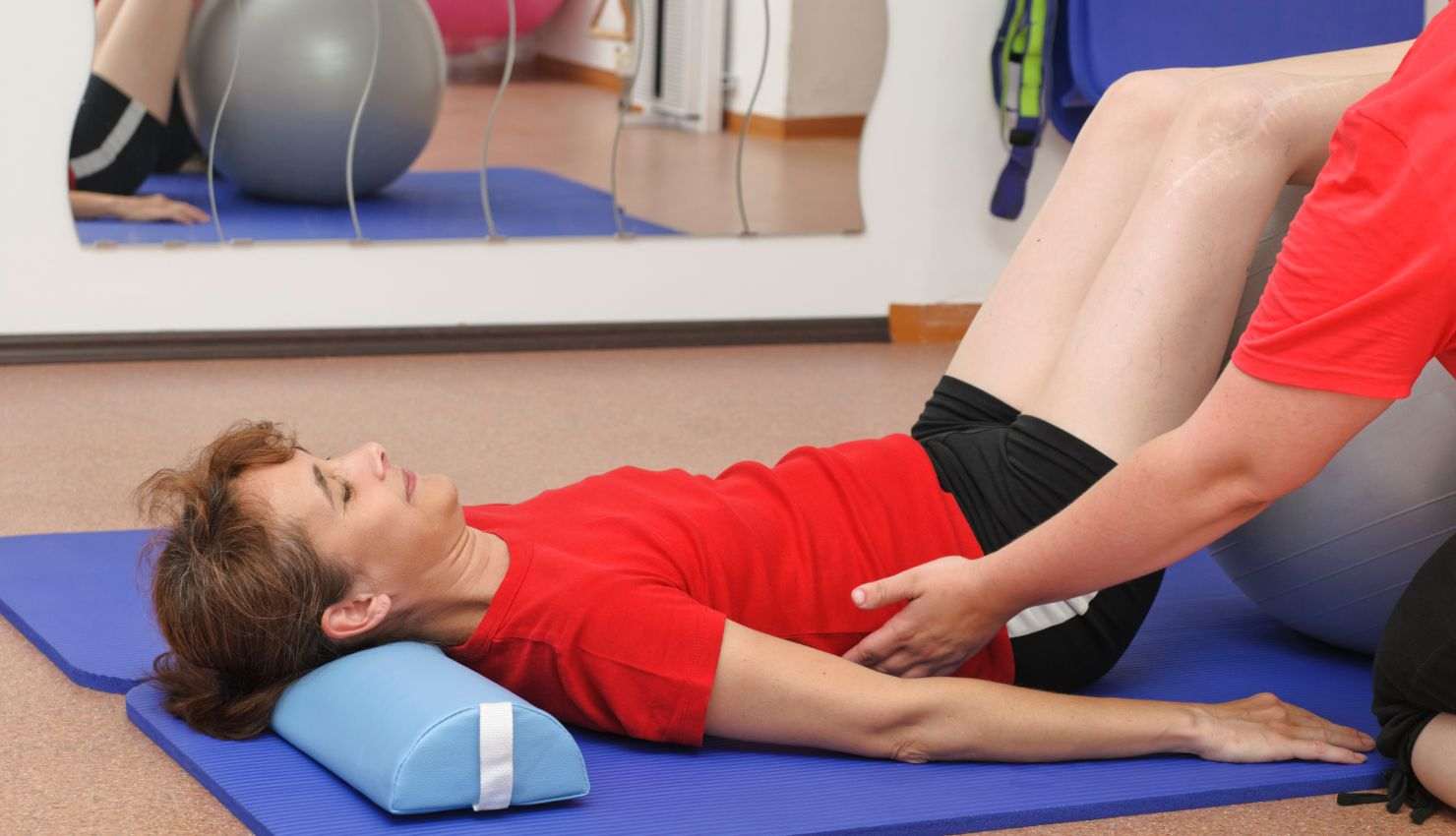
Movement Therapy for Treating Repetitive Strain Injuries (RSIs)
What Are RSIs?
Injuries caused by repetitive motions or sustained postures that strain muscles, tendons, and nerves.
Common in wrists, elbows, shoulders, neck, and back.
Examples: carpal tunnel syndrome, tennis elbow, tendonitis.
How Movement Therapy Helps RSIs:
1. Relieves Muscle Tension and Inflammation
Gentle movement increases blood flow to affected tissues.
Reduces tightness and promotes healing.
2. Corrects Postural Imbalances
Identifies and fixes faulty postures causing stress.
Teaches ergonomic positioning and movement awareness.
3. Restores Range of Motion
Stretching and mobilization prevent stiffness.
Maintains joint flexibility for better function.
4. Strengthens Weak Muscles
Builds support in muscles that counteract strain.
Helps distribute workload evenly to reduce overuse.
5. Teaches Proper Movement Mechanics
Re-educates the nervous system to use efficient, safe movement patterns.
Prevents recurrence of injury by avoiding harmful habits.
Common Movement Therapy Techniques for RSIs
Technique Purpose
Nerve gliding exercises Improve nerve mobility and reduce irritation
Stretching Release tight muscles
Strengthening Support joints and correct imbalances
Postural training Promote ergonomic alignment
Movement re-education Correct faulty movement patterns
Sample Movement Therapy Routine for RSI
Wrist and finger stretches 3-5 minutes
Nerve gliding exercises for median and ulnar nerves 5 minutes
Shoulder blade squeezes 3 sets of 10 reps
Neck stretches and mobility 5 minutes
Posture awareness drills (chin tucks, scapular retraction) 5 minutes
Tips for Managing RSIs with Movement Therapy:
Take frequent breaks during repetitive tasks.
Avoid prolonged static postures.
Use ergonomic tools and setups.
Gradually increase activity intensity.
Consult a healthcare professional for personalized guidance.