Shoulder painespecially caused by impingement syndromecan be persistent and limiting, af…

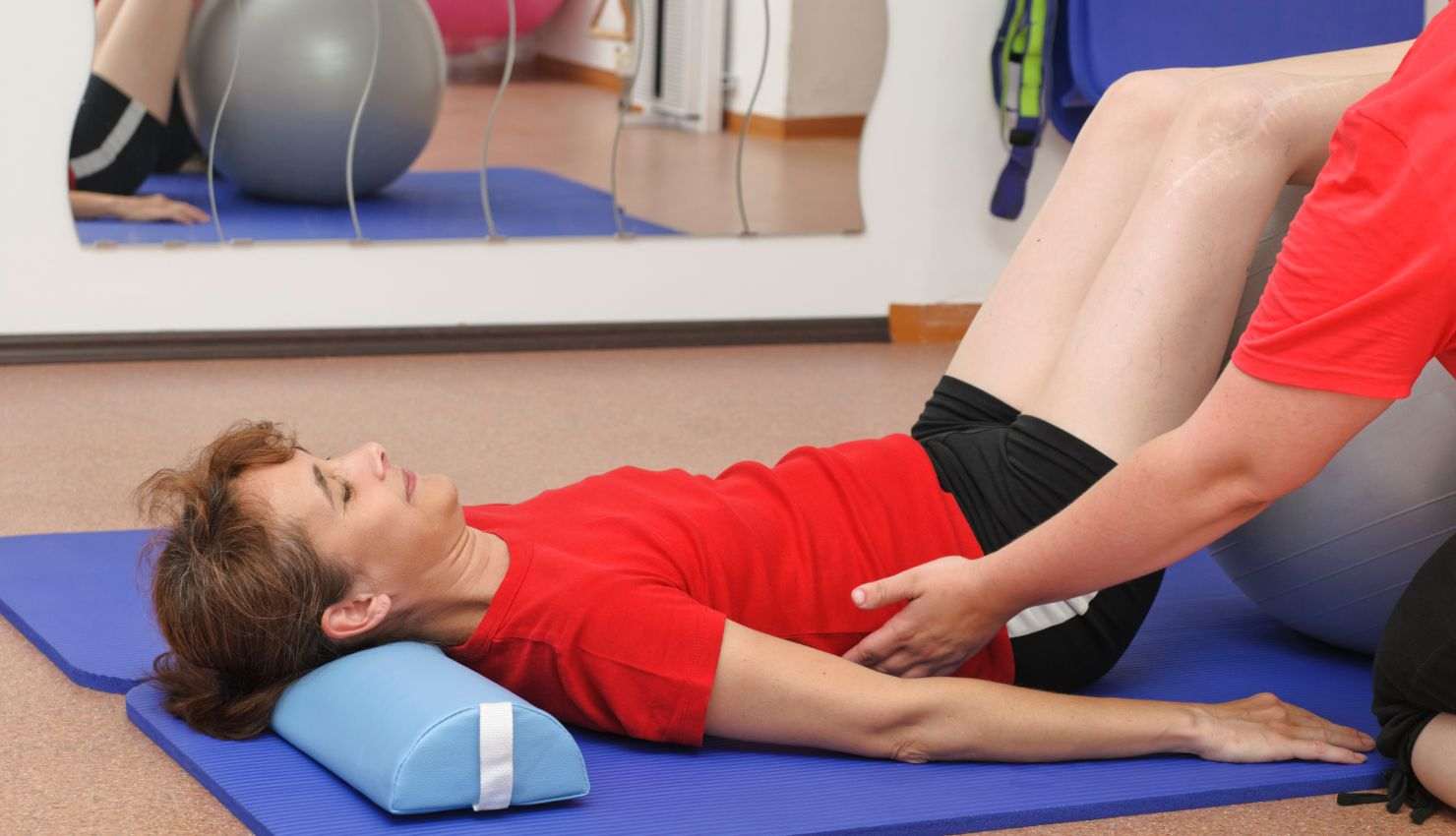
Shoulder painespecially caused by impingement syndromecan be persistent and limiting, affecting daily activities like lifting, reaching, or sleeping. Movement therapy is a safe and effective approach that focuses on restoring shoulder mechanics, relieving pain, and preventing recurrence through targeted mobility, stability, and posture-focused exercises.
?? What Is Shoulder Impingement?
Shoulder impingement occurs when the tendons of the rotator cuff or bursa are pinched between the bones of the shoulder joint, often due to:
Poor posture (e.g., forward head, rounded shoulders)
Muscle imbalances (weak rotator cuff, tight chest muscles)
Repetitive overhead movements
Inflammation or structural changes (bone spurs, bursitis)
Common symptoms:
Pain during arm elevation
Difficulty reaching behind the back
Weakness in the shoulder
Pain at night or when lying on the affected side
? How Movement Therapy Helps
Therapeutic Focus Benefit
Corrects posture Reduces compressive forces on rotator cuff
Restores shoulder mechanics Improves scapular motion and joint space
Strengthens stabilizers Supports joint alignment and reduces strain
Increases flexibility Loosens tight muscles limiting shoulder mobility
Promotes neuromuscular control Re-trains safe and efficient movement patterns
????? Key Movement Therapy Techniques for Shoulder Impingement
?? 1. Scapular Mobility & Control
Wall slides
Scapular squeezes
Serratus punches (with resistance band)
Goal: Promote smooth shoulder blade movement and reduce upper trap dominance.
?? 2. Postural Realignment
Thoracic extensions over foam roller
Chin tucks
Pec doorway stretch
Goal: Open the chest and realign the shoulder joint to relieve compression.
?? 3. Rotator Cuff Strengthening
External rotation with resistance band
Isometric internal rotation against a wall
Prone Y, T, W raises
Goal: Strengthen the muscles that stabilize the shoulder during movement.
?? 4. Shoulder Mobility Exercises
Pendulum swings (gentle circles with a relaxed arm)
Cross-body shoulder stretch
Sleeper stretch (for posterior capsule tightness)
Goal: Improve flexibility without irritating the joint.
?? 5. Functional Repatterning
Wall angels
Controlled overhead reach (within pain-free range)
Banded rows (to activate mid-back muscles)
Goal: Train correct movement mechanics and prevent faulty compensation.
?? Sample Weekly Movement Therapy Routine
Day Focus Area Exercises (34 sets, 1012 reps)
Monday Scapular mobility + posture Wall slides, scapular squeezes, thoracic extensions
Tuesday Rotator cuff strengthening Band external rotation, prone T raises, isometric holds
Wednesday Active rest & mobility Pendulum swings, doorway stretch, foam rolling
Thursday Functional patterns Wall angels, band rows, shoulder blade pushups
Friday Core & posture integration Bird-dog, planks, deep breathing with alignment focus
?? Safety Tips
Avoid exercises that cause sharp or worsening pain
Keep movements within a pain-free range
Use light resistance initially; build gradually
Always warm up with mobility drills before strengthening
Progress under supervision if pain persists or worsens
?? Long-Term Goals
Outcome Result
Restored shoulder function Return to overhead movements without pain
Improved joint stability Reduced risk of future injury or inflammation
Better posture and muscle balance Long-lasting relief from poor movement habits
Reduced dependence on medication Natural recovery through strength and alignment