Movement therapy is a foundational component in the treatment of soft tissue injuries, suc…

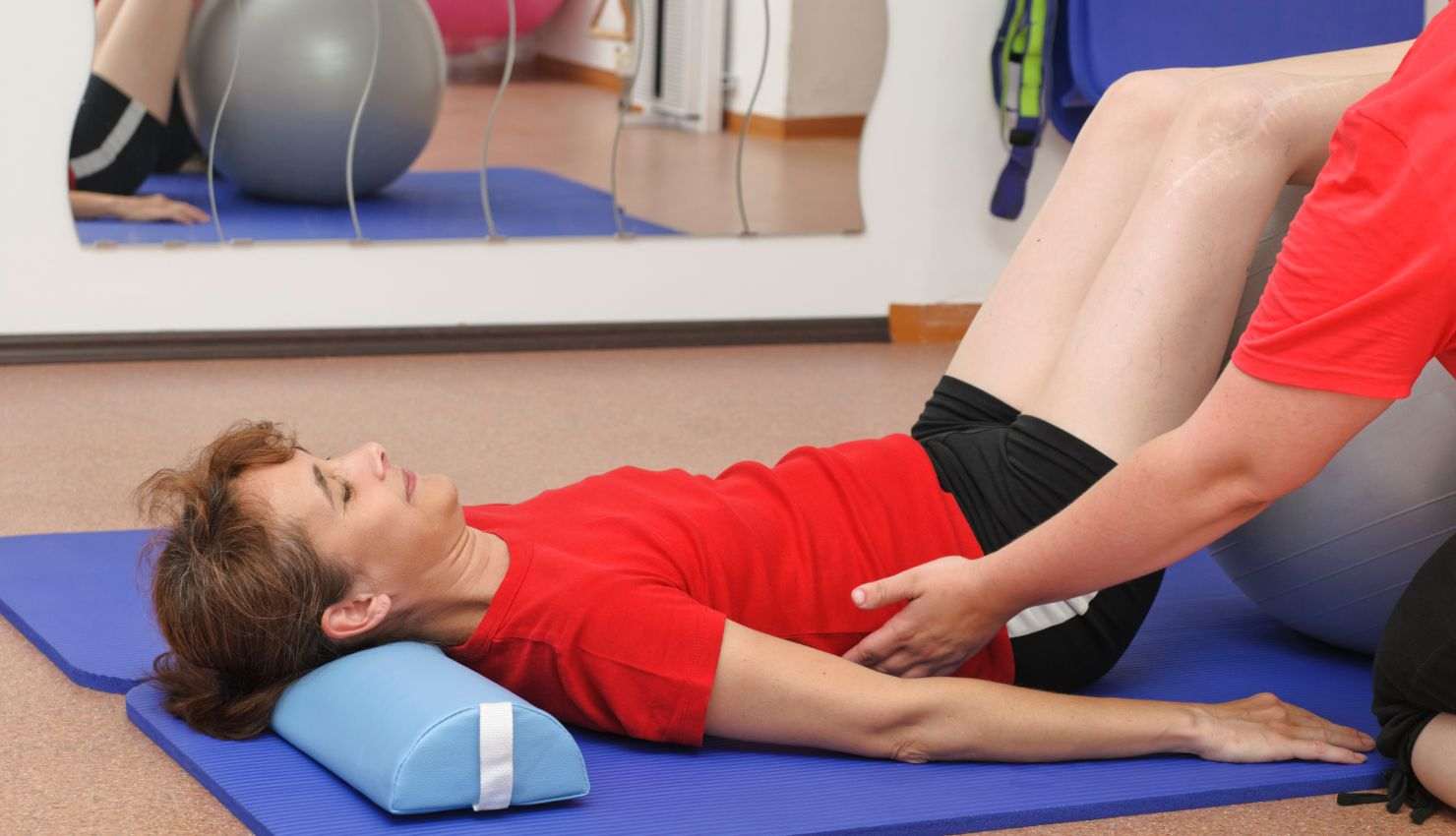
Movement therapy is a foundational component in the treatment of soft tissue injuries, such as sprains, strains, tendonitis, and muscle tears. By using carefully guided, progressive movements, it helps restore tissue integrity, reduce pain, and prevent re-injurywithout overloading the injured area too soon.
Rather than relying solely on rest or immobilization, movement therapy encourages safe, active recovery, promoting better healing through blood flow, neuromuscular re-education, and tissue remodeling.
?? What Are Soft Tissue Injuries?
Soft tissue injuries affect muscles, ligaments, tendons, and fascia. Common examples include:
Strains (muscle or tendon overstretch/tear)
Sprains (ligament overstretch/tear)
Tendonitis (inflammation of a tendon)
Contusions (bruises from impact)
Overuse injuries (e.g., repetitive strain injury, carpal tunnel)
?? How Movement Therapy Aids in Healing
Healing Phase Role of Movement Therapy
Acute (072 hrs) Gentle range-of-motion, breathwork to reduce swelling and maintain neural pathways
Subacute (310 days) Light mobility and isometric activation to restore blood flow and prevent stiffness
Reparative (10+ days) Progressive loading and functional movement to rebuild strength and alignment
Remodeling (weeks/months) Dynamic control, proprioception, and return-to-activity retraining
?? Key Benefits of Movement Therapy for Soft Tissue Recovery
Therapeutic Action Benefit
Enhances circulation Promotes nutrient delivery and waste removal in injured tissue
Reduces stiffness and adhesions Keeps connective tissue mobile and aligned
Activates neuromuscular control Rebuilds motor patterns and prevents compensation
Supports collagen remodeling Encourages organized tissue healing, minimizing scar formation
Improves functional strength Reduces risk of recurrence and restores natural movement
? Safe Movement Therapy Techniques for Soft Tissue Injuries
1. Gentle Range-of-Motion (ROM) Movements
When: Early phase
Example: Ankle or wrist circles, shoulder pendulums
Purpose: Prevent joint stiffness and swelling
2. Isometric Contractions
When: Subacute phase
Example: Quad sets, glute squeezes, wall push-ups
Purpose: Activate muscles without joint strain
3. Controlled Stretching
When: After acute inflammation subsides
Example: Calf or hamstring stretches with a strap
Purpose: Restore length while avoiding overstretching healing tissue
4. Assisted or Guided Active Movement
When: Mid-phase recovery
Example: Band-assisted shoulder flexion, gentle squats
Purpose: Build confidence in movement and regain control
5. Balance and Proprioception Training
When: Advanced rehab
Example: Single-leg stance, soft-surface balance, agility drills
Purpose: Retrain joint awareness and prevent future injury
6. Functional Movement Patterns
When: Final phase
Example: Lunges, step-ups, light resistance training
Purpose: Prepare for return to sport or daily activity
?? Sample Recovery Progression (Lower Limb Soft Tissue Injury)
Phase Movement Focus Example
Days 13 Passive ROM + isometric activation Ankle circles, quad sets
Days 410 Light mobility + supported weight-bearing Wall slides, mini-squats
Days 1121 Active ROM + proprioception drills Step-ups, balance board work
Week 4+ Full ROM, resistance, and dynamic control Bodyweight lunges, agility steps
?? Important Considerations
Avoid pain-provoking movement early on
Start slow and increase intensity in stages
Stay within therapeutic rangenot too easy, not too aggressive
Use ice, compression, or elevation post-exercise if swelling occurs
Always consult a qualified therapist for injury-specific protocols
?? Final Benefits
Movement therapy doesnt just help heal injuriesit prevents compensation, muscle wasting, and re-injury by retraining how your body moves. The result is a stronger, smarter, and more resilient system ready for full function.