Stiffness and tension in the bodywhether from prolonged sitting, stress, injury, or inact…

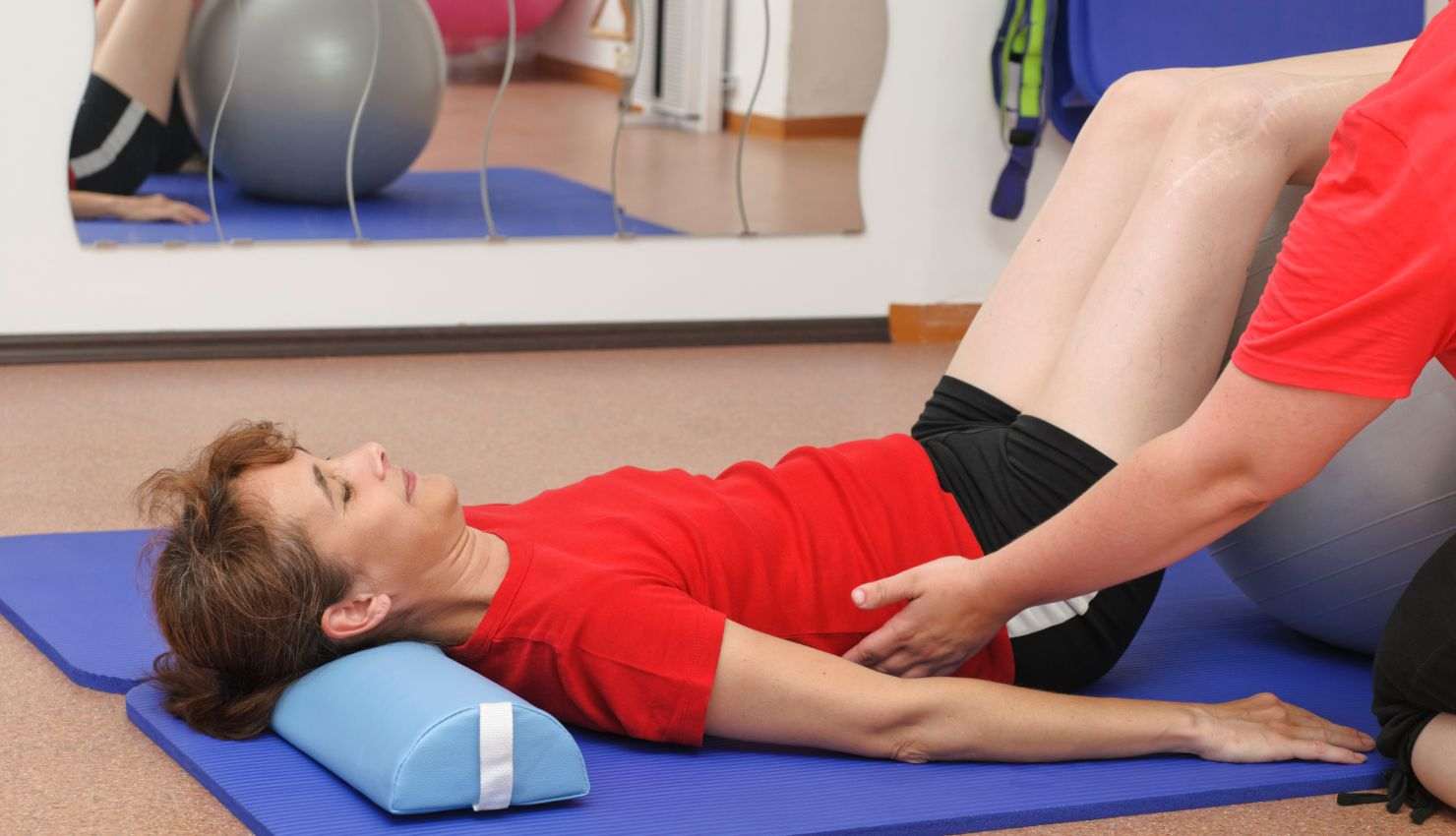
Stiffness and tension in the bodywhether from prolonged sitting, stress, injury, or inactivitycan reduce mobility, cause pain, and disrupt everyday functioning. Movement therapy offers a natural, holistic approach to release muscle tension, improve circulation, and restore fluid motion by using mindful, targeted techniques that gently mobilize joints and lengthen soft tissues.
These techniques work by enhancing neuromuscular awareness, promoting fascial release, and reestablishing proper movement patterns, helping the body return to its natural state of ease and alignment.
?? What Causes Stiffness and Tension?
Prolonged sitting or poor posture
Stress and emotional holding patterns
Injury or surgery-related muscle guarding
Overuse or lack of movement
Aging and muscle dehydration
Movement therapy addresses both the mechanical and neurological roots of tension through gentle, consistent motion.
?? Key Principles of Movement Therapy for Tension Relief
Start with breath to calm the nervous system
Mobilize the joints before stretching the muscles
Use slow, mindful movement rather than force
Incorporate full-body integrationnot just isolated stretches
Progress from gentle to dynamic motion as the body allows
?? Top Movement Therapy Techniques for Reducing Stiffness and Tension
? 1. Dynamic Stretching
Uses controlled, repeated movement to gently lengthen muscles and increase blood flow.
Examples:
Arm circles and shoulder rolls
Spinal twists
Leg swings or hip circles
Neck glides (chin-to-shoulder, ear-to-shoulder)
Benefits: Warms up the body and promotes flexibility without strain.
? 2. Joint Mobility Exercises
Improves the glide and rotation of joints, especially in areas prone to stiffness like the hips, shoulders, and spine.
Examples:
Cat-cow spinal mobilization
Wrist and ankle circles
Pelvic tilts and hip bridges
Thoracic rotations (seated or side-lying)
Benefits: Restores full joint range of motion and reduces joint-related tension.
? 3. Somatic Movement
Involves slow, guided movements that reprogram the brain-muscle connection to release habitual holding patterns.
Examples:
Feldenkrais pelvic clocks
Gentle shoulder shrugs with breath
Arch and flatten (lying spinal flexion)
Pandiculation (conscious muscle contraction followed by release)
Benefits: Re-educates the nervous system to reduce chronic muscle contraction.
? 4. Myofascial Release-Inspired Techniques
Stimulates fascia (connective tissue) to reduce adhesions and improve tissue glide.
Examples:
Foam rolling thighs, back, and calves
Tennis ball under feet or between shoulder blades
Gentle traction-based stretches (e.g., hanging stretch or childs pose)
Benefits: Breaks up fascial tightness and improves fluid movement.
? 5. Proprioceptive Neuromuscular Facilitation (PNF) Stretching
Involves contracting a muscle before stretching it to increase flexibility.
Example technique:
Contract hamstrings for 5 seconds, then stretch into a forward fold
Repeat cycles of contract and relax
Benefits: Effective for reducing muscle tightness and increasing range of motion.
? 6. Breath-Synchronized Movement
Combines rhythmic breathing with motion to down-regulate the nervous system and relax muscles.
Examples:
Inhale to reach arms overhead, exhale to fold forward
Diaphragmatic breathing with spinal twist
Box breathing with gentle neck movements
Benefits: Reduces tension from stress and promotes body awareness.
?? Sample 15-Minute Daily Movement Routine to Reduce Full-Body Tension
Time Activity
02 min Deep diaphragmatic breathing in seated posture
24 min Neck rolls, shoulder shrugs, arm swings
47 min Cat-cow stretch, seated twists, hip circles
710 min Standing dynamic stretches (side bends, toe taps)
1013 min Bridge pose with pelvic tilts, leg lifts
1315 min Supine knees-to-chest, spinal twist, relaxation
?? Key Benefits of Movement Therapy for Stiffness and Tension
Benefit Result
Improved circulation Delivers nutrients and oxygen to stiff tissues
Reduced muscle guarding Loosens up protective muscle tension
Increased body awareness Helps identify and correct tension patterns
Enhanced joint mobility Frees up stiff or stuck areas of movement
Calmer nervous system Reduces sympathetic overdrive (fight-or-flight)
?? Safety & Tips
Move within your comfort zonedont push into pain
Use props (e.g., yoga blocks, cushions) for support
Stay hydrated to help tissues stay elastic
If you’re recovering from injury, consult a therapist before beginning