Rotator cuff injuriessuch as strains, tendinopathy, or tearscan cause pain, weakness, an…

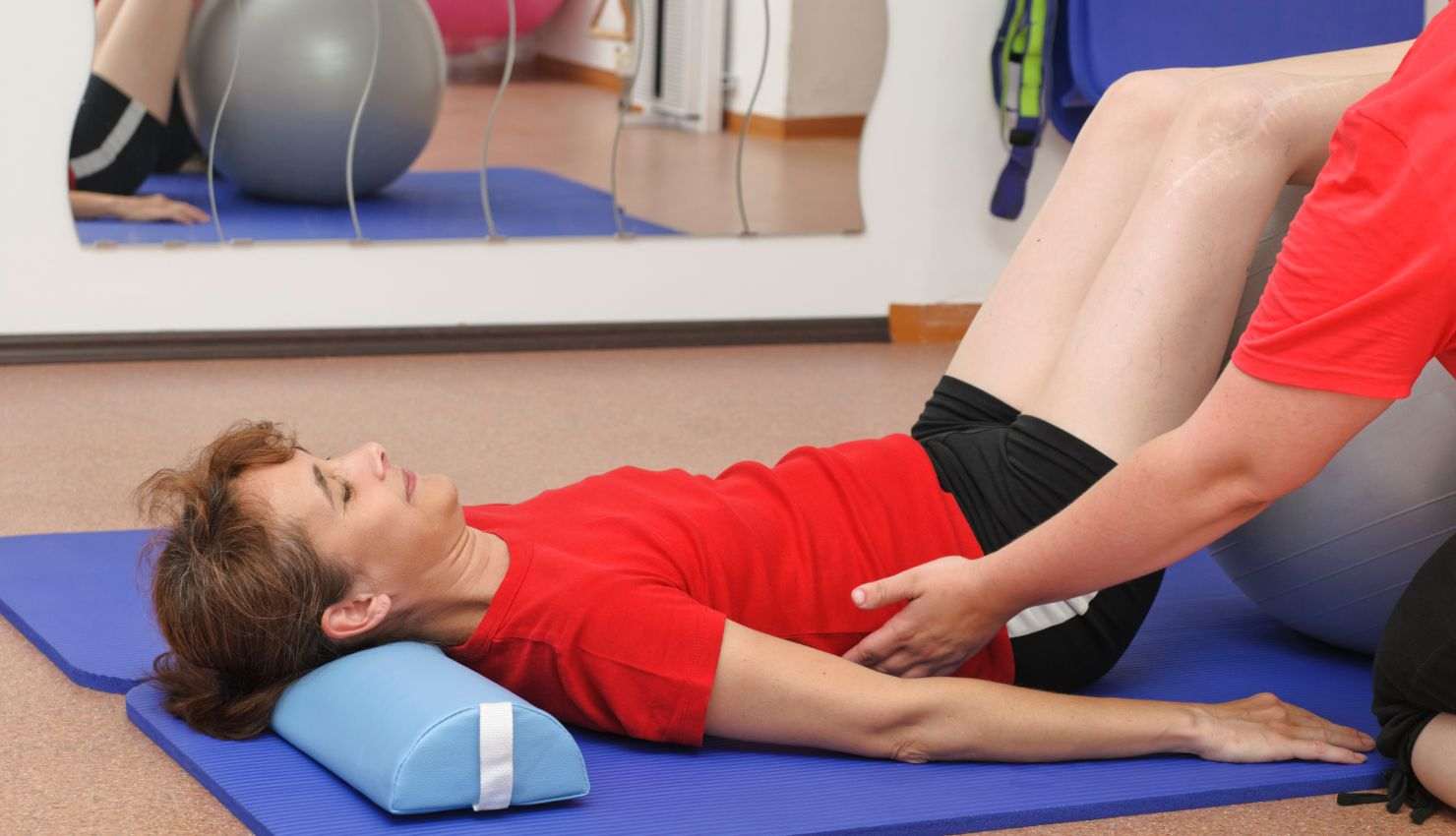
Rotator cuff injuriessuch as strains, tendinopathy, or tearscan cause pain, weakness, and reduced shoulder mobility. Movement therapy plays a vital role in recovery by restoring function, reducing pain, and preventing further damage. A carefully guided program emphasizes controlled mobility, strengthening, and neuromuscular retraining to support healing of the affected tendons and muscles.
?? Understanding the Rotator Cuff
The rotator cuff is a group of four muscles and their tendons that stabilize and move the shoulder joint:
Supraspinatus
Infraspinatus
Teres Minor
Subscapularis
Common causes of injury:
Repetitive overhead activity
Poor shoulder mechanics or posture
Acute trauma or falls
Age-related degeneration
? Goals of Movement Therapy for Rotator Cuff Injury
Rehabilitation Goal Movement Therapy Benefit
Reduce pain and inflammation Gentle, guided motion promotes blood flow and healing
Restore full range of motion Stretching and mobility work prevent stiffness and adhesions
Rebuild muscular support Strengthens rotator cuff and surrounding stabilizers
Correct faulty mechanics Re-trains safe movement patterns and scapular coordination
Prevent re-injury Improves joint control, posture, and functional strength
??? Phased Movement Therapy Techniques
?? Phase 1: Pain Management and Gentle Mobility (Acute Stage)
Goal: Minimize pain, protect the joint, begin mobility.
Pendulum Swings: Let the arm dangle and move in small circles
Table Slides: Slide the arm on a surface forward or sideways
Passive External Rotation (with stick or towel)
Wall Crawls: Fingers walk up the wall to increase ROM
Scapular Setting: Isometric activation of shoulder blade muscles
Perform 12 times per day, pain-free range only.
?? Phase 2: Active Movement and Early Strengthening (Subacute Stage)
Goal: Restore motion, activate rotator cuff and stabilizers.
Isometric Shoulder Exercises: Gentle holds in flexion, extension, abduction
Theraband Internal/External Rotation (neutral position)
Shoulder Blade Squeezes (scapular retraction)
Wall Angels or Scapular Wall Slides
Sleeper Stretch: Targets posterior capsule tightness
Use slow, controlled movement with attention to form.
?? Phase 3: Dynamic Control and Functional Training (Recovery Stage)
Goal: Build strength and endurance for daily or athletic activity.
Resistance Band Rows and Pull-aparts
Prone T Raises/Y Raises (on mat or bench)
Plank Taps or Stability Ball Wall Circles
Overhead Press with Light Dumbbells (if pain-free)
Bodyblade® or oscillating tools for neuromuscular activation
Incorporate multi-joint, functional patterns to return to sport/work.
????? Supportive Mind-Body Approaches
Breathing Techniques: Reduce tension in upper traps and shoulders
Postural Awareness: Correct rounded shoulders and forward head
Yoga or Pilates-Based Shoulder Flows: Gentle scapular control and mobility
?? Precautions
Avoid overhead or loaded movements in early stages
Stop if pain increases during or after exercise
Respect rest and tissue healing timelines
Always progress gradually under professional guidance
?? Summary
Movement therapy for rotator cuff injuries includes:
Early mobility to prevent stiffness
Targeted strengthening for cuff and scapular muscles
Re-education of safe, functional shoulder movements