Functional movement refers to the ability to perform natural, everyday movements with ease…

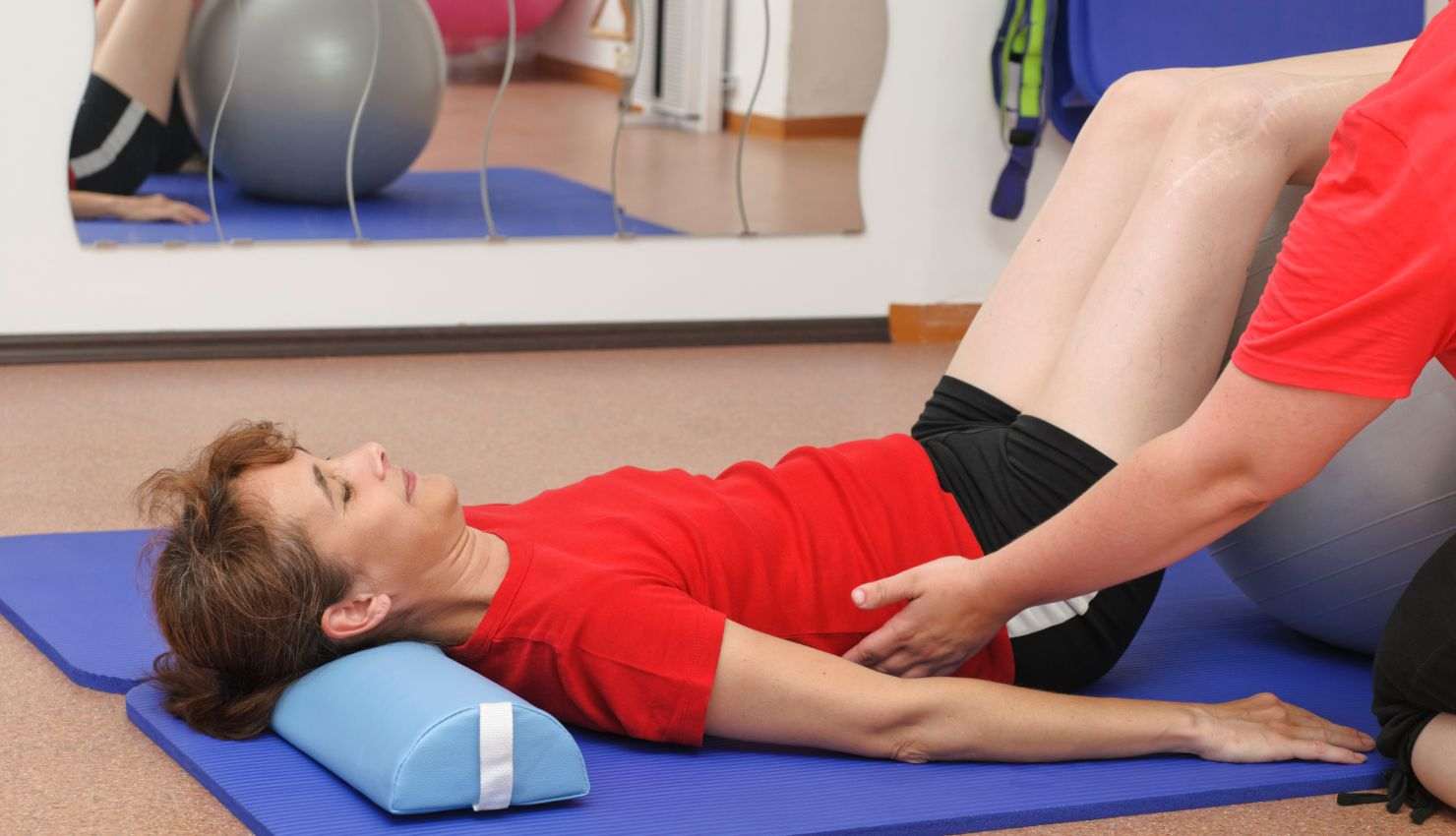
Functional movement refers to the ability to perform natural, everyday movements with ease, coordination, and strength. After injury, surgery, or prolonged inactivity, functional movement can be impaired. Movement therapy aims to restore this ability through targeted techniques that retrain the bodys natural mechanics.
1. Myofascial Release
This technique involves applying gentle, sustained pressure to the fasciathe connective tissue surrounding musclesto relieve tension and improve mobility. Foam rollers, massage balls, or hands-on techniques from a therapist can be used to:
Break down scar tissue
Improve circulation
Enhance range of motion
2. Neuromuscular Re-education
This method retrains the connection between the brain and muscles. By repeating specific patterns and movements, it helps:
Improve coordination and balance
Reduce compensatory movement patterns
Restore symmetrical and functional motion
3. Proprioceptive Training
Proprioception is the body’s ability to sense movement and position. Exercises such as balance drills, stability ball work, and closed-chain movements improve:
Joint stability
Reaction time
Spatial awareness
4. Functional Strength Training
Using movements that mimic daily activities (like squats, lunges, and step-ups), this technique strengthens the body in functional patterns. It promotes:
Core stability
Joint integrity
Efficient movement mechanics
5. Dynamic Stretching and Mobility Drills
Dynamic movements (e.g., leg swings, arm circles, hip openers) improve mobility and prepare muscles for activity. This enhances:
Joint flexibility
Muscle activation
Injury prevention
6. Pilates and Yoga-Based Therapy
Incorporating controlled breathing, postural alignment, and core strengthening, these techniques are excellent for:
Spinal stability
Body awareness
Flexibility and strength balance
7. Gait Training
For individuals recovering from injury or surgery affecting walking, gait training helps:
Normalize walking patterns
Improve posture and stride
Reduce compensation and imbalance
Conclusion
Movement therapy is a powerful tool to restore functional movement. By combining flexibility, strength, balance, and motor control training, these techniques can help individuals regain confidence in their daily activities and prevent future injuries. A tailored program under professional guidance yields the best results.