Muscle Recovery Techniques for Dancers explores targeted strategies for recovery. Discover new paths to mobility, healing, and personalized care.

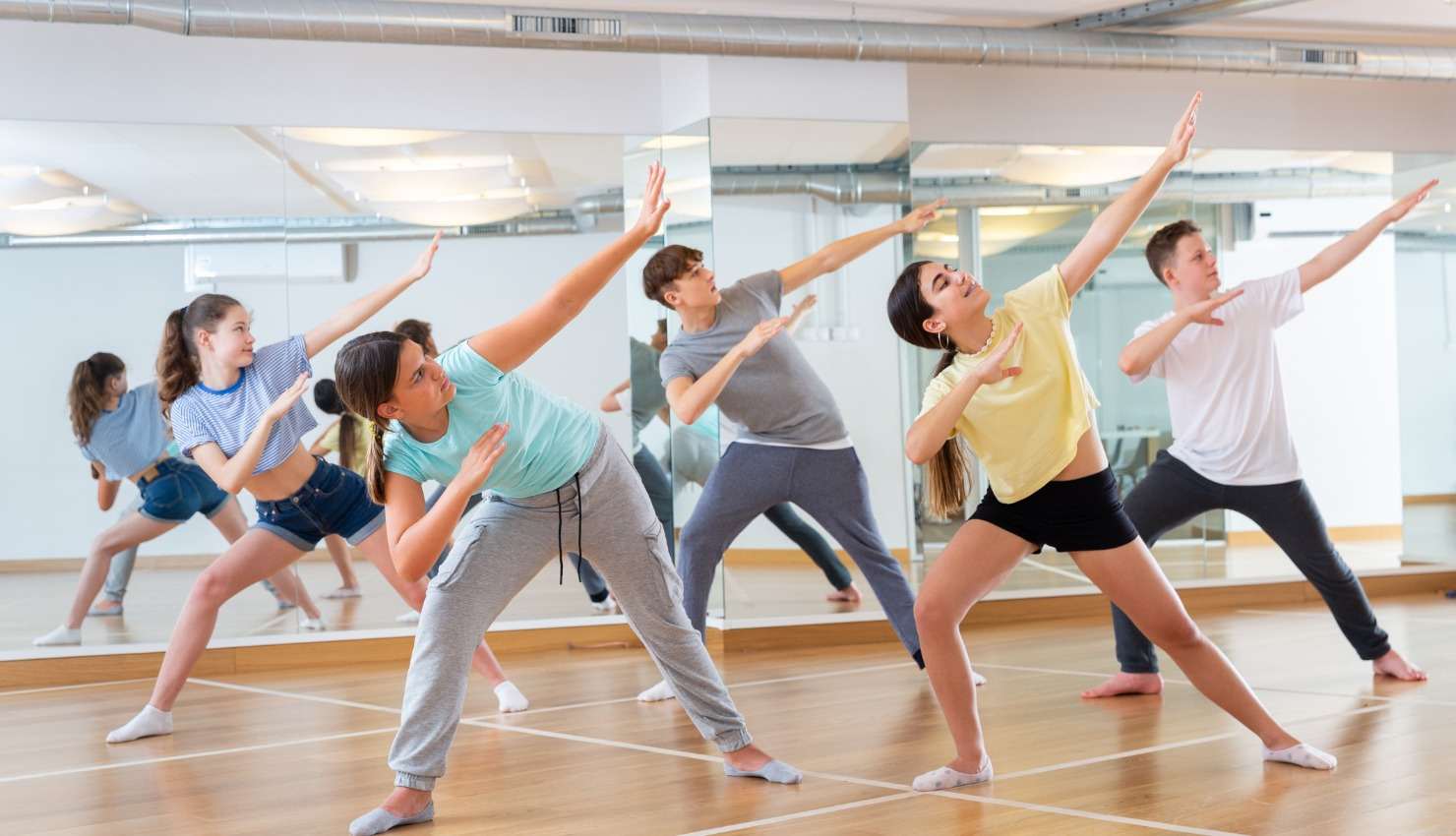
Dancers push their bodies to the limitleaping, turning, balancing, and repeating complex movements with precision and grace. But with such high demands, muscle fatigue and soreness are inevitable. This is where physiotherapy becomes essentialnot only for treating injuries, but for optimizing muscle recovery, reducing downtime, and keeping dancers performance-ready.
Lets explore the top physiotherapy-based techniques that support muscle recovery in dancers.
?? Why Muscle Recovery Matters in Dance
Recovery isnt just about restit’s a physiological reset that allows muscles to:
Repair microtears
Restore energy stores (like glycogen)
Eliminate waste products (like lactic acid)
Rebuild stronger and more resilient fibers
Skipping recovery or using ineffective strategies can lead to:
Chronic fatigue
Muscle imbalances
Decreased performance
Overuse injuries
?? Physiotherapy-Based Muscle Recovery Techniques for Dancers
?? 1. Cryotherapy (Cold Therapy)
What it is: Application of cold to reduce inflammation and soreness post-performance or rehearsal.
? Examples:
Ice baths (1015 mins)
Cold packs over specific muscle groups
?? Why it helps: Constricts blood vessels, reduces swelling, and numbs sorenessespecially effective after high-impact classes or performances.
?? 2. Thermotherapy (Heat Therapy)
What it is: Use of warmth to relax muscles and promote circulation.
? Best used:
2448 hours after activity
For ongoing tightness in muscles like hamstrings or calves
?? Why it helps: Enhances blood flow, soothes chronic tightness, and prepares muscles for stretching or massage.
?? 3. Manual Therapy (Hands-On Techniques)
Physiotherapists use specific hands-on methods to release tight muscles and promote recovery:
? Techniques include:
Myofascial release (relieves tension in connective tissue)
Trigger point therapy (targets knots in overused muscles)
Effleurage massage (light strokes to boost lymphatic drainage)
Stretch and release techniques (PNF stretching, muscle energy techniques)
?? Why it helps: Breaks up adhesions, improves circulation, and accelerates muscle repair.
?? 4. Active Recovery and Low-Load Movement
Unlike complete rest, active recovery keeps muscles engaged with gentle movement to promote blood flow.
? Physiotherapy-guided exercises:
Gentle yoga or Pilates
Walking or low-resistance cycling
Mobility flows focused on hips, spine, and ankles
Foam rolling + stretching combos
?? Why it helps: Flushes out toxins and brings oxygen-rich blood to recovering muscles.
?? 5. Breathwork and Parasympathetic Activation
After intense dance sessions, the body needs to shift out of fight or flight and into rest and digest.
? Physiotherapy-guided relaxation methods:
Diaphragmatic breathing
Guided body scans
Gentle vagus nerve stimulation (e.g., humming, facial massage)
?? Why it helps: Speeds up recovery by lowering cortisol and relaxing the nervous system.
?????? 6. Progressive Loading and Deloading Cycles
Physiotherapists help dancers avoid burnout by planning training loads intelligently.
? This includes:
Light recovery days after heavy training
Gradual reintroduction of volume after rest
Periodization (planned cycles of intensity)
?? Why it helps: Prevents overtraining and supports consistent performance gains.
?? 7. Taping and Supportive Techniques
For fatigued or recovering muscle groups, physiotherapists may apply:
Kinesiology tape to support recovery and guide muscle function
Compression wraps to reduce swelling and soreness
?? Why it helps: Provides proprioceptive input, reduces inflammation, and supports healing tissues without limiting movement.
?? Sample Post-Performance Physiotherapy Recovery Routine (3045 Minutes)
Step Technique Time
Cool-down Active stretching + walking 510 mins
Breathwork Diaphragmatic + parasympathetic focus 35 mins
Self-massage Foam rolling or light ball work 10 mins
Cold Therapy Ice packs or bath (optional) 1015 mins
Gentle Core & Hip Stability Work Activation + control 510 mins
? Daily Recovery Tips from Physiotherapists
?? Stay hydrated and replenish electrolytes
?? Eat a balanced post-dance meal within 1 hour
?? Prioritize 79 hours of sleep
?? Use Epsom salt soaks for tired legs
?? Alternate muscle groups if training daily
?? Schedule at least 12 full rest days per week
?? Recovery Mistakes Dancers Should Avoid
? Using static stretching as the only recovery method
? Ignoring small aches or persistent tightness
? Skipping cooldowns after class or rehearsal
? Not varying intensity throughout the week
? Thinking more pain = more progress