Physiotherapy is one of the best things you can do to recover from injury, surgery, or chronic pain. But heres a little secret: your recovery doesnt have to end when you leave the clinic.

Physiotherapy is one of the best things you can do to recover from injury, surgery, or chronic pain. But heres a little secret: your recovery doesnt have to end when you leave the clinic. By incorporating natural healing therapies, you can speed up the healing process, reduce pain and inflammation, and help your body bounce back faster and stronger.
Lets explore some of the most effective natural healing methods that work beautifully alongside physiotherapy giving your body the extra support it needs to heal holistically.
?? 1. Acupuncture: Calms Pain, Boosts Circulation
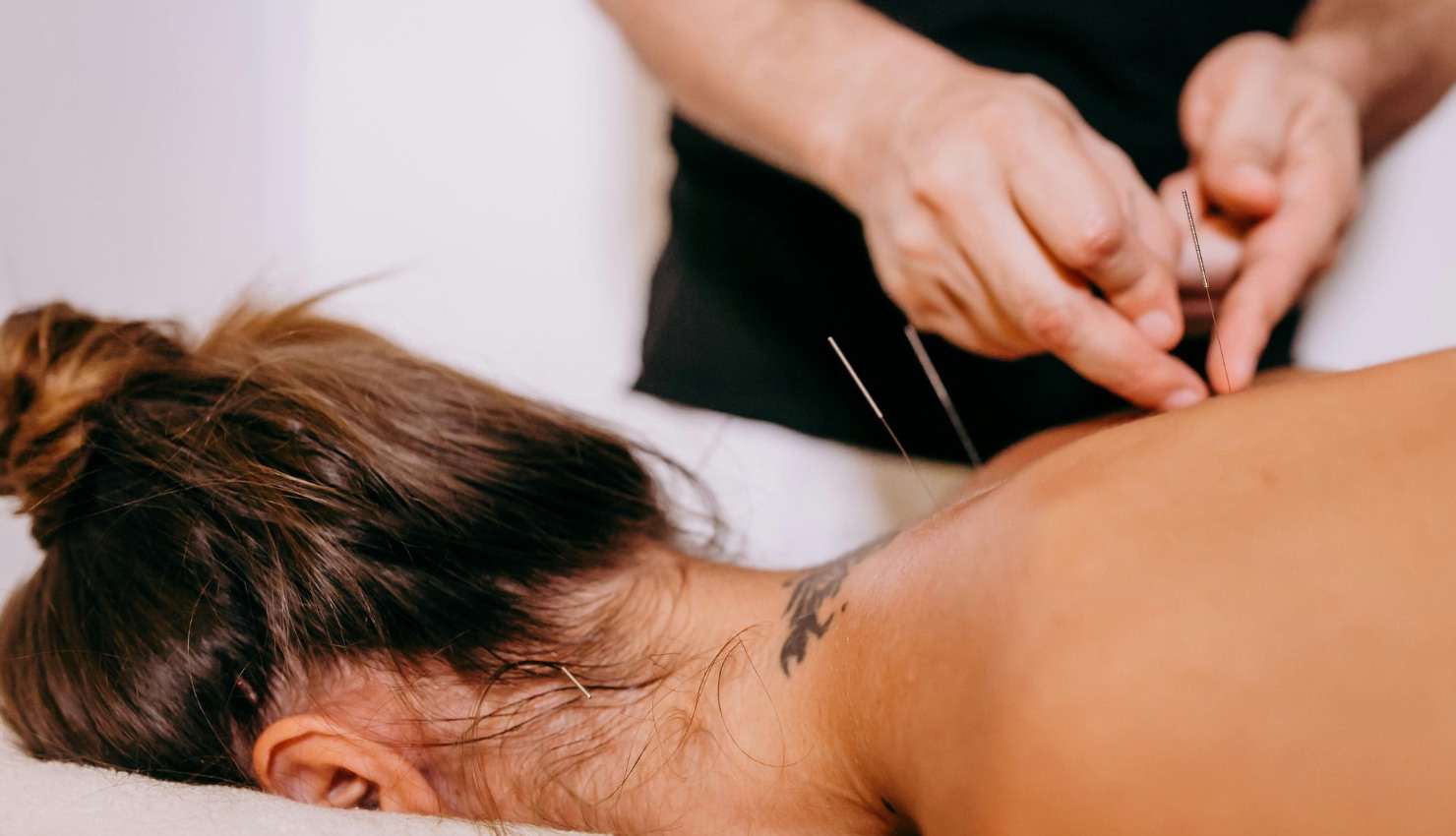
Acupuncture involves placing ultra-thin needles at specific points to stimulate healing energy, reduce inflammation, and calm the nervous system. It can:
Relieve joint and muscle pain
Improve circulation to injured tissues
Release tight trigger points
Help you relax and sleep better (which is key to recovery)
Used before or after a physio session, acupuncture can make your therapy more comfortable and more effective.
?? 2. Ayurvedic Oil Massage (Abhyanga): Soothes and Softens
In Ayurvedic medicine, Abhyanga a warm, herbal oil massage is used to nourish the muscles, joints, and nervous system. It:
Eases stiffness and soreness
Increases circulation
Grounds excess Vata (the dosha linked to movement and pain)
Prepares tissues for stretching or strengthening
Great for days when your physio session leaves you feeling a little tight or overworked.
????? 3. Massage Therapy: Breaks Tension and Enhances Mobility
A good massage doesnt just feel amazing it can:
Break up fascial adhesions
Improve joint range of motion
Promote lymphatic drainage
Reduce post-exercise muscle tightness
Pair it with your physio plan, especially for soft tissue injuries or repetitive strain issues.
?? 4. Breathwork & Mindfulness: Heal Through the Nervous System
Your nervous system plays a huge role in healing. Breathwork (like deep belly breathing or alternate nostril breathing) helps:
Calm your bodys stress response
Reduce pain perception
Improve oxygen flow to tissues
Support emotional resilience during rehab
Try 510 minutes of mindful breathing daily your body and mind will thank you.
?? 5. Gentle Yoga & Stretching: Support Without Strain
While your physio routine focuses on targeted rehab exercises, gentle yoga can:
Improve flexibility
Reduce compensation patterns
Boost body awareness
Help integrate movement patterns naturally
Restorative yoga postures can also aid in relaxation and circulation two things your healing tissues love.
?? 6. Herbal Remedies: Heal From the Inside Out
Herbs can be powerful allies in recovery. Depending on your needs, a trained practitioner might suggest:
Turmeric for natural anti-inflammatory effects
Ashwagandha to support muscle strength and reduce stress
Ginger to improve digestion and circulation
Boswellia for joint support
Always consult a qualified herbalist or Ayurvedic expert before starting a regimen.
?? 7. Hydrotherapy: Hot & Cold for Recovery
Water therapy, including contrast baths, warm compresses, or Epsom salt soaks, can:
Reduce swelling
Improve mobility
Soothe aching muscles
Stimulate circulation
Hydrotherapy is easy to do at home and pairs well with physio for pain and swelling relief.
?? 8. Rest, Routine & Rhythmic Living (Ayurvedic Dinacharya)
Healing doesnt happen in chaos. Ayurveda teaches that consistent sleep, mealtimes, and self-care rituals create the perfect environment for recovery. After all, your body repairs the most when its in rest-and-digest mode not go-go-go mode.
? Final Thoughts: Healing Is a Team Effort
Physiotherapy gives your body the structure, strength, and guidance it needs to recover. But natural healing therapies bring in the supportive, nurturing layer working with your energy, circulation, and internal systems to optimize healing.
When you combine the best of both worlds, you dont just recover you transform. You build resilience, prevent future injury, and reconnect with your body in a more balanced, sustainable way.