Overcoming Sports Injuries explores targeted strategies for recovery. Discover new paths to mobility, healing, and personalized care.

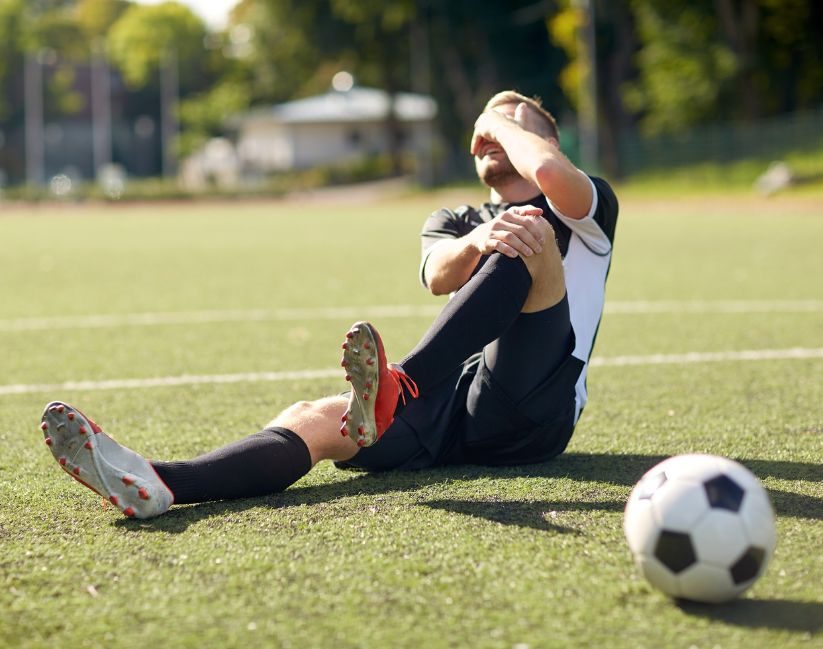
Sports injuries are an unfortunate reality for athletes of all levels, from amateurs to professionals. Whether its a torn ligament, muscle strain, or joint inflammation, these injuries not only disrupt training and competition but can also have long-term consequences if not managed properly. Overcoming sports injuries effectively requires more than generic treatment it demands a sports-specific approach tailored to the unique needs of each athlete and their sport.
What Is a Sports-Specific Approach?
A sports-specific approach to injury rehabilitation means designing treatment and recovery protocols that consider the particular physical demands, movement patterns, and injury risks associated with an athletes sport. Rather than a one-size-fits-all method, this approach personalizes physiotherapy to optimize healing and facilitate a safe return to peak performance.
Why Generic Rehabilitation Isnt Enough
Many traditional rehab programs focus on general pain relief and basic mobility restoration. While these are important, they often neglect the complexities of sport-specific movements that athletes perform daily. Without addressing these unique demands, athletes may face:
Incomplete recovery
Compensatory movement patterns
Increased risk of re-injury
Reduced performance capabilities
Key Benefits of a Sports-Specific Approach to Injury Recovery
1. Tailored Assessment and Diagnosis
Sports-specific rehab starts with a thorough evaluation that includes understanding the sports biomechanics, the athletes role or position, and injury history. This detailed assessment helps identify underlying causes and tailor interventions precisely.
2. Customized Treatment Plans
Therapists create personalized programs incorporating exercises, manual therapy, and modalities suited to the athletes injury and sport. For example, a soccer player recovering from an ACL tear will have different rehab exercises than a swimmer healing from a shoulder injury.
3. Functional Movement Training
Recovery isnt just about healing the injury; its about retraining the body to perform sport-specific movements safely and effectively. This includes drills that simulate running, jumping, cutting, or swimming, depending on the sport.
4. Enhanced Neuromuscular Control
Sports-specific therapy emphasizes proprioception and neuromuscular retrainingteaching the nervous system to coordinate muscles for better balance, agility, and power, which is critical for injury prevention.
5. Psychological Support
Injury can take a mental toll. A sports-specific approach includes motivation, education, and confidence-building to help athletes cope and stay focused on recovery goals.
6. Injury Prevention Strategies
Alongside rehab, therapists educate athletes on techniques and exercises to prevent future injuries, promoting long-term athletic health.
How Sports-Specific Physiotherapy Accelerates Return to Play
By focusing on the precise demands of the athletes sport, this approach ensures a progressive, safe return to competition. It minimizes downtime and helps athletes regain pre-injury performance levels or even improve upon them.
Examples of Sports-Specific Rehab
Basketball players might work on plyometrics, agility drills, and jump training post-injury.
Cyclists focus on hip and core stability, pedal stroke efficiency, and endurance training.
Runners undergo gait analysis and targeted strength programs to reduce impact forces.
Swimmers perform mobility and stroke mechanics rehab to restore range of motion and power.
Why Canadian Athletes Should Choose Sports-Specific Therapy
Canadas diverse sports culturefrom ice hockey to track and fieldbenefits greatly from expert physiotherapists trained in sports-specific injury management. Local clinics offer cutting-edge rehab designed for athletes varied needs.
Conclusion
Overcoming sports injuries requires more than healing the damaged tissue. A sports-specific approach to physiotherapy addresses the whole athlete, combining personalized assessment, functional rehab, and injury prevention to ensure a full, safe recovery and a strong return to sport.
If youre facing an injury and want the best chance at getting back in the game, sports-specific therapy is the smart choice for effective, long-lasting results.