Living with chronic pain can be challenging, as it can affect your ability to perform daily activities, limit mobility, and impact your overall quality of life. Whether it’s caused by a musculoskeletal injury, arthritis, or a neurological condition, pain and reduced mobility can be managed effectively with the help of physiotherapy.

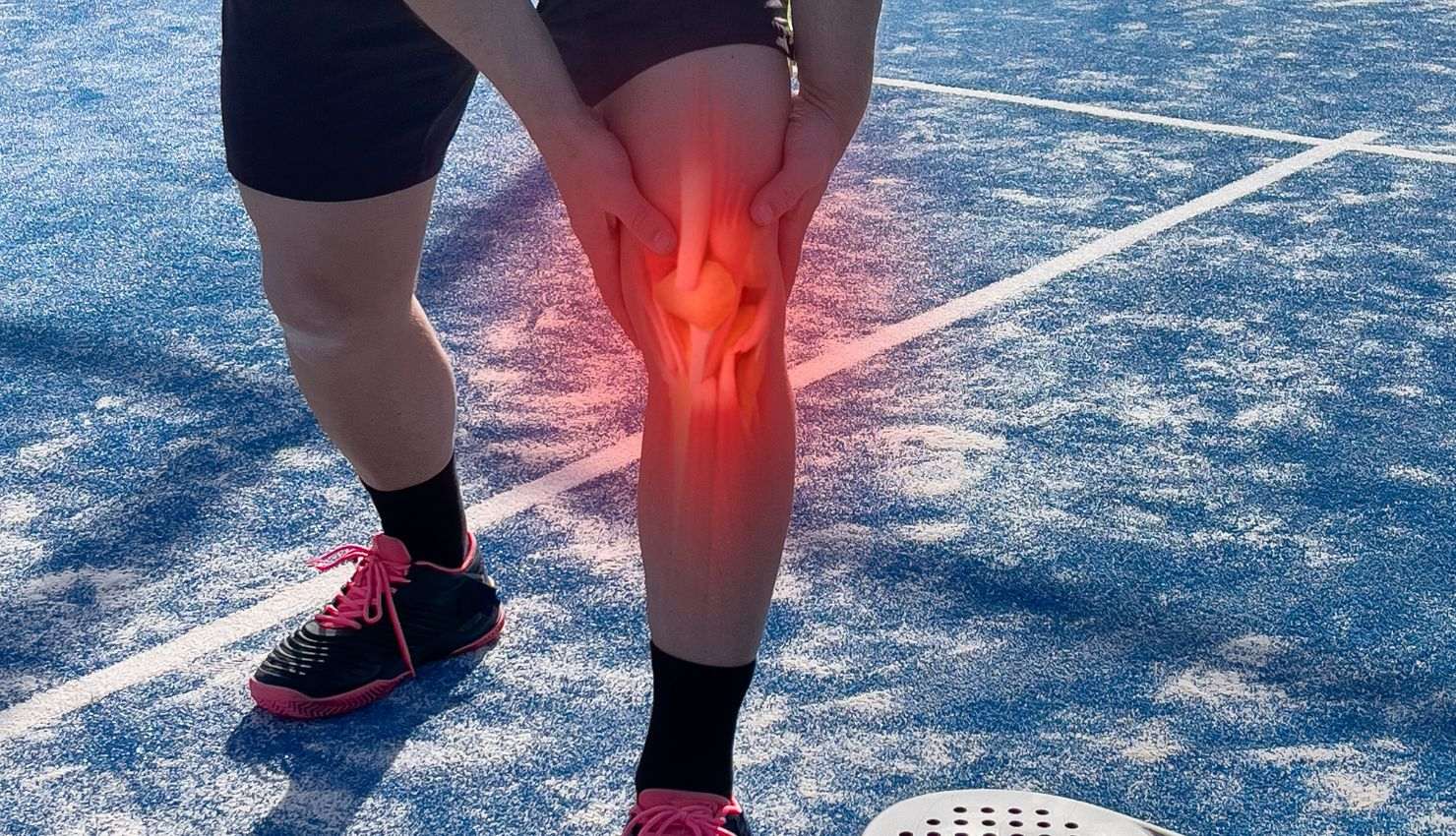
Living with chronic pain can be challenging, as it can affect your ability to perform daily activities, limit mobility, and impact your overall quality of life. Whether it’s caused by a musculoskeletal injury, arthritis, or a neurological condition, pain and reduced mobility can be managed effectively with the help of physiotherapy. Physiotherapists are experts in movement and rehabilitation, using a range of techniques to address pain, restore mobility, and prevent future injuries. Heres how physiotherapy can help you live pain-free and regain your mobility:
### **1. Personalized Assessment and Diagnosis**
One of the first steps in physiotherapy is a comprehensive assessment, where a physiotherapist will examine your physical condition, identify the cause of pain or restricted movement, and understand how it affects your daily life. This helps develop a personalized treatment plan tailored to your specific needs.
#### **What the Assessment Includes:**
* **Pain History**: Understanding the onset, location, and intensity of pain to identify its root cause.
* **Postural and Movement Evaluation**: Analyzing your posture, gait (walking pattern), and movements to identify imbalances or faulty movement patterns.
* **Strength and Flexibility Testing**: Assessing muscle strength, joint flexibility, and range of motion (ROM) to determine limitations caused by pain or stiffness.
This thorough assessment is critical for creating an effective treatment plan to help manage pain and improve mobility.
—
### **2. Pain Management Techniques**
Pain management is one of the core components of physiotherapy. Physiotherapists use various techniques to reduce pain and inflammation, allowing patients to move more freely and participate in rehabilitation exercises.
#### **Techniques Used for Pain Relief:**
* **Ice Therapy (Cryotherapy)**: Ice is applied to reduce swelling and numb pain, especially in the early stages of injury or inflammation.
* **Heat Therapy**: Heat helps relax muscles, improve blood circulation, and alleviate stiffness, especially in chronic pain conditions.
* **Transcutaneous Electrical Nerve Stimulation (TENS)**: TENS uses electrical impulses to block pain signals, stimulate endorphin release, and reduce pain perception.
* **Ultrasound Therapy**: High-frequency sound waves are used to promote deep tissue healing, improve circulation, and reduce inflammation in muscles and joints.
* **Massage Therapy**: Soft tissue massage helps reduce muscle tension, improve circulation, and alleviate pain, particularly in tight muscles or overworked areas.
These techniques help manage pain effectively, allowing you to progress through rehabilitation with less discomfort.
—
### **3. Restoring Range of Motion (ROM) and Flexibility**
Loss of mobility and joint stiffness are common consequences of chronic pain or injury. Physiotherapy focuses on improving the range of motion and flexibility of affected joints, muscles, and soft tissues to restore normal movement patterns.
#### **How Physiotherapy Improves ROM and Flexibility:**
* **Gentle Stretching Exercises**: Stretching helps to lengthen muscles and improve flexibility, which reduces stiffness and increases joint mobility.
* **Active and Passive Range of Motion Exercises**: These exercises help move the affected joint through its full range of motion, either actively (with your own effort) or passively (with the help of the physiotherapist).
* **Joint Mobilization**: Manual therapy techniques, such as joint mobilizations, are used to improve the movement of stiff joints and reduce pain.
* **Myofascial Release**: A technique that targets the fascia (connective tissue around muscles) to release tightness and improve mobility in the affected areas.
Improved flexibility and ROM not only reduce pain but also make daily activities easier and more comfortable.
—
### **4. Strengthening Muscles for Joint Support**
Muscle weakness or imbalances can exacerbate pain and limit mobility, particularly around weight-bearing joints like the knees, hips, and spine. Physiotherapists design strengthening exercises to target weak muscles and improve overall muscle function.
#### **How Strengthening Exercises Help:**
* **Muscle Activation**: Strengthening the muscles around affected joints provides better support, reducing strain on the joint and decreasing pain.
* **Improved Stability**: Stronger muscles help stabilize the joints, reducing the risk of instability, falls, and re-injury.
* **Preventing Muscle Atrophy**: After an injury or surgery, muscles may weaken or shrink due to disuse. Physiotherapy prevents muscle atrophy by gradually rebuilding strength.
* **Reducing Strain on the Joint**: Strong muscles absorb shock and load during movement, reducing the amount of pressure placed on the joint itself.
#### **Examples of Strengthening Exercises:**
* **Isometric Exercises**: These involve contracting muscles without moving the joint, which is ideal for early-stage rehabilitation when movement is limited.
* **Resistance Training**: Using resistance bands, weights, or machines, physiotherapists guide you through exercises that progressively strengthen the muscles supporting your affected joints.
* **Core Strengthening**: Exercises targeting the abdominals and lower back muscles improve spinal stability and alleviate pain in the back and hips.
—
### **5. Improving Posture and Body Mechanics**
Poor posture and improper body mechanics often contribute to or exacerbate pain, especially in the back, neck, and hips. Physiotherapists teach proper posture and movement techniques to reduce strain on muscles and joints.
#### **How Posture Training Helps:**
* **Spinal Alignment**: Correct posture helps align the spine, reducing pressure on the vertebrae and intervertebral discs, which can alleviate back pain and prevent further injury.
* **Ergonomics**: Physiotherapists provide advice on how to set up workstations, sleep positions, and daily activity techniques to reduce strain on the body.
* **Movement Techniques**: Teaching patients how to lift, bend, or twist properly prevents unnecessary stress on the joints, muscles, and ligaments.
Proper body mechanics promote efficient movement, reduce pain, and protect the body from additional strain and injury.
—
### **6. Balance and Proprioception Training**
Proprioception refers to the bodys ability to sense its position and movement in space. After an injury, proprioception can be impaired, leading to instability and an increased risk of falls. Physiotherapists use balance and coordination exercises to improve proprioception and help restore stability.
#### **How Balance Training Helps:**
* **Improves Stability**: Balance exercises strengthen the muscles that stabilize the joints, helping to prevent falls and improve confidence in movement.
* **Reduces the Risk of Re-injury**: By improving proprioception, balance training helps you regain control over joint movement, preventing further injury.
* **Re-establishes Coordination**: Proprioceptive exercises challenge your bodys coordination, improving the efficiency and safety of your movements.
#### **Examples of Balance and Proprioception Exercises:**
* **Standing on One Leg**: This simple exercise challenges the balance and strengthens the stabilizing muscles around the ankle, knee, and hip.
* **Balance Board or BOSU Ball**: These tools provide an unstable surface, further enhancing coordination and balance.
* **Walking Heel-to-Toe**: Walking in a straight line with the heel of one foot directly in front of the toes of the other foot challenges balance and proprioception.
—
### **7. Injury Prevention and Education**
Physiotherapists dont just help manage painthey also play a crucial role in preventing future injuries by educating patients on how to avoid re-injury and maintain long-term mobility.
#### **How Education Helps:**
* **Injury Prevention**: Physiotherapists teach strategies to avoid overuse, improper movements, and activities that could strain the affected area, thereby reducing the risk of future injuries.
* **Lifestyle Changes**: They provide guidance on making lifestyle changes such as incorporating regular physical activity, maintaining a healthy weight, and improving flexibility to keep joints healthy.
* **Pacing Activities**: Patients are taught how to pace themselves during daily activities, gradually increasing activity levels as strength and mobility improve.
By providing education on injury prevention, physiotherapists help you stay active, healthy, and pain-free for the long term.
—
### **8. Psychological Support**
Chronic pain can take a mental toll, leading to frustration, anxiety, and depression. Physiotherapists provide psychological support by setting achievable goals, offering motivation, and helping you stay positive throughout the recovery process.
#### **How Physiotherapy Helps Psychologically:**
* **Goal Setting**: Physiotherapists work with patients to set realistic, small goals, which gives them a sense of progress and accomplishment.
* **Encouragement**: Consistent support and encouragement from a physiotherapist help patients remain committed to their rehabilitation program.
* **Coping Strategies**: Physiotherapists teach relaxation techniques, mindfulness, and stress management strategies that can help you deal with the emotional side of living with pain.
—
### **Conclusion**
Physiotherapy is an effective, holistic approach to pain management and mobility recovery. By addressing the root causes of pain, improving strength, flexibility, posture, balance, and providing education on injury prevention, physiotherapists help you regain function and move toward a pain-free life. Whether youre dealing with acute pain from an injury, chronic pain from a medical condition, or simply want to maintain long-term mobility, physiotherapy offers the tools and expertise to enhance your quality of life and help you live more comfortably.