Running is an excellent form of exercise that offers numerous health benefits, but it can also take a toll on the body, leading to a variety of injuries and pain. Whether it’s due to overuse, poor form, improper footwear, or an accident, runners are particularly susceptible to injuries in areas like the knees, hips, shins, …

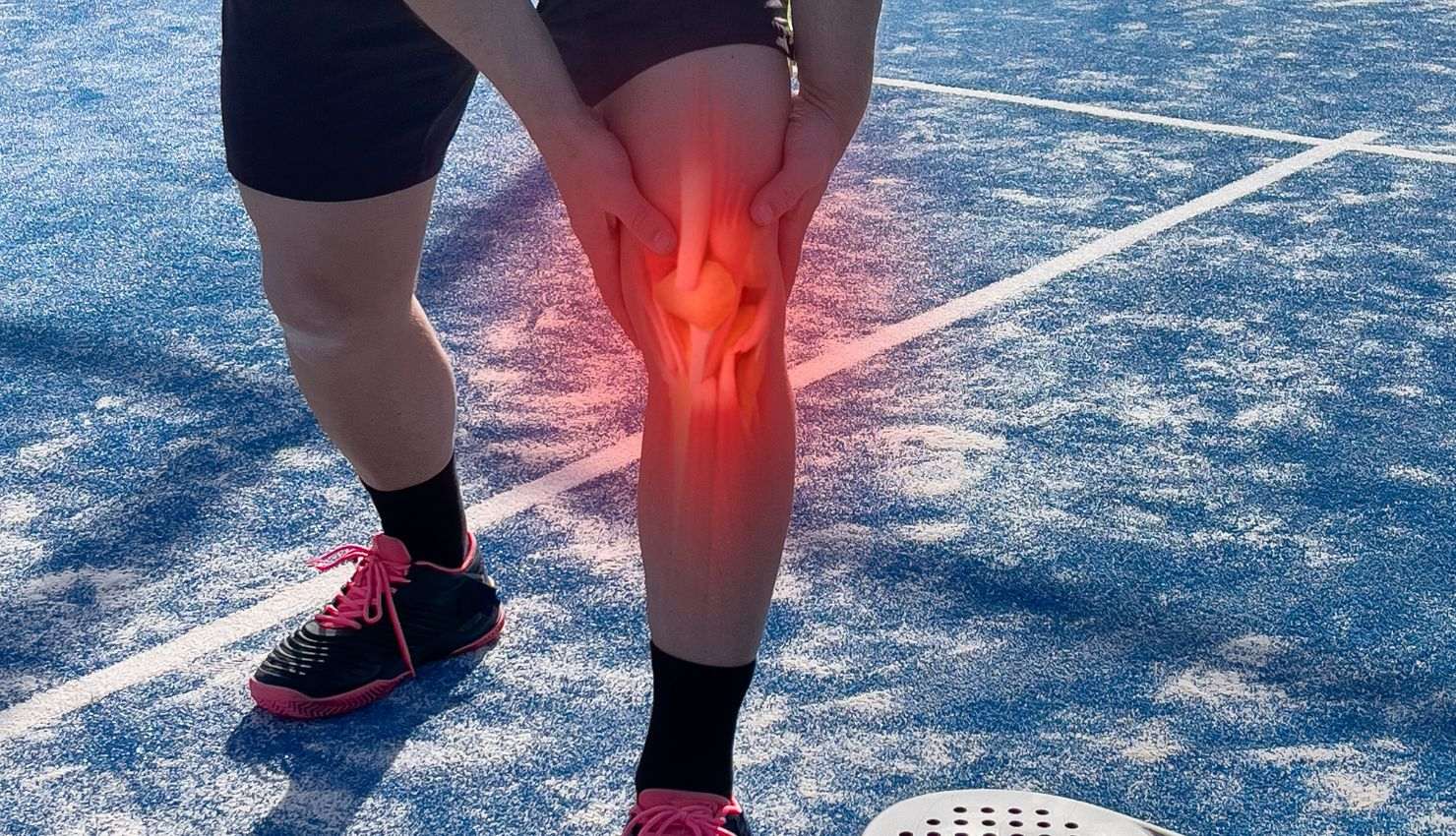
Running is an excellent form of exercise that offers numerous health benefits, but it can also take a toll on the body, leading to a variety of injuries and pain. Whether it’s due to overuse, poor form, improper footwear, or an accident, runners are particularly susceptible to injuries in areas like the knees, hips, shins, feet, and lower back. Physiotherapy is a key component in managing pain, preventing injuries, and optimizing performance for runners.
Heres how physiotherapy helps manage pain in runners:
### **1. Comprehensive Assessment and Diagnosis**
The first step in managing pain with physiotherapy is an in-depth assessment. Physiotherapists perform a thorough evaluation to identify the underlying causes of pain, whether its related to an injury, muscle imbalance, or movement dysfunction.
#### **What Happens During the Assessment:**
* **Medical History**: The physiotherapist will ask about the onset, location, and intensity of the pain, as well as any previous injuries or conditions that might be contributing to the issue.
* **Biomechanical Analysis**: The physiotherapist will assess your running form and movement patterns to identify any faulty biomechanics that could be contributing to the pain. They may observe your posture, stride, and foot strike to pinpoint areas of dysfunction.
* **Physical Examination**: The physiotherapist will evaluate your flexibility, strength, joint mobility, and muscle condition to identify any imbalances or weaknesses that may be contributing to pain or discomfort.
After the assessment, the physiotherapist will create a personalized treatment plan to address the specific causes of your pain and optimize your running form.
—
### **2. Pain Relief and Inflammation Reduction**
In the early stages of injury, reducing pain and inflammation is key to promoting healing. Physiotherapists use various modalities to control pain and inflammation, allowing you to return to running sooner and more safely.
#### **How Physiotherapists Manage Pain and Inflammation:**
* **Cold Therapy (Cryotherapy)**: Ice is commonly used to reduce swelling and numb the area of pain, particularly after a recent injury or flare-up of chronic conditions like tendinitis or shin splints.
* **Heat Therapy**: After the acute phase, heat therapy is used to relax tight muscles, improve circulation, and relieve stiffness. Heat can be beneficial for chronic muscle pain or tightness after running.
* **TENS (Transcutaneous Electrical Nerve Stimulation)**: TENS units use electrical impulses to block pain signals and stimulate the release of endorphins, providing effective pain relief.
* **Ultrasound Therapy**: Therapeutic ultrasound uses sound waves to penetrate deep into tissues, improving circulation, reducing swelling, and promoting tissue repair in the affected area.
These pain-relieving techniques help reduce discomfort, promote recovery, and create a more comfortable environment for rehabilitation and return to running.
—
### **3. Restoring Mobility and Flexibility**
Tight or restricted muscles, tendons, and joints are common in runners and can cause pain or injury. Physiotherapists focus on restoring flexibility and joint mobility to alleviate pain and improve overall movement.
#### **How Physiotherapy Restores Flexibility and Mobility:**
* **Stretching Exercises**: Physiotherapists guide runners through targeted stretching routines to improve flexibility in the hamstrings, calves, hip flexors, and other muscles commonly tight in runners.
* **Joint Mobilization**: If pain is caused by stiffness in the joints, such as the knees, hips, or lower back, physiotherapists use joint mobilizations to restore mobility and reduce discomfort.
* **Foam Rolling and Myofascial Release**: These techniques target tight spots in the muscles and fascia (connective tissue), reducing tension and improving muscle length.
Restoring flexibility and mobility helps relieve pain caused by muscle tightness or joint stiffness, allowing for smoother and pain-free running.
—
### **4. Strengthening Weak Muscles and Correcting Imbalances**
Weakness and muscle imbalances are common issues in runners, often contributing to injuries like runners knee, shin splints, and IT band syndrome. Physiotherapists design strengthening exercises to address these imbalances and improve muscle function.
#### **How Strengthening Exercises Help Manage Pain:**
* **Core Strengthening**: A strong core is essential for maintaining good posture and reducing strain on the lower back and hips. Physiotherapists incorporate exercises to strengthen the abdominals, lower back, and pelvis, which provide better overall stability during running.
* **Lower Body Strengthening**: Strengthening the quadriceps, hamstrings, calves, and glutes helps stabilize the knees and hips, reducing the risk of overuse injuries like tendinitis or IT band syndrome. For example, strengthening the hip abductors can reduce the risk of runners knee.
* **Targeted Exercises for Weak Points**: Physiotherapists focus on strengthening the specific muscles that may be weak or underactive, helping to balance the forces acting on the joints and reduce strain on the muscles during running.
Strengthening exercises target weak muscles and restore balance, helping to reduce pain and prevent future injuries.
—
### **5. Improving Running Technique and Biomechanics**
Poor running form and biomechanics can lead to pain and injuries. Physiotherapists analyze your running technique and make recommendations to optimize your form, which can help reduce the risk of injury and improve performance.
#### **How Physiotherapists Optimize Running Technique:**
* **Postural Correction**: Poor posture during running, such as leaning too far forward or arching the back excessively, can lead to pain. Physiotherapists correct posture and teach you how to maintain proper alignment while running to reduce strain on the muscles and joints.
* **Foot Strike and Stride Analysis**: Physiotherapists evaluate your foot strike and stride mechanics, checking for overpronation, underpronation, or other abnormal patterns that could lead to pain in the feet, knees, or hips. They may recommend changes to your footwear or suggest drills to improve your running mechanics.
* **Cadence and Step Rate**: Physiotherapists help adjust your cadence (steps per minute) to prevent overstriding, which can lead to knee pain and other injuries. They may also introduce drills to improve your running efficiency and reduce impact forces on the body.
Optimizing running form and biomechanics helps reduce the risk of injuries caused by faulty movement patterns, providing pain relief and improving running efficiency.
—
### **6. Injury Prevention Strategies**
Preventing future injuries is a critical component of pain management in runners. Physiotherapists educate runners on how to modify their training, incorporate rest, and prevent overuse injuries.
#### **How Physiotherapists Prevent Future Injuries:**
* **Training Load Management**: Physiotherapists provide guidance on how to gradually increase running intensity and distance, ensuring that you dont overload your body too quickly. They may recommend a balanced training program that includes cross-training, strength training, and rest days to allow for proper recovery.
* **Footwear Assessment**: Wearing the right shoes for your foot type and running style is crucial in preventing injuries. Physiotherapists can assess your gait and recommend appropriate footwear or custom orthotics to improve comfort and support.
* **Warm-Up and Cool-Down**: Physiotherapists stress the importance of warming up before running and cooling down afterward. They provide specific warm-up exercises to prepare the muscles and joints for running and cool-down exercises to prevent stiffness and reduce muscle soreness.
* **Regular Stretching and Foam Rolling**: Incorporating regular stretching and foam rolling into your routine helps maintain muscle flexibility and reduce the risk of muscle tightness, strains, or spasms.
By addressing training habits and providing injury prevention strategies, physiotherapy helps ensure that runners can continue to perform at their best without experiencing pain or injury.
—
### **7. Rehabilitation for Running Injuries**
If youre already dealing with a running injury, physiotherapy plays a critical role in rehabilitation. Physiotherapists guide you through a structured recovery process that includes pain management, muscle rehabilitation, and gradual return-to-running plans.
#### **How Physiotherapy Aids in Injury Rehabilitation:**
* **Gradual Progression**: Physiotherapists create a step-by-step rehabilitation plan to help you recover from your injury while preventing reinjury. They monitor your progress and adjust your treatment plan as needed, gradually increasing your activity level.
* **Soft Tissue Healing**: Physiotherapists use manual therapy, dry needling, ultrasound, and other modalities to promote healing of the injured tissues and reduce pain and inflammation.
* **Return to Running**: Once youve recovered sufficiently, physiotherapists guide you through a gradual return-to-running program. This program is designed to safely reintegrate running into your routine while ensuring that you dont push your body too hard too soon.
Rehabilitation in physiotherapy ensures a full recovery from injuries, allowing you to return to running safely without re-aggravating the injury.
—
### **8. Psychological Support and Motivation**
In addition to the physical aspects, pain from running injuries can also affect your mental health. Physiotherapists provide psychological support by offering motivation, encouragement, and strategies for managing the frustration that can come with injury recovery.
#### **How Physiotherapy Supports Mental Well-Being:**
* **Goal Setting**: Physiotherapists help set realistic rehabilitation goals, providing milestones to track your progress and keep you motivated.
* **Encouragement and Support**: Recovering from a running injury can be mentally challenging. Physiotherapists offer emotional support and reassurance to help you stay positive and focused on your recovery journey.
* **Stress Relief**: Physiotherapists may also teach relaxation techniques to help manage stress, reduce tension, and improve recovery.
The mental and emotional support provided by physiotherapists helps runners stay motivated, focused, and confident in their recovery.
—
### **Conclusion**
Physiotherapy offers comprehensive and effective pain management strategies for runners. Through a combination of pain relief techniques, strengthening exercises, biomechanical correction, injury prevention strategies, and psychological support, physiotherapists help runners manage and recover from pain. Whether you’re dealing with an existing injury or looking to prevent future issues, physiotherapy can enhance your running experience, improve performance, and reduce the risk of pain or injury. If you’re a runner experiencing pain, consulting a physiotherapist can help you get back on track and continue enjoying your runs pain-free.