Recovering from surgery can be challenging, and managing pain effectively during the post-operative period is essential for healing, rehabilitation, and returning to normal daily activities. Physiotherapy plays a crucial role in post-surgery recovery, providing a comprehensive approach that not only alleviates pain but also helps restore mobility, strength, and function.

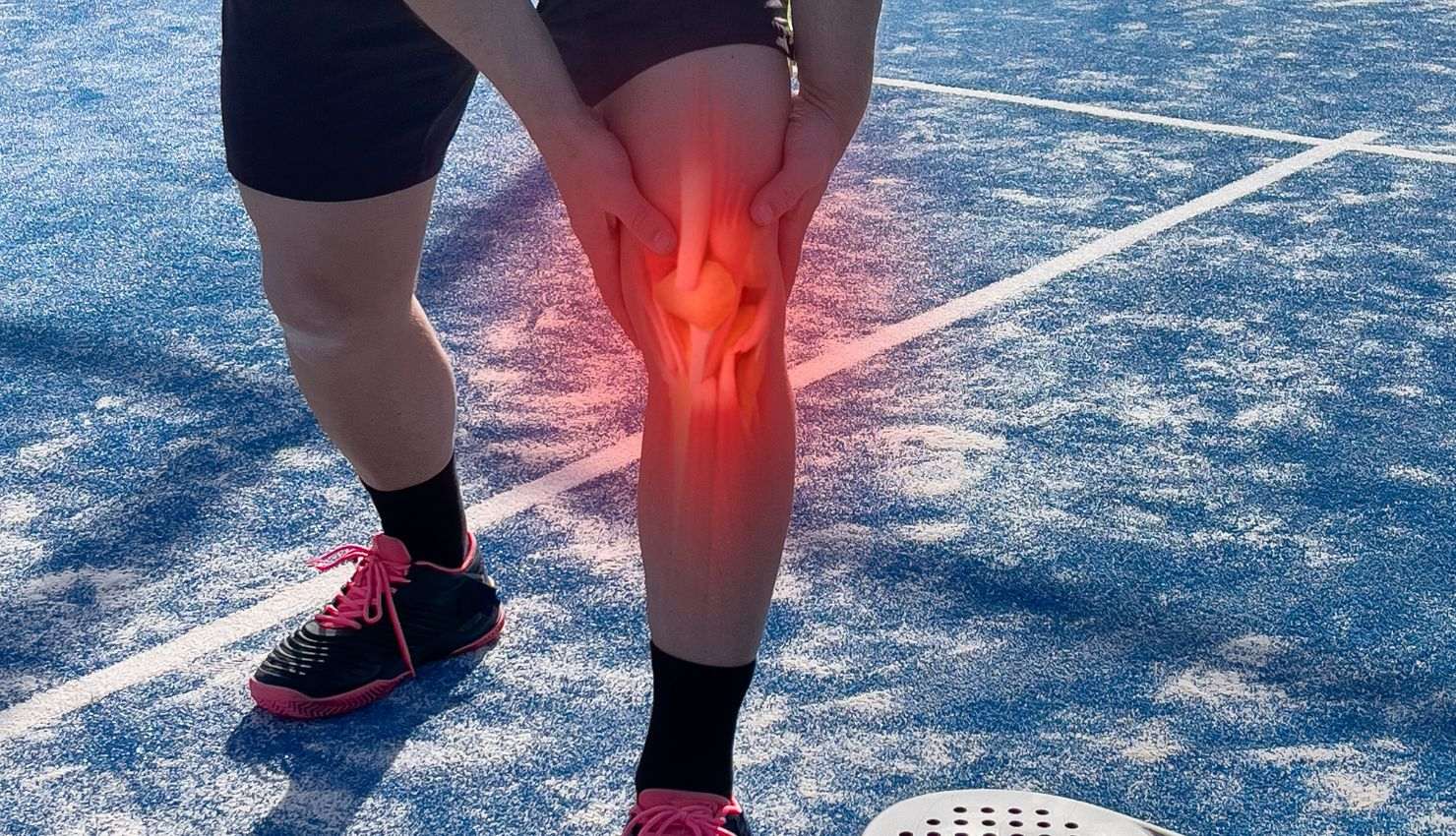
Recovering from surgery can be challenging, and managing pain effectively during the post-operative period is essential for healing, rehabilitation, and returning to normal daily activities. Physiotherapy plays a crucial role in post-surgery recovery, providing a comprehensive approach that not only alleviates pain but also helps restore mobility, strength, and function.
Here are several pain relief strategies that physiotherapists use to help with post-surgery recovery:
### **1. Early Mobilization and Gentle Movement**
One of the most important aspects of post-surgery recovery is preventing stiffness and maintaining joint mobility. Physiotherapists encourage early, gentle movement to promote blood circulation and reduce the risk of complications like blood clots, muscle atrophy, and joint contractures.
#### **How it Helps:**
* **Reduces Stiffness**: Early mobilization helps to keep the joints and muscles moving, preventing stiffness and encouraging healing.
* **Promotes Circulation**: Gentle movements increase blood flow to the affected area, which is vital for healing and reducing swelling.
* **Prevents Muscle Weakness**: Immobility can lead to muscle atrophy. Regular, controlled movement helps preserve muscle function.
#### **Example Techniques:**
* **Passive Range of Motion (ROM) Exercises**: For patients who are unable to move their limbs actively, a physiotherapist may gently move the limb for them to maintain joint flexibility.
* **Gentle Stretching**: Starting with light stretches can help maintain flexibility and prevent stiffness in the muscles and joints.
### **2. Pain Management Modalities**
Physiotherapists utilize various non-invasive techniques to manage post-surgery pain. These modalities aim to reduce inflammation, ease muscle tension, and provide immediate relief.
#### **Common Modalities Used:**
* **Ice Therapy (Cryotherapy)**: Ice is often used in the first 48-72 hours post-surgery to reduce inflammation and numb the area. Applying ice helps reduce swelling and controls pain during the initial recovery phase.
* **Heat Therapy**: After the acute phase, heat therapy is used to relax tight muscles, improve circulation, and alleviate pain.
* **Transcutaneous Electrical Nerve Stimulation (TENS)**: TENS involves applying electrical impulses to the skin to block pain signals and stimulate the bodys natural pain-relieving endorphins.
* **Ultrasound Therapy**: Therapeutic ultrasound uses sound waves to increase blood flow and reduce swelling, helping promote healing in soft tissues.
### **3. Manual Therapy**
Manual therapy involves hands-on techniques used by physiotherapists to manipulate muscles and joints, which helps reduce pain, improve mobility, and speed up the recovery process.
#### **Techniques Included:**
* **Soft Tissue Massage**: Massage techniques help reduce muscle tension, increase circulation, and promote relaxation. It can be particularly effective for alleviating pain associated with muscle tightness and post-surgical scarring.
* **Joint Mobilization**: Gentle joint mobilizations may be performed to improve the range of motion in the affected joints and reduce stiffness after surgery.
* **Myofascial Release**: This technique focuses on releasing tightness in the fascia (the connective tissue surrounding muscles), which can be particularly beneficial for relieving post-surgical muscle tension.
### **4. Strengthening and Stabilizing Exercises**
After surgery, it’s important to regain strength and stability in the affected area. Physiotherapists design specific strengthening exercises that help rebuild muscle function, improve endurance, and support the joint, which is often weakened during surgery or periods of immobilization.
#### **How it Helps:**
* **Prevents Muscle Atrophy**: Strengthening exercises help rebuild muscle mass that may have been lost during the surgery or immobility period.
* **Restores Function**: Strengthening the muscles surrounding the surgical site helps restore normal function, enabling patients to return to daily activities.
* **Supports Joints**: Building muscle strength provides greater stability and reduces the risk of reinjury or complications.
#### **Examples of Exercises:**
* **Isometric Exercises**: These involve contracting muscles without moving the joint. They can be done early in recovery to maintain muscle strength without straining the surgical site.
* **Resistance Training**: As recovery progresses, resistance exercises (using resistance bands or light weights) can be introduced to build muscle strength and stability.
* **Functional Movement Exercises**: These exercises mimic real-life movements and help improve coordination and muscle activation, which is crucial for returning to normal activities.
### **5. Postural Training**
Post-surgery pain can sometimes be exacerbated by poor posture, especially if the patient is compensating for weakness or limited movement in the surgical area. Physiotherapists provide postural training to promote proper body alignment and reduce strain on the body.
#### **How it Helps:**
* **Reduces Strain on the Surgical Site**: Proper posture helps prevent overloading the muscles and joints that are recovering from surgery, which can lead to pain and discomfort.
* **Improves Movement Efficiency**: Correcting posture improves the efficiency of movement and can help prevent compensatory behaviors that might lead to muscle or joint pain elsewhere in the body.
#### **Examples of Postural Training:**
* **Ergonomic Advice**: Physiotherapists provide advice on how to sit, stand, and sleep in positions that reduce stress on the surgical site.
* **Body Mechanics Education**: Teaching the patient how to lift, bend, and move properly to avoid placing undue stress on the body during the healing process.
### **6. Stretching and Flexibility Exercises**
After surgery, scar tissue can form around the surgical site, leading to tightness and reduced flexibility. Stretching exercises are essential to maintain or improve flexibility and avoid stiffness, which can hinder mobility and contribute to pain.
#### **How it Helps:**
* **Improves Mobility**: Stretching helps increase joint and muscle flexibility, which can improve range of motion and prevent stiffness.
* **Alleviates Tightness**: Stretching the surrounding muscles helps reduce muscle tightness, which is common after surgery.
#### **Examples of Stretching:**
* **Gentle ROM Stretches**: These involve slowly and gently moving the joint through its full range of motion to maintain flexibility.
* **Muscle-Lengthening Stretches**: Gradually increasing the length of muscles that have become shortened during surgery or immobility can reduce discomfort and improve mobility.
### **7. Education on Activity Modification**
In the early stages of recovery, its important to modify daily activities to prevent re-injury or exacerbation of pain. Physiotherapists educate patients on how to adjust their activities to promote healing while preventing strain.
#### **How it Helps:**
* **Prevents Overexertion**: Educating patients on when and how to rest is crucial in preventing overexertion and pain flare-ups.
* **Increases Adherence to Recovery**: By offering guidelines on how to approach daily activities (e.g., walking, bending, lifting), physiotherapists help patients stay active without putting undue strain on their recovery.
#### **Examples of Activity Modifications:**
* **Gradual Return to Activity**: Patients are guided through a safe return to normal daily activities, such as light walking or housework, with clear progressions to avoid overwhelming the body.
* **Avoiding Repetitive Movements**: Patients are advised to limit repetitive movements or positions that may strain the healing area, such as repetitive lifting or standing for long periods.
### **8. Psychological Support**
Chronic pain after surgery can also take a psychological toll, leading to frustration, anxiety, or even depression. Physiotherapists are trained to provide psychological support or refer patients to mental health professionals if needed.
#### **How it Helps:**
* **Encourages Positive Mindset**: Physiotherapists can help maintain a positive mindset by setting realistic goals, offering encouragement, and celebrating progress.
* **Pain Management Techniques**: They may also teach techniques like mindfulness, deep breathing, or relaxation exercises that help reduce stress and improve coping with pain.
### **9. Ongoing Monitoring and Adjustments**
As the patient progresses through recovery, its important to adjust the treatment plan to reflect changes in pain levels, mobility, and strength. Regular follow-ups with a physiotherapist allow for continuous monitoring and modification of the rehabilitation plan.
#### **How it Helps:**
* **Tailored Progression**: As healing progresses, the physiotherapist can gradually increase the intensity of exercises and activities, ensuring the recovery process continues effectively.
* **Prevents Relapse**: By continuously adjusting the treatment plan, physiotherapists can help prevent setbacks and ensure that progress is maintained.
### **Conclusion**
Physiotherapy is an integral part of post-surgery recovery, offering effective pain relief strategies and promoting long-term healing. Through a combination of manual therapy, exercise, postural correction, education, and psychological support, physiotherapists help reduce pain, improve function, and enhance the overall recovery experience. Working closely with a physiotherapist ensures a safe, guided, and gradual return to normal activities while minimizing the risk of further injury. If you’re recovering from surgery, physiotherapy can provide the necessary support for a faster, safer, and more comfortable recovery process.