Pelvic floor dysfunction (PFD) affects countless individuals in Canada, yet it remains one of the most under-discussed health challenges in todays wellness landscape. Whether you’re dealing with leakage, pelvic pain, or weakened core support, recognizing the signs early and understanding available solutions can dramatically improve quality of life.

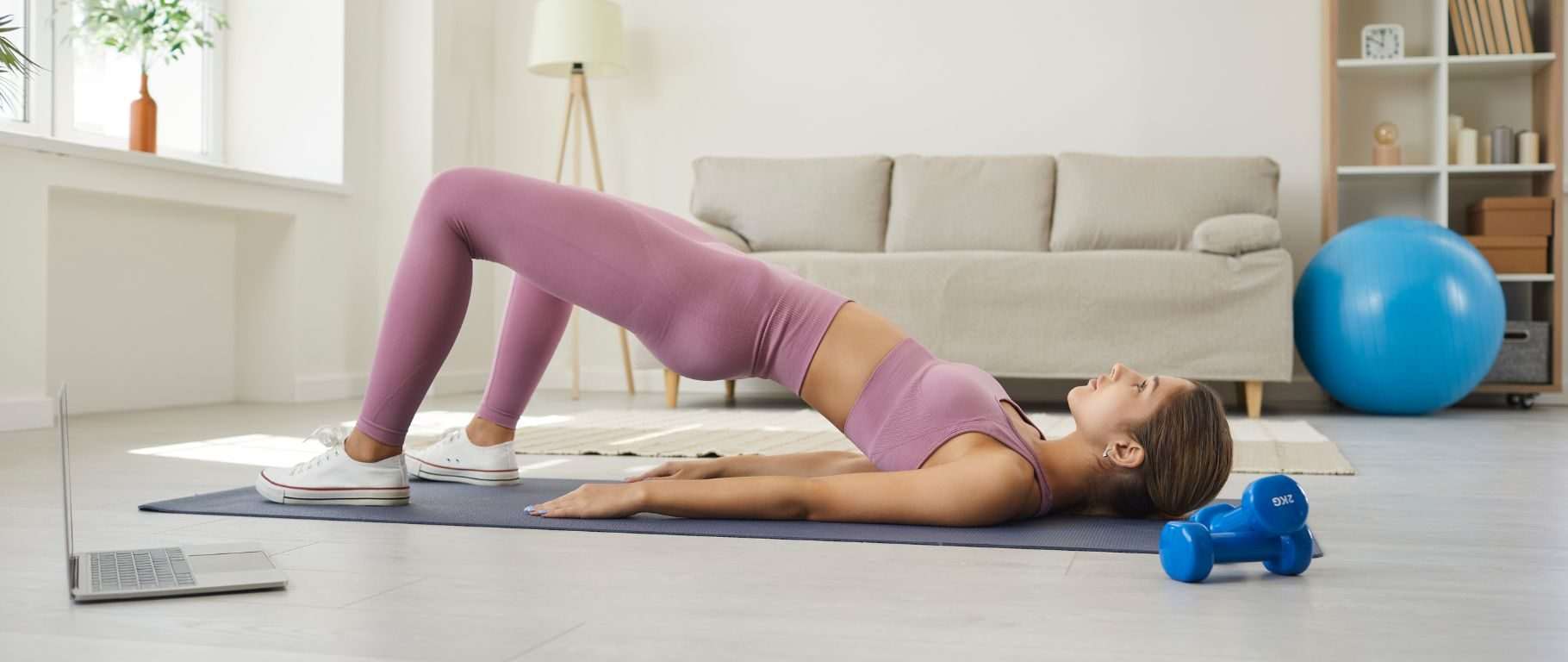
Pelvic floor dysfunction (PFD) affects countless individuals in Canada, yet it remains one of the most under-discussed health challenges in todays wellness landscape. Whether you’re dealing with leakage, pelvic pain, or weakened core support, recognizing the signs early and understanding available solutions can dramatically improve quality of life. From busy professionals to fitness enthusiasts and new moms, the effects of pelvic floor weakness can be far-reachingand manageable with the right approach.
Pelvic floor dysfunction occurs when the muscles supporting your pelvic organsbladder, uterus (for those assigned female at birth), and rectumfail to work effectively. These muscles may become too tight, too weak, or unable to coordinate, leading to symptoms like incontinence, pelvic pressure, discomfort during intimacy, and even lower back pain. Common triggers include pregnancy and childbirth, menopause, chronic constipation, pelvic surgery, and repetitive high-impact exercise.
Recognizing the Signs and Symptoms
Awareness is the first step. Pelvic floor issues can present in several ways, often subtly:
Urinary incontinence: Leaking urine when coughing, laughing, sneezing, or lifting heavy objects. Many dismiss it as normal aging, but its a key red flag pointing to pelvic floor weakness.
Fecal incontinence or urgency: Struggling with bowel control, experiencing unexpected stool leakage, or needing to rush to the restroom.
Pelvic pain or pressure: A heaviness or aching sensation in the pelvic region, sometimes accompanied by lower back or hip discomfort.
Painful intercourse or intimacy-related issues: Tight pelvic floor muscles can cause dyspareunia (painful sex) and even make penetration difficult.
Pelvic muscle spasms: Sharp or cramping sensations in the pelvic region that worsen during physical activity or when sitting.
Frequent urges: Feeling the need to urinate frequently or having difficulty fully emptying the bladder.
If youre noticing any of these signs, its worthwhile to explore furtherincluding specialized questionnaire tools and pelvic floor assessments offered by Canadian pelvic health clinics.
Whos Most at Risk?
Although PFD can affect people of any gender and age, certain groups face higher risks:
Postpartum individuals: Vaginal birth and C-section both affect pelvic support structures. Recovery often demands pelvic rehabilitation.
Perimenopausal and menopausal individuals: Hormonal shifts reduce muscle tone and tissue elasticity.
Athletes and high-impact trainers: Runners, CrossFit participants, and weightlifters often push pelvic muscles beyond their limits, especially without targeted strength work.
People with chronic constipation or obesity: Straining increases pelvic floor pressure and tension, exacerbating dysfunction.
Pathways to Healing: Evidence-Based Solutions
Fortunately, pelvic floor dysfunction is manageable through a combination of targeted interventions. Lets explore solid strategies:
1. Pelvic Floor Physiotherapy
This cornerstone treatment offers personalized strength or relaxation training. A womens health physiotherapist or pelvic floor physiotherapist can guide you through biofeedback, manual release, and neuromuscular re-education techniques. These professionals work with tools like inflatable probes or gentle manual massage to recalibrate muscle tone and coordination.
2. Home-Based Kegel and Reverse-Kegel Exercises
Building strength and flexibility can often begin at home:
Kegels: Lift and hold pelvic muscles (as if stopping urine flow). Start with gentle contractions5 seconds hold, 10 reps, twice daily. Gradually increase duration.
Reverse Kegels: Learn to consciously release and stretch, especially helpful if youre experiencing muscle tightness or pelvic pain.
Consistency and proper form are essential. Over-contracting or neglecting relaxation are common pitfallsyoull get the best results when guided by a specialist.
3. MindBody Practices and Core Integration
Approaches like Pilates, yoga, and guided breathwork gently reTrain pelvic and deep core muscles. In particular, incorporating diaphragmatic breathing, postural alignment, and pelvic floorneutral zones can boost functional performance throughout daily life.
4. Lifestyle Adjustments and Bladder/Bowel Training
Small changes can make a big difference:
Manage constipation proactivelyfocus on fiber-rich foods, hydration, and regular bowel routines.
Avoid bladder irritants ( caffeine, artificial sweeteners, spicy foods).
Schedule toilet breaks at gradually increasing intervals to train bladder capacity.
These tweaks support long-term bladder and bowel health without medications.
5. Specialized Devices and Medical Options
In some cases, pessariessmall devices inserted into the vaginacan help support prolapsed pelvic organs. When non-invasive approaches fall short, referral to a urogynecologist may lead to options like mesh support or sling procedures. Canadians have access to public healthcare and private clinics offering these solutions, with referrals typically made only after conservative therapy.
Rewriting Your Recovery Journey
Every persons story is unique, and so should be their recovery roadmap. Start with a pelvic health screening, registered physiotherapy referral, or referral to a specialized clinic. Tracking progressthrough symptom diaries or mobile appshelps monitor improvements in bladder control, pain levels, and core stability. Celebrate milestones: holding a Kegel for 10 seconds, getting past a cough without leaking, or resuming intimacy without pain.
When to Seek Immediate Help
Consult a healthcare provider if you notice:
Sudden onset of urinary or fecal incontinence
Blood in urine or stool
Pelvic mass, bulging, or severe organ prolapse
Persistent pelvic pain unresponsive to basic interventions
These could indicate more urgent concerns requiring medical tests or specialist evaluation.
Takeaway
Pelvic floor dysfunction isnt a fate you have to acceptits a condition that responds well to early recognition and tailored, evidence-based intervention. Whether you’re a new mom navigating postpartum recovery, a fitness lover tackling core routines, or simply someone craving confidence in everyday function, the path to strength, comfort, and resilience is within reach.
Invest in your pelvic health today: connect with a Canadian pelvic floor physiotherapist, commit to a guided exercise program, and make small lifestyle shifts to reinforce your progress. Reclaim stability, ease, and confidencewith sustainable results rooted in understanding, precision, and care.