The pelvic floor muscles are essential to a womans overall health, yet they often go unnoticed until symptoms of dysfunction appear. These muscles provide support to the bladder, uterus, and bowel while playing a critical role in posture, sexual health, and core stability.

The pelvic floor muscles are essential to a womans overall health, yet they often go unnoticed until symptoms of dysfunction appear. These muscles provide support to the bladder, uterus, and bowel while playing a critical role in posture, sexual health, and core stability. Strengthening the pelvic floor is not just a solution for incontinence or postpartum recoveryits a vital strategy for preventive health across all stages of life.
Understanding the Pelvic Floor and Its Role
The pelvic floor is a group of muscles and connective tissues that stretch like a hammock from the pubic bone to the tailbone. These muscles work with the diaphragm and deep abdominal and back muscles to stabilize the spine, control continence, and support pelvic organs. A weak or tight pelvic floor can lead to a range of issues, from urinary incontinence and pelvic organ prolapse to lower back pain and decreased sexual function.
Many women remain unaware of the importance of these muscles until after giving birth, going through menopause, or developing symptoms that interfere with daily life. However, proactive pelvic floor training can help prevent such outcomes and promote long-term pelvic health.
Why Women Should Prioritize Pelvic Floor Exercises
Whether youre in your twenties or your sixties, pelvic floor exercises, commonly known as Kegels, offer a non-invasive, low-effort way to strengthen muscles that influence your entire body. Regular pelvic floor strengthening supports bladder control, bowel regulation, improved intimacy, and even posture correction. For women involved in high-impact sports or heavy lifting, these exercises also serve to reduce the risk of pelvic floor injuries.
Furthermore, pelvic floor muscle training is essential during life transitions such as pregnancy, postpartum recovery, and menopause. During pregnancy, these muscles endure increased pressure. After childbirth, they may be stretched or torn. As estrogen levels decline during menopause, the muscles may weaken further, increasing the risk of pelvic floor dysfunction.
Physiotherapy for Pelvic Floor Strengthening
Pelvic floor physiotherapy plays a significant role in both prevention and rehabilitation. A pelvic health physiotherapist evaluates the condition of the pelvic floor muscles and tailors a plan to address individual needs. Many women benefit from a combination of exercises, posture training, and education on proper bladder and bowel habits.
Rather than relying solely on general Kegel recommendations, working with a physiotherapist helps ensure correct muscle engagement. Many women unknowingly perform these exercises incorrectly, potentially worsening symptoms. A physiotherapist ensures proper activation and relaxation of the muscles, which is crucial for effective treatment.
Effective Pelvic Floor Exercises Every Woman Should Know
To support pelvic wellness, women should incorporate exercises that focus on both strengthening and relaxing the pelvic floor. These include:
Basic Kegels: Contract the pelvic floor muscles (as if stopping the flow of urine) and hold for a few seconds, then release. Start with 5-second holds and gradually increase to 10 seconds.
Quick Flicks: Perform rapid contractions and releases to improve muscle responsiveness, helpful for managing urge incontinence.
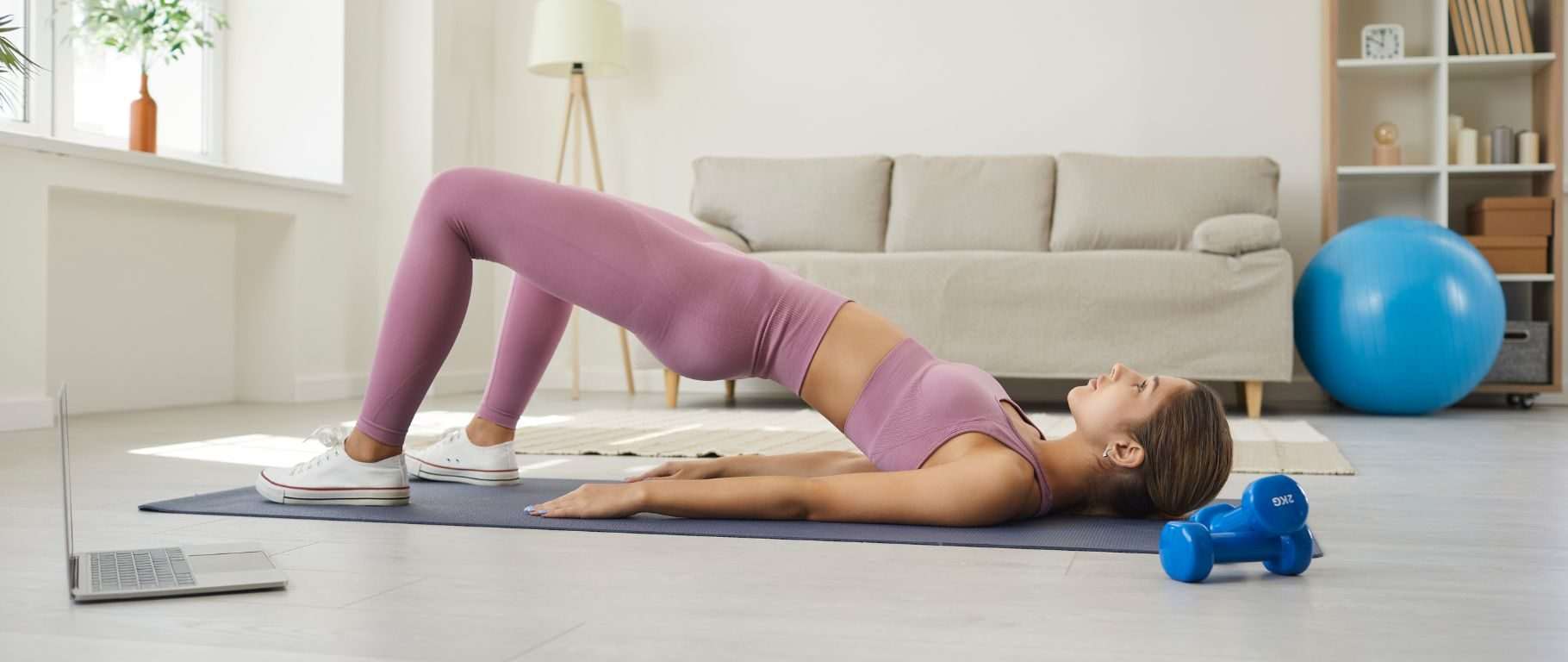
Bridge Pose: While lying on your back with knees bent, lift the hips while engaging the pelvic floor. This engages the glutes and core along with the pelvic muscles.
Squats: When done with proper form and mindful engagement of the pelvic floor, squats help strengthen the entire pelvic region.
These movements should be done consistently and with attention to breath, as proper breathing patterns enhance muscle function and reduce strain.
When to Seek Professional Help
If you experience symptoms like frequent urination, leaking urine during activity, pelvic pressure, or pain during intercourse, it may indicate pelvic floor dysfunction. Seeking guidance from a pelvic floor physiotherapist can lead to a personalized recovery plan that addresses the root cause rather than just the symptoms.
Physiotherapy doesnt just strengthen; it re-educates your body on how to move and function efficiently. This is particularly valuable for new mothers, active women, or those recovering from surgery.
The Long-Term Benefits of a Strong Pelvic Floor
Pelvic health is an investment in overall well-being. Strong, functional pelvic floor muscles support long-term mobility, reduce pain, and promote confidence. Women who incorporate pelvic floor exercises into their routine often report improvements not only in continence and intimacy but also in posture, core strength, and energy levels.
By addressing pelvic health proactively, women reduce the risk of complications later in life and improve their ability to enjoy physical activities without discomfort. It also contributes to aging gracefully and maintaining independence well into older adulthood.
Making Pelvic Floor Health a Priority
Incorporating pelvic floor exercises into your daily routine doesnt require special equipment or long sessions. Just a few minutes each day, guided by proper instruction, can make a measurable difference. Whether you’re currently symptom-free or experiencing pelvic discomfort, it’s never too early or too late to start.
In conclusion, pelvic floor exercises are a cornerstone of womens health that deserve consistent attention. Strengthening these essential muscles supports the body in more ways than one and paves the way for improved quality of life. From prevention to rehabilitation, physiotherapy offers a trusted pathway to pelvic health, empowering women to take control of their wellness.