Pelvic floor health is often overlooked until dysfunction begins to affect daily life. Yet, the pelvic floor muscles play a foundational role in supporting core stability, controlling bladder and bowel function, and enabling smooth, pain-free movement.

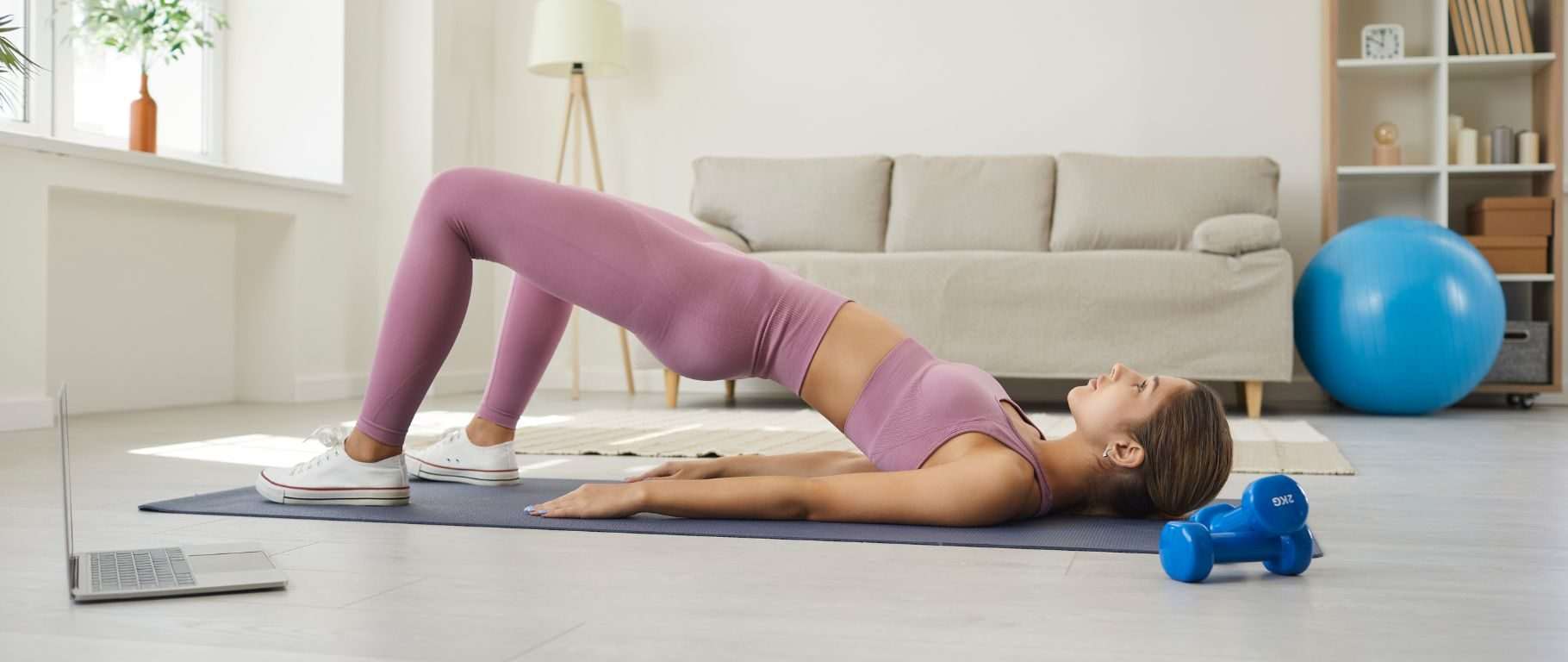
Pelvic floor health is often overlooked until dysfunction begins to affect daily life. Yet, the pelvic floor muscles play a foundational role in supporting core stability, controlling bladder and bowel function, and enabling smooth, pain-free movement. At YourFormSux (YFS), our physiotherapy services are tailored to help women in Canada improve pelvic floor health, which can positively influence posture, core engagement, balance, and physical activity.
Understanding the Pelvic Floor and Its Functions
The pelvic floor is a group of muscles and connective tissues that span the base of the pelvis. These muscles act as a supportive sling for the bladder, uterus, and rectum. When these muscles function well, they contract and relax appropriately during movement, physical exertion, and rest. When dysfunctional, they can become tight, weak, or uncoordinatedleading to pain, incontinence, or instability.
Healthy pelvic floor muscles contribute to:
Core strength and spinal stability
Controlled bladder and bowel movements
Sexual health and function
Smooth transitions in posture and body alignment
Efficient breathing and movement coordination
Why Pelvic Floor Health Matters for Movement
Everyday activities like walking, lifting, bending, or running require synchronized muscular coordination between the pelvic floor, diaphragm, abdominal muscles, and back. When pelvic floor muscles are weak or imbalanced, other parts of the body may compensate, increasing the risk of musculoskeletal pain, overuse injuries, or poor posture.
For example, chronic low back pain or hip instability often stems from weak core and pelvic floor muscles. Similarly, athletes recovering from injuries may struggle to regain full strength and motion without addressing underlying pelvic floor deficiencies.
Common Signs of Pelvic Floor Dysfunction Affecting Movement
Pelvic floor dysfunction doesn’t always present as incontinence or pelvic pain. For many women, the symptoms are more subtle but impactful:
Difficulty maintaining proper posture
Core muscle fatigue during physical activity
Instability during high-impact movements
Feeling ungrounded or imbalanced during exercise
Lower back, hip, or groin tension without a clear cause
Recognizing these early signs is essential for preventing future complications and ensuring the body moves as it should.
Physiotherapy for Enhancing Pelvic Floor Function
At YFS, pelvic health physiotherapy is a personalized process. We begin with a thorough assessment to identify muscular imbalances, breathing patterns, postural habits, and movement coordination. A custom physiotherapy plan may include:
Pelvic floor muscle retraining (both strengthening and relaxation)
Diaphragmatic breathing and core engagement strategies
Functional movement re-education (e.g., walking, lifting, squatting)
Postural alignment corrections
Techniques to reduce tension in overactive muscles
Physiotherapists use hands-on methods, guided exercises, and education to help clients regain proper pelvic floor function and improve overall mobility.
Benefits of a Healthy Pelvic Floor for Women of All Ages
Whether you’re recovering postpartum, managing menopause, or trying to stay fit and mobile as you age, pelvic floor health is critical. Women in their 30s to 70s benefit from improving this core muscle group in a number of ways:
Reduced risk of urinary leakage and urgency
Stronger core for safe lifting and bending
Improved posture and spinal alignment
Enhanced balance and mobility
Less pain during movement or exercise
Greater confidence in everyday physical tasks
By focusing on pelvic health, women can continue to enjoy active lifestyles with fewer limitations and better movement efficiency.
Preventing Future Dysfunction Through Early Care
One of the best things women can do for their pelvic health is seek care earlybefore symptoms become disruptive. Preventative physiotherapy allows women to strengthen their pelvic muscles proactively, reducing the chances of injury, organ prolapse, or chronic pain down the line.
Physiotherapists at YFS educate clients on lifestyle habits, breathing techniques, and exercises that support long-term pelvic floor health. Early intervention is especially important for athletes, new mothers, women preparing for surgery, or those going through hormonal changes.
When to Consider Pelvic Floor Physiotherapy
Consider visiting a pelvic floor physiotherapist if you experience:
Difficulty with bladder or bowel control
Pressure or heaviness in the pelvic area
Poor core engagement during workouts
Chronic back, hip, or pelvic pain
Postural imbalance or instability
Pelvic floor tightness or weakness
Physiotherapy can restore function, prevent future complications, and support a better quality of life.
Final Thoughts
Pelvic floor health is central to good movement and function. When these muscles are healthy, the body moves with greater ease, coordination, and confidence. At YourFormSux, our evidence-based pelvic health physiotherapy services empower women across Canada to move freely and feel strong in their everyday life