Pelvic floor health plays a critical role in a womans overall well-being. These deep muscles support vital organs, contribute to bladder and bowel control, and impact sexual health.

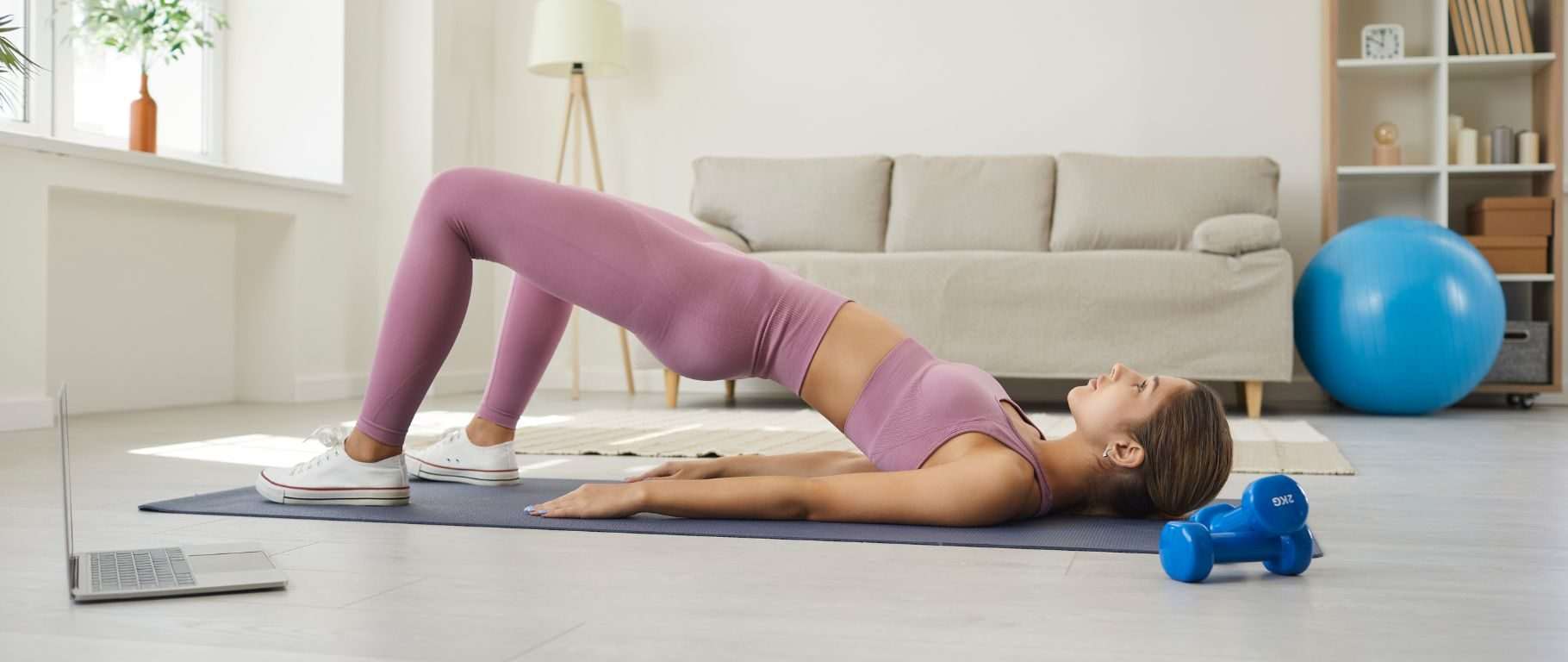
Pelvic floor health plays a critical role in a womans overall well-being. These deep muscles support vital organs, contribute to bladder and bowel control, and impact sexual health. However, their importance is often overlookeduntil dysfunction develops. Whether you’re in your twenties or in your postmenopausal years, caring for your pelvic floor can improve your comfort, confidence, and longevity.
Why Pelvic Floor Health Matters at Every Age
The pelvic floor isnt something only older women need to think about. Life transitionsfrom puberty to pregnancy, menopause to agingaffect the tone and function of these muscles. With the right strategies, you can protect and strengthen this area throughout your lifetime.
In Your 20s and 30s: Establishing a Strong Foundation
In early adulthood, many women are physically active, pursuing careers, and sometimes preparing for pregnancy. This is the ideal time to build awareness and strength in the pelvic region.
Tips for pelvic health in your 20s and 30s:
Learn proper pelvic floor engagement: Avoid over-tightening or excessive clenching. A physiotherapist can teach you how to activate and relax your pelvic muscles correctly.
Incorporate core-stabilizing exercises: Strengthen your pelvic floor alongside your deep core and glutes.
Address high-impact activities: Runners, gymnasts, and weightlifters should be aware of how excessive pressure affects pelvic integrity.
In Your 30s and 40s: Preparing for and Recovering from Pregnancy
Pregnancy and childbirth significantly impact the pelvic floor. These muscles stretch to accommodate birth, which may result in weakness or dysfunction.
Tips for pelvic health during and after pregnancy:
Start pelvic floor physiotherapy early in pregnancy: Prehab can help prepare the body for delivery.
Postpartum assessment is essential: Whether you had a vaginal or C-section birth, a pelvic health check can identify and treat any issues like prolapse, incontinence, or pain.
Focus on healing before high-intensity exercise: Dont rush into bootcamp-style workouts without checking in with your pelvic floor.
In Your 40s and 50s: Navigating Hormonal Changes
Perimenopause brings hormonal shifts that affect muscle tone, connective tissue, and moisture levels in the pelvic region. Many women first notice issues like urinary urgency, leakage, or pain during this time.
Tips for maintaining pelvic health during hormonal transitions:
Practice pelvic floor muscle training regularly: Consistency is more important than intensity.
Manage chronic stress and breathing patterns: Diaphragmatic breathing supports pelvic and abdominal coordination.
Dont normalize symptoms: If you’re leaking urine when laughing or coughing, its a sign your pelvic floor needs supportnot something you have to live with.
In Your 60s and Beyond: Supporting Longevity and Independence
As women age, maintaining pelvic floor function helps prevent falls, improve sexual wellness, and support continued independence. Weakness in the pelvic muscles can lead to prolapse, incontinence, and reduced mobility.
Tips for pelvic floor care after 60:
Balance strength with mobility: Stretching, walking, and gentle resistance training can improve circulation and muscle function.
Use breath and posture work: These tools improve pelvic alignment and reduce strain.
Seek physiotherapy for specific concerns: Bladder leaks, prolapse, or pelvic pain should always be addressed with a qualified pelvic health specialist.
A Lifelong Investment in Health
Pelvic floor health is dynamic and should evolve with your body. Physiotherapy provides not only therapeutic exercises but also valuable education and support. A personalized approach ensures that youre engaging the right muscles, avoiding harmful habits, and responding to your bodys needs with awareness and care.
Every woman deserves to feel strong, supported, and pain-free at every stage of life. With consistent pelvic floor care and professional guidance, that goal is not only possibleits achievable.